
On this day in New York · December 31, 1907
The First Ball Drops in Times Square
The city banned fireworks over the crowd, so the New York Times built a glowing iron ball instead, and a New Year's tradition was born on a flagpole.
Quotes checked against the sources July 15, 2026
The facts
- Date
- December 31, 1907, welcoming 1908
- The ball
- Iron and wood, 5 feet in diameter, 700 pounds, lit by 100 25-watt bulbs
- Built by
- Jacob Starr of Artkraft Strauss
- Where
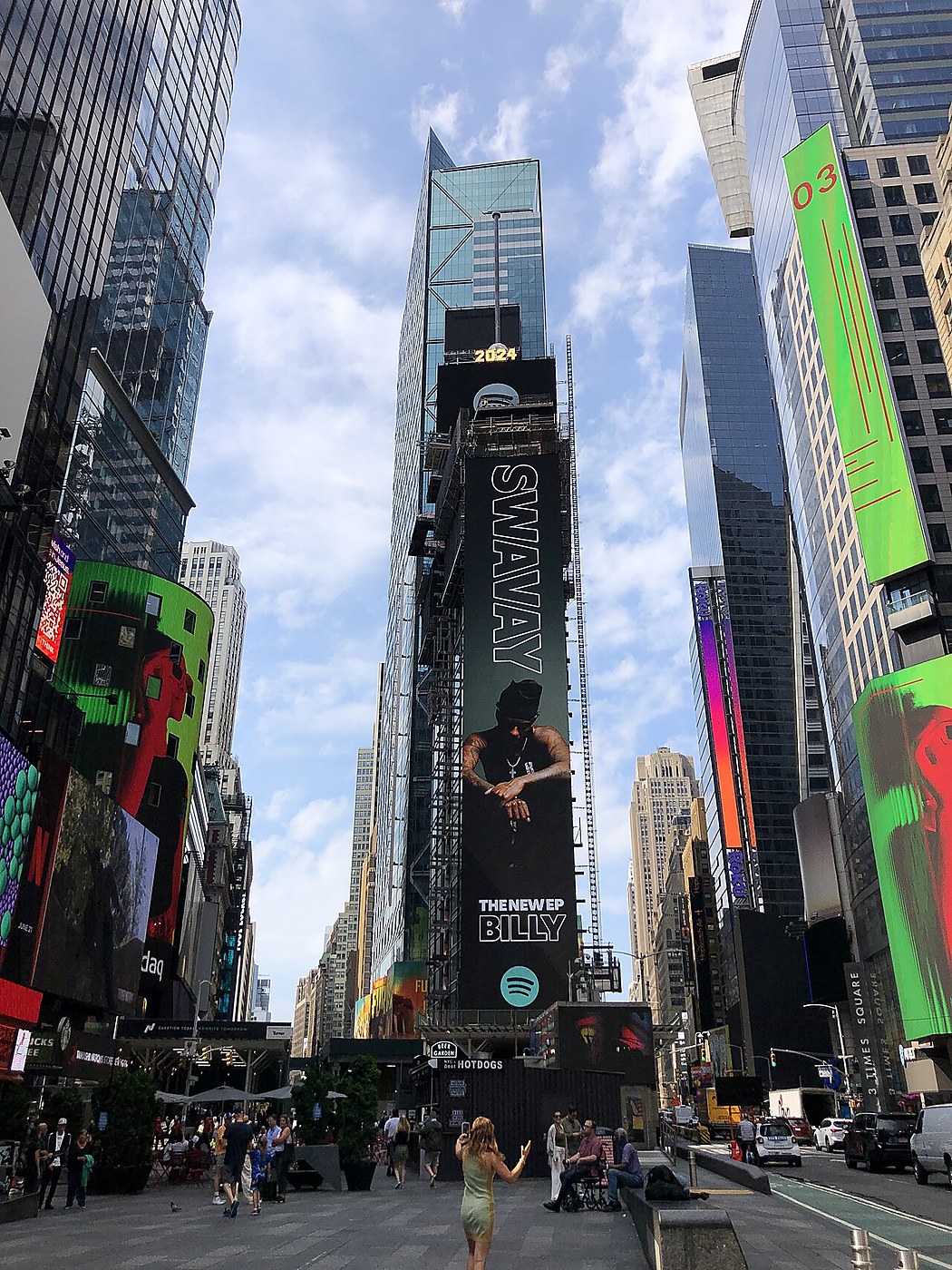
- A 70-foot flagpole atop One Times Square
For its first two New Year's Eves in the new headquarters at One Times Square, the New York Times had marked midnight with fireworks fired off the roof. When the city barred fireworks from being launched directly over the crowds packing the square, owner Adolph Ochs wanted something just as big to replace them. His chief electrician, Walter F. Palmer, had seen a time ball atop the Western Union Telegraph Building and suggested one for Times Square. Ochs hired Artkraft Strauss, the sign shop run by young immigrant metalworker Jacob Starr, to build it, and on December 31, 1907, six men hauled a 700-pound iron and wood ball up a 70-foot flagpole and let it slide down into 1908.
In their words
The day in the words of the people who were there. Every quote is verbatim, and every source links out so you can check it.
-
The first New Year's Eve Ball, made of iron and wood and adorned with one hundred 25-watt light bulbs, was 5 feet in diameter and weighed 700 pounds.
Description of the original 1907 ball
Source: Times Square Ball (official history) -
"Hurrah for 1908," the crowd cheered when the ball dropped down the pole at midnight.
The crowd in Times Square, December 31, 1907
Source: Smithsonian Magazine
Why it still matters
That first scrappy ball, lowered because the city said no more fireworks over a crowd, is why tens of millions of people still watch a glowing sphere fall over Times Square every December 31.
Sources
Get the day it happened, the day it happens.
Every morning brief ends with this day in New York history, and every day adds a page to this almanac. Free, in your inbox.
Free. One email each morning. One-click unsubscribe. Never sold.