The history
New York, in its own words.
Four centuries of this city told the honest way: through the documents, the headlines, the speeches, and the letters of the people who were actually there. 58 primary sources across seven eras, each one linked so you can check it yourself. The myths get corrected. The hard parts stay in.
Start here
The big ones, in depth.
Full primary-source articles on the events that made New York, with every quote sourced and every myth corrected. More added all the time.
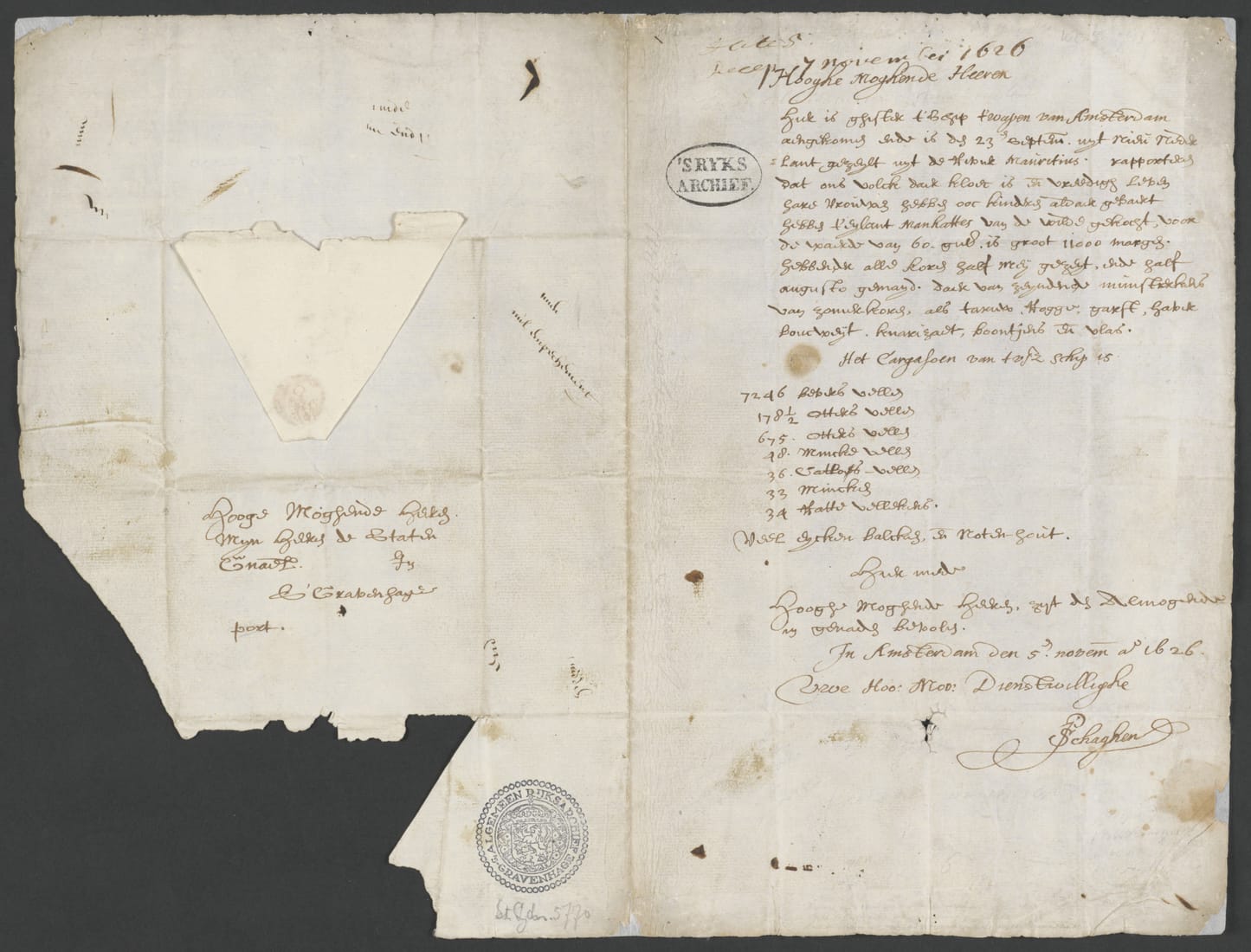
1626 The "Purchase" of Manhattan No $24. No beads. No swindle. The most famous real-estate deal in history is mostly a myth, and the one real document is a single sentence.
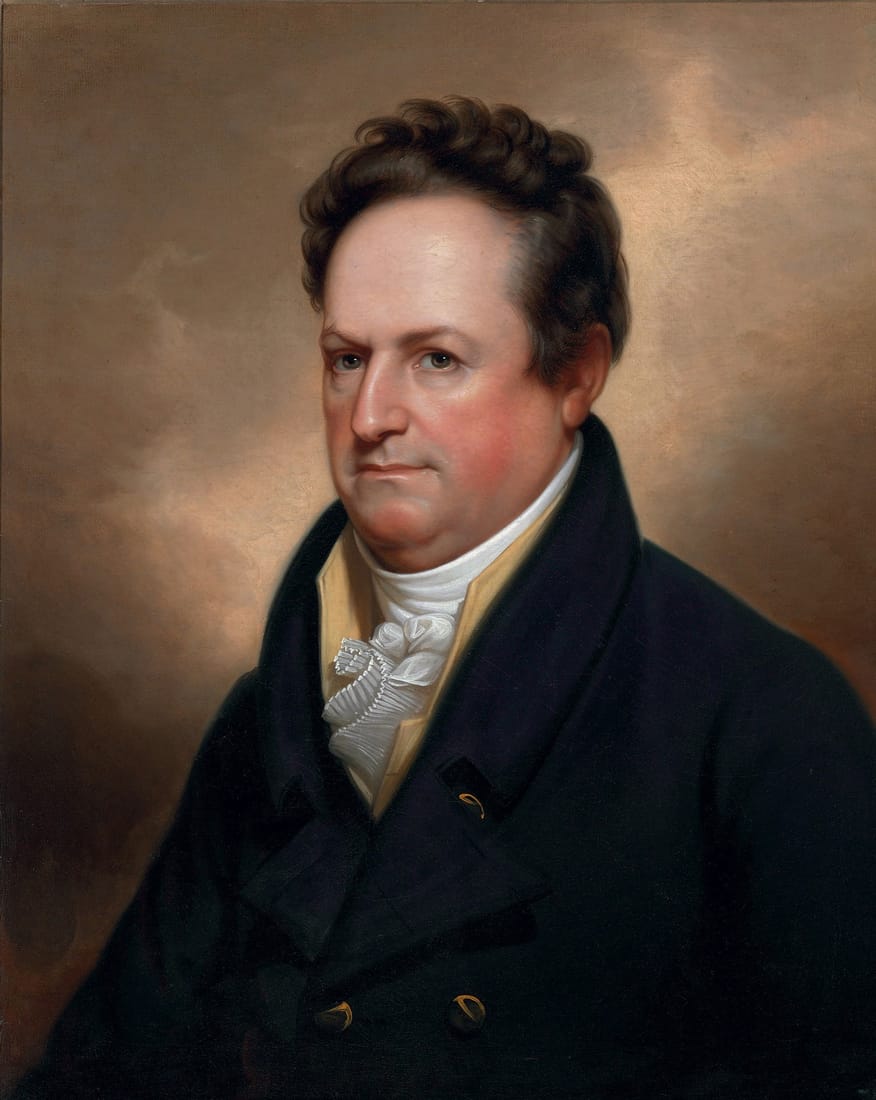
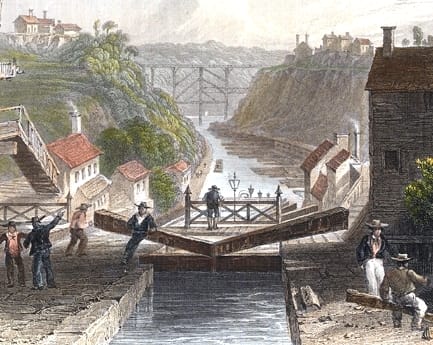
1825 The Erie Canal They called it "Clinton’s Folly." Then it cut the cost of reaching the interior by ninety percent and made New York the capital of American commerce.
July 13–16, 1863 The Draft Riots A protest against a draft the rich could buy out of became four days of racist terror, and the deadliest riot in American history. These are the names the relief committee wrote down.
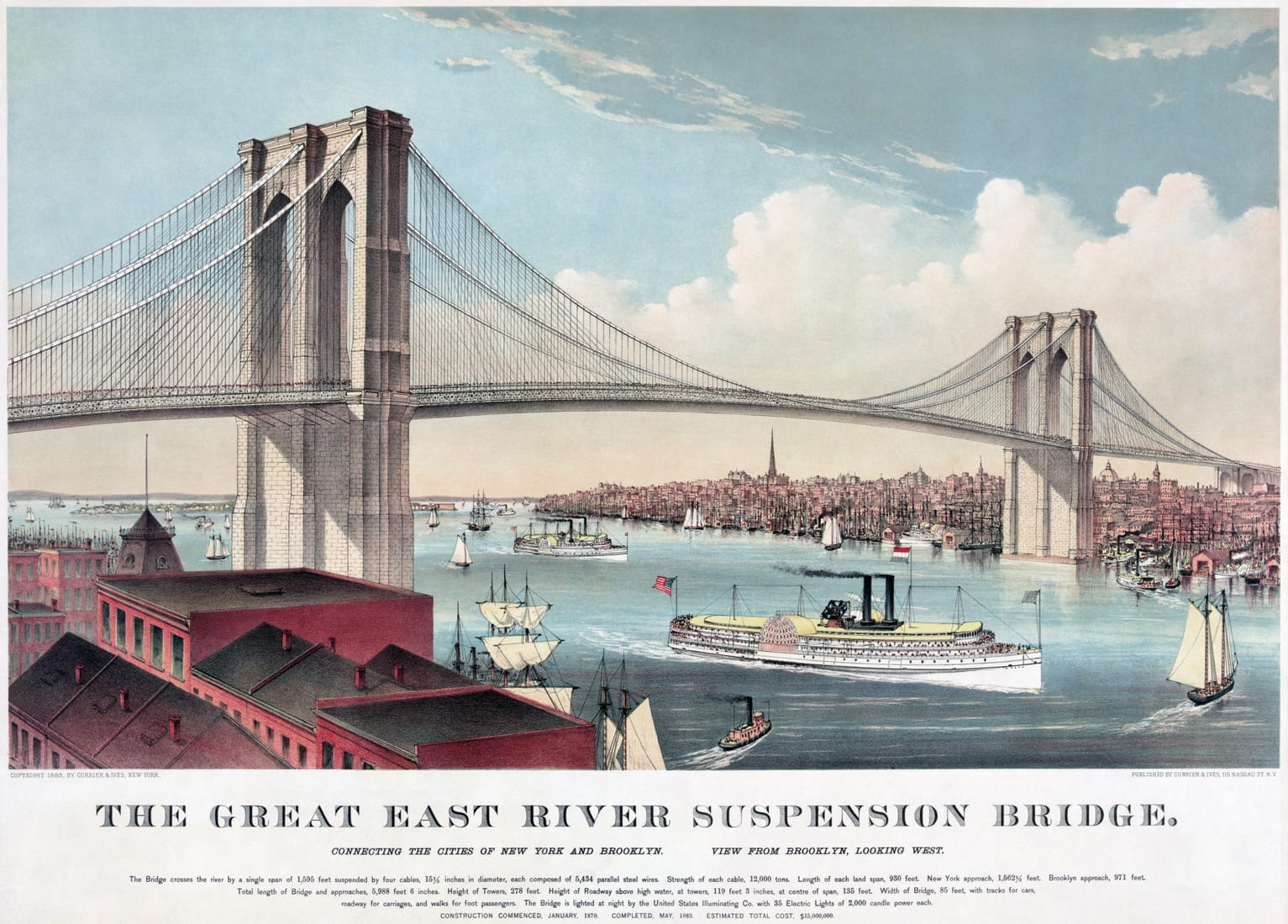
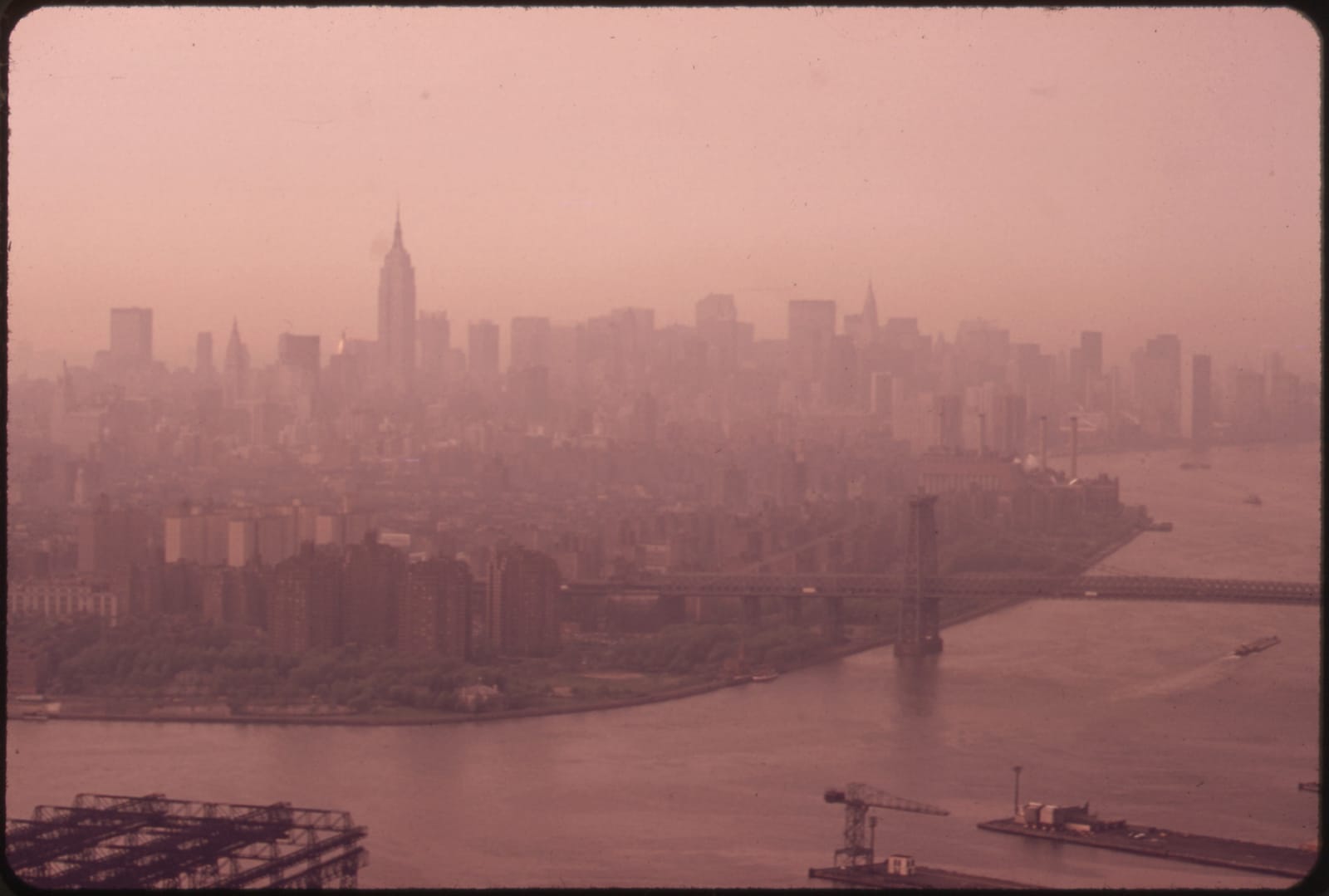
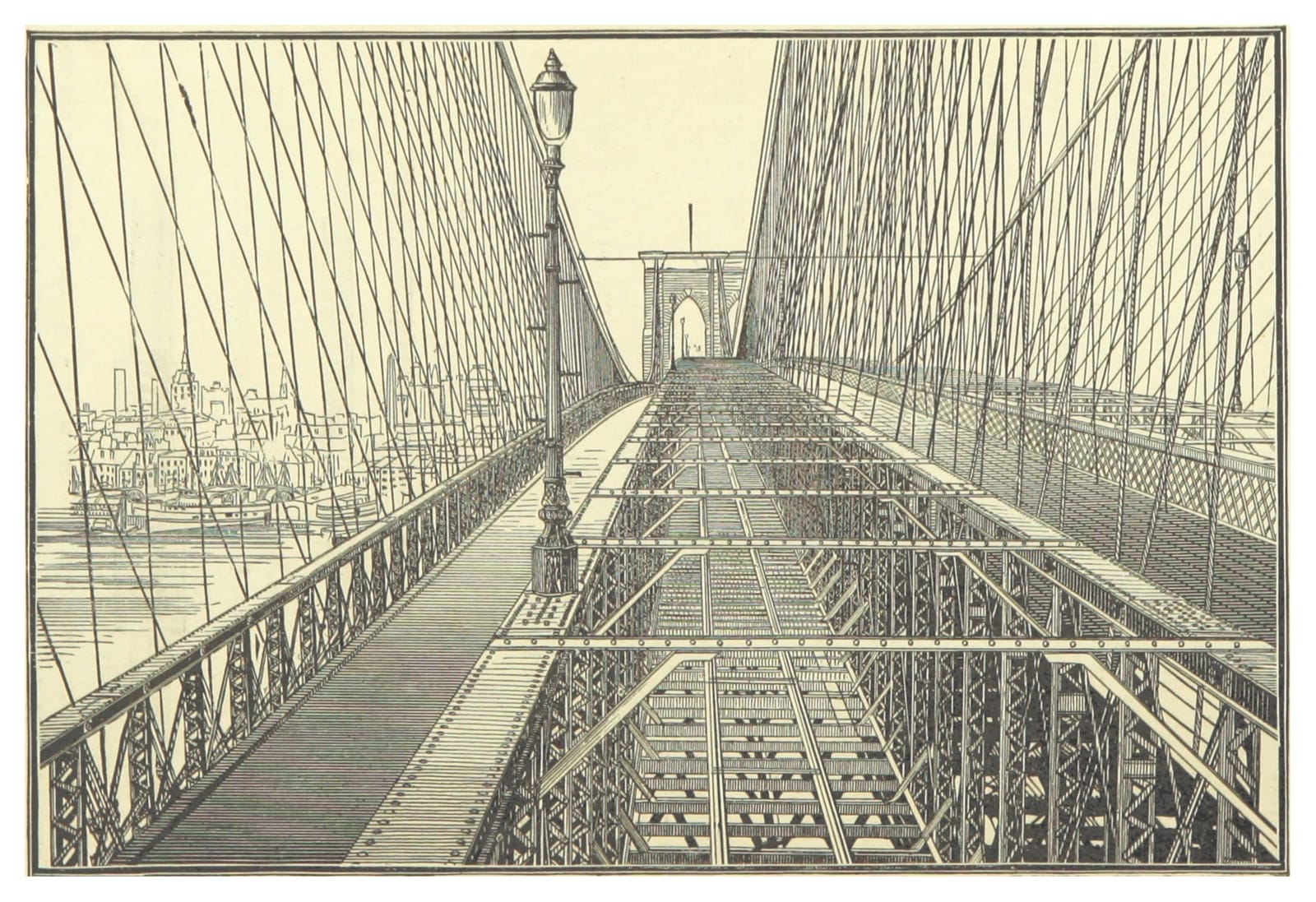
Opened May 24, 1883 The Brooklyn Bridge It took fourteen years, around twenty-seven lives, and three Roeblings to throw a steel road across the East River. The one who finished it was a woman nobody would let be an engineer.
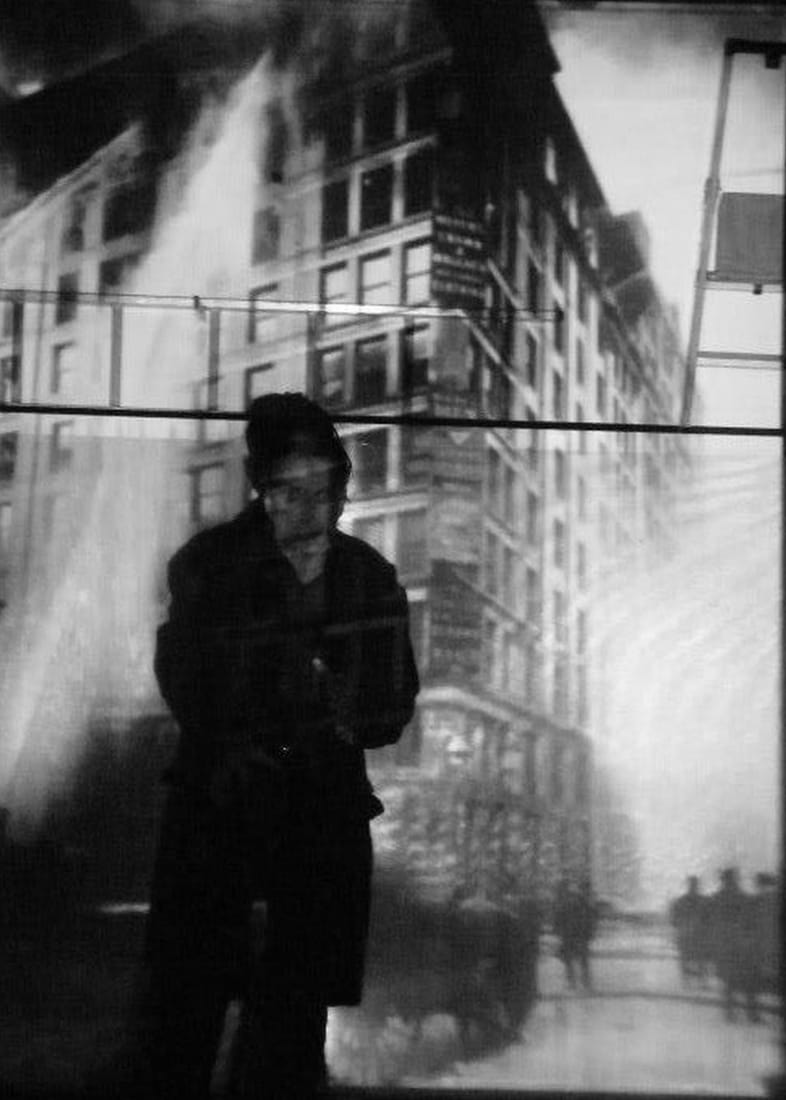
March 25, 1911 The Triangle Shirtwaist Factory Fire 146 garment workers, most of them young immigrant women, died in eighteen minutes behind a locked door. The city never treated its workers the same way again.
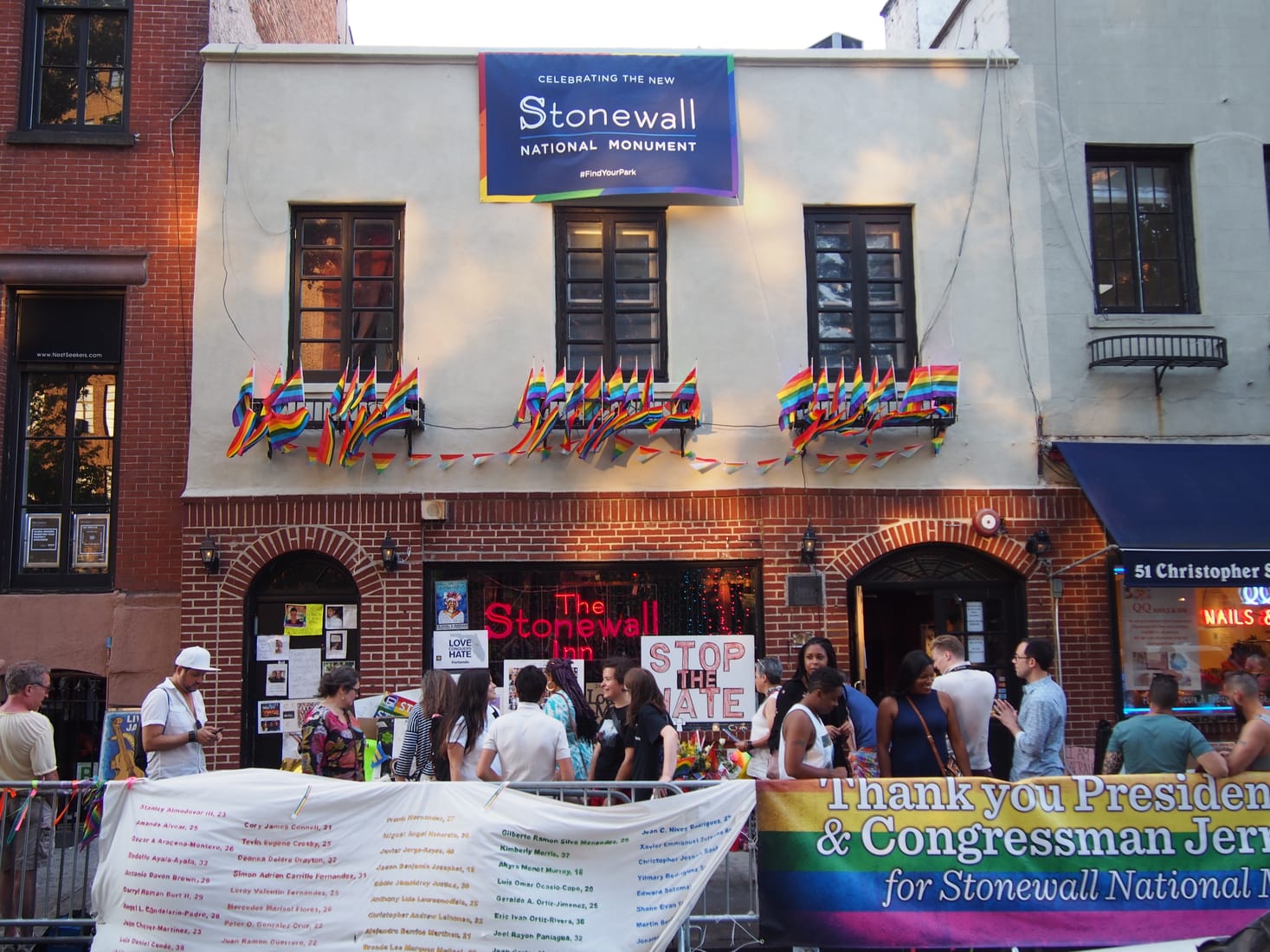
June 28 – July 3, 1969 The Stonewall Uprising The police raided a Mafia-run gay bar on Christopher Street, as they always did. This time the bar fought back, and a movement was born. Almost everything else you have heard is contested.
1975 The 1975 Fiscal Crisis The richest city in the country nearly went bankrupt, a teachers’ pension fund saved it by a couple of hours, and a tabloid put four words on the President that he never actually said.
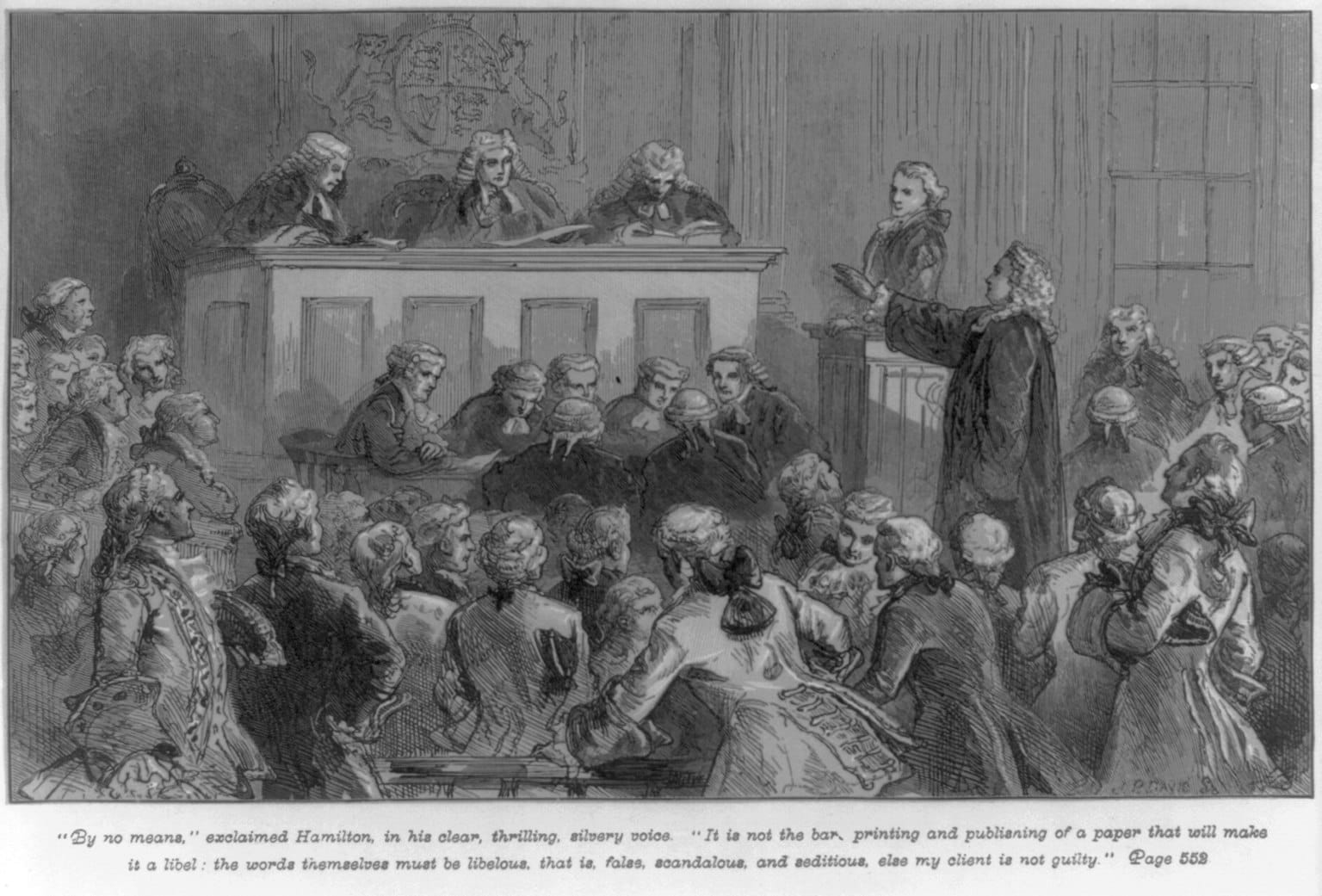
1735 The Trial of John Peter Zenger A New York jury freed a printer the law said was guilty, and planted the idea that became the free press. It changed no law for seventy years.
1857–1876 Central Park and Seneca Village America’s first great public park was built as a democratic gift to the city. To make it, New York razed a stable Black community and called it a slum.
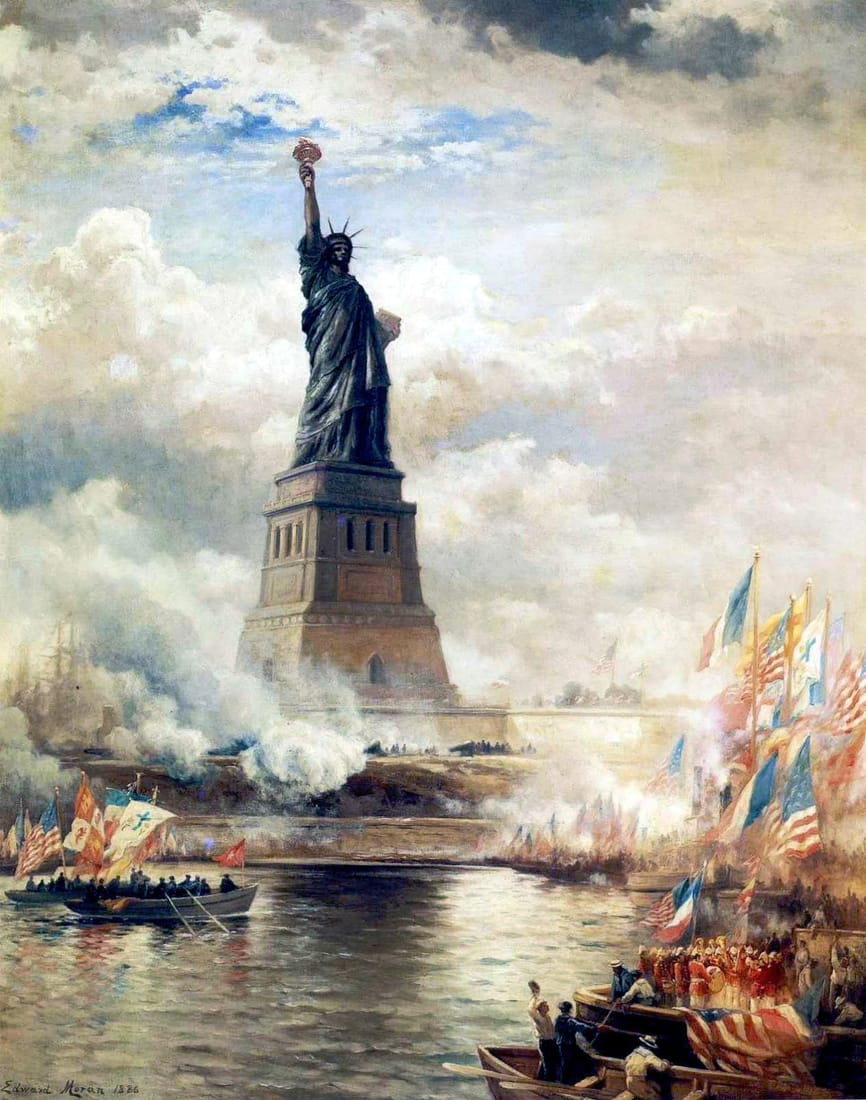
Dedicated October 28, 1886 The Statue of Liberty It was a French gift about the end of slavery, not immigration. The famous poem was not added for seventeen more years, and a tabloid crowdfunded the pedestal.
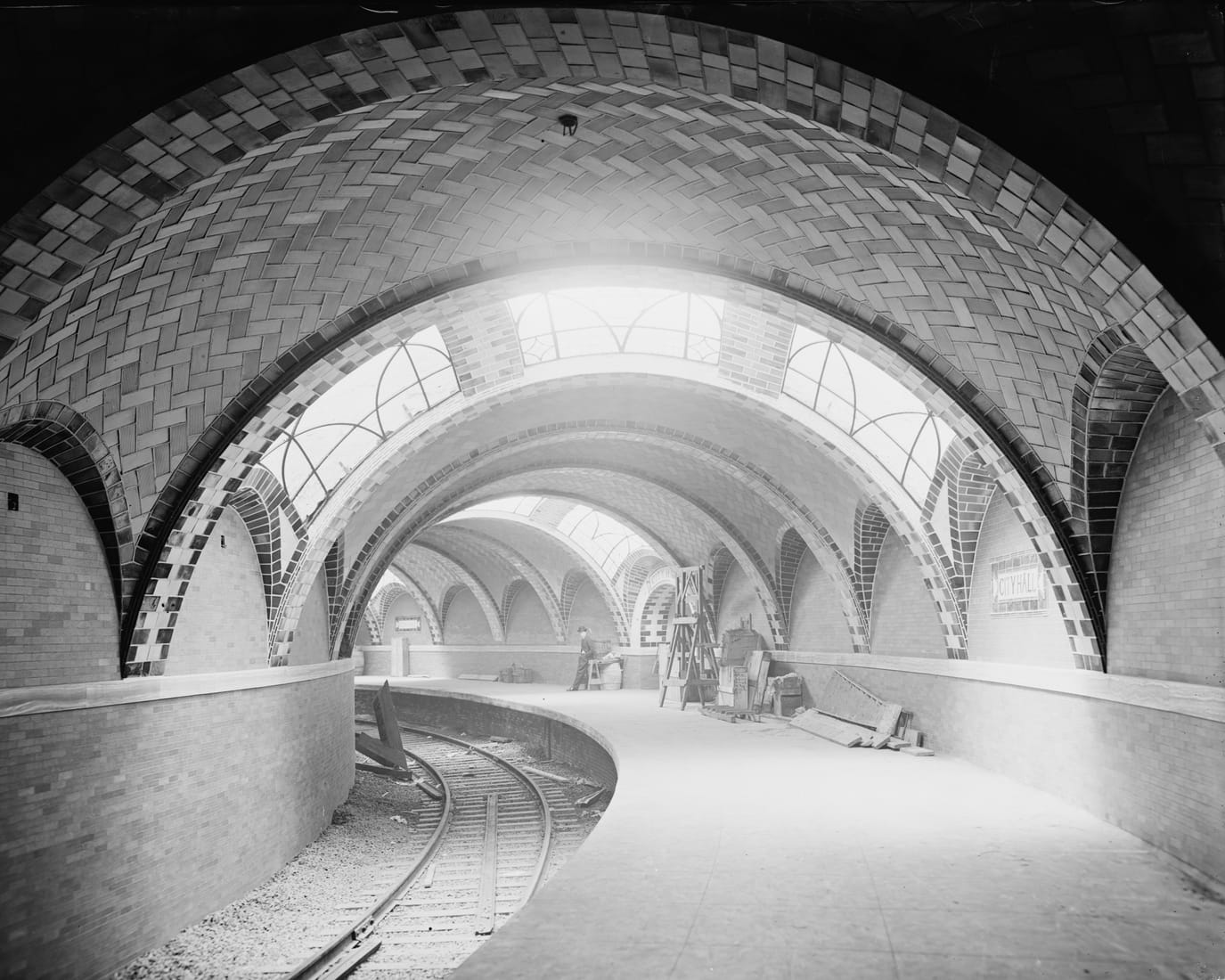
October 27, 1904 The First Subway The mayor took the controls of the first train and refused to give them back. The subway he drove would build the Bronx, Brooklyn, and Queens.
c. 1918–1935 The Harlem Renaissance The Great Migration made Harlem the capital of Black America, and a generation of artists there refused, for the first time at that scale, to ask anyone’s permission.
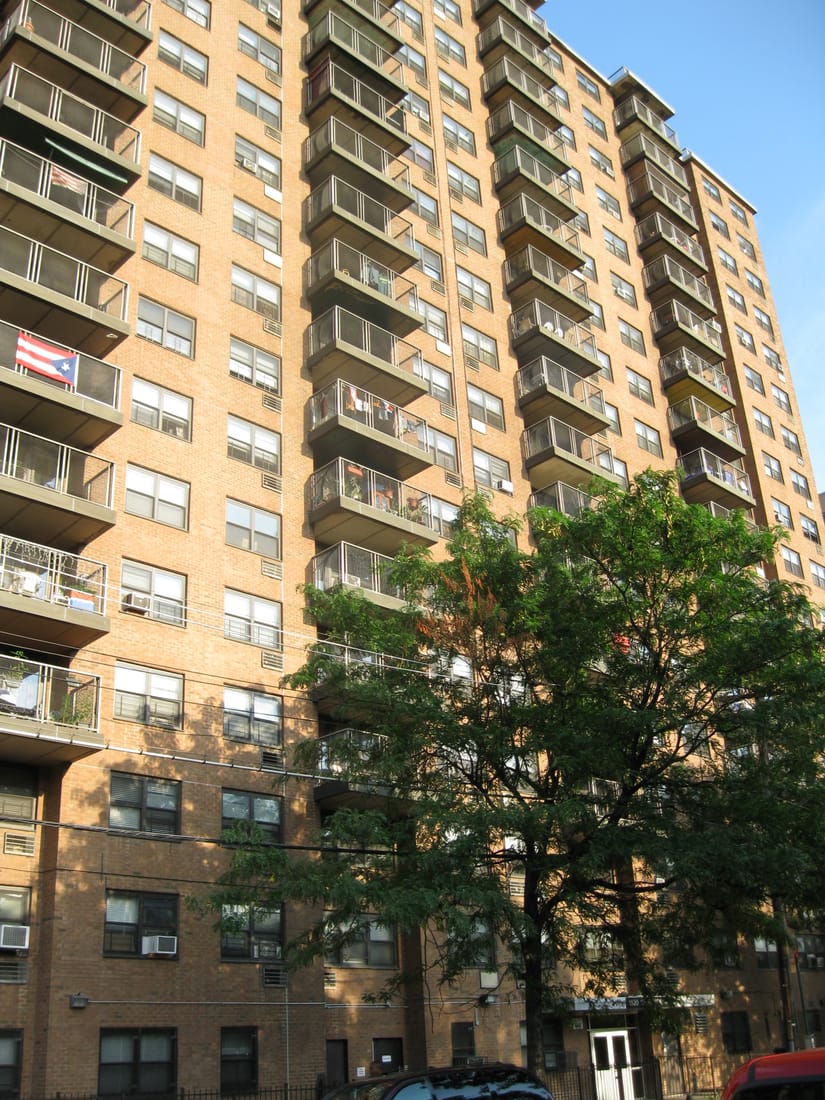
August 11, 1973 The Birth of Hip-Hop A back-to-school party in a Bronx rec room, thrown to buy school clothes, gave the world its most influential music. The block that started it had been gutted by a highway.
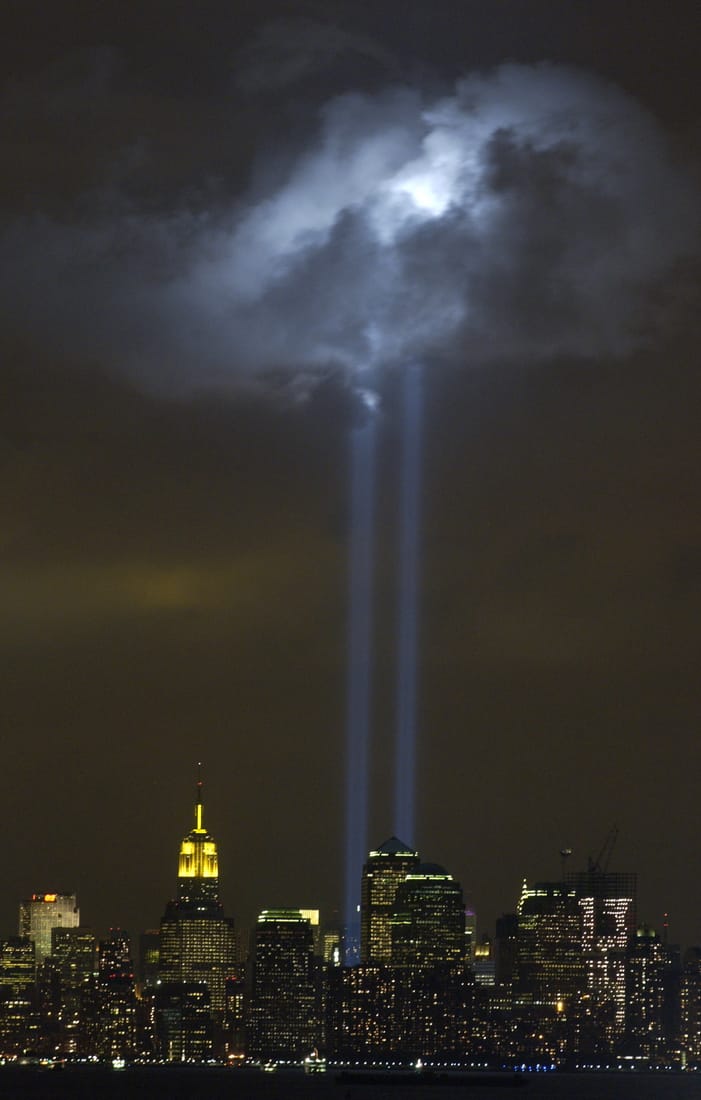
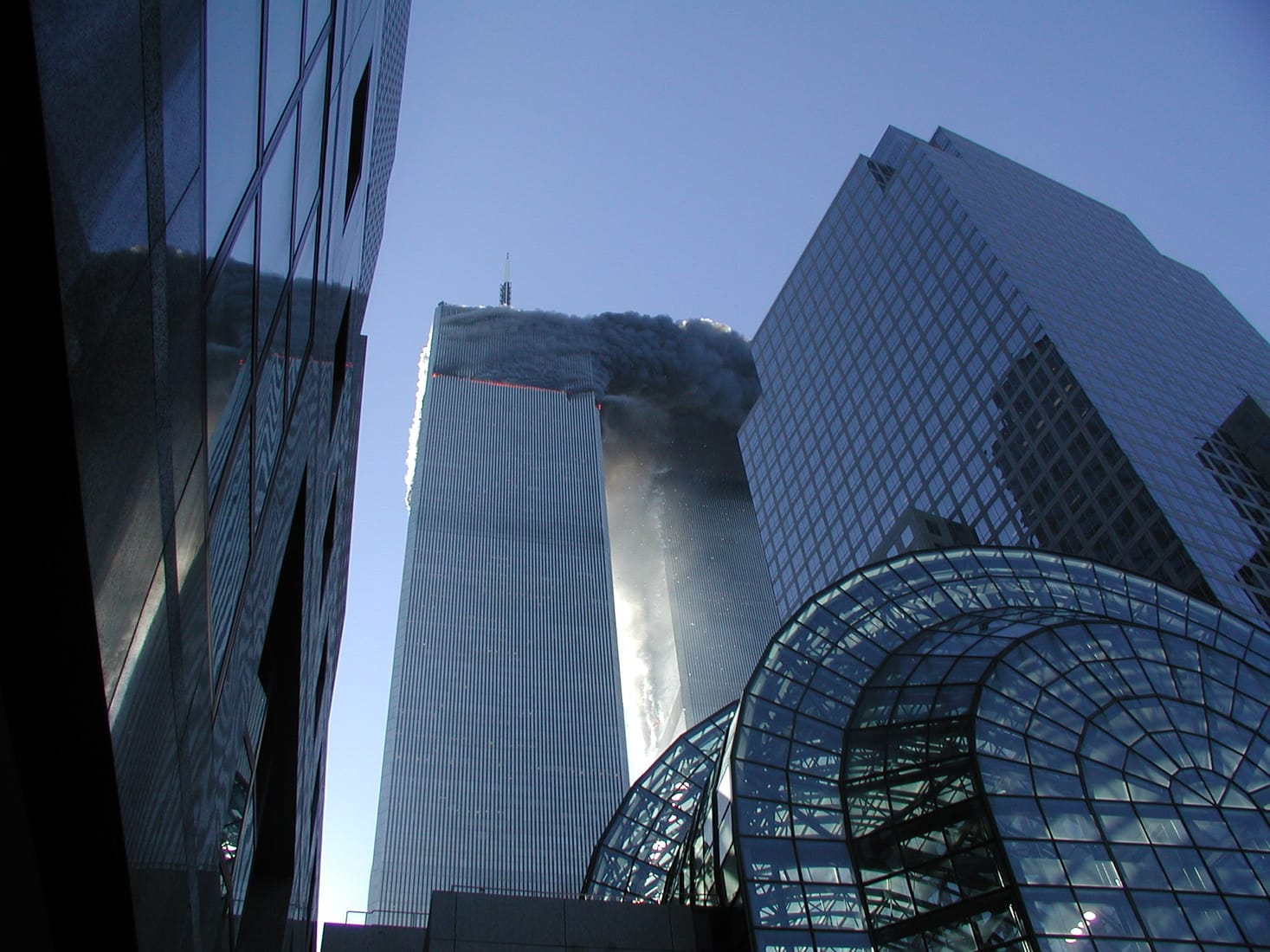
September 11, 2001 September 11, 2001 The deadliest day in the city’s history. 2,753 New Yorkers were killed, and the firefighters climbed the stairs as everyone else came down.
December 27, 1657 The Flushing Remonstrance Thirty Englishmen in a Dutch colony refused an order to turn away Quakers, and wrote one of the first American arguments for religious freedom. None of them was a Quaker.
1741 The 1741 "Conspiracy" Trials After a string of fires, New York tried scores of enslaved people for a plot to burn the city. About thirty were executed, thirteen burned at the stake. Historians still doubt the plot was real.
1871 Boss Tweed and the Tammany Ring William Tweed and his ring stole tens of millions from New York, until a dead man’s ledgers, a relentless newspaper, and a cartoonist’s pencil brought him down.
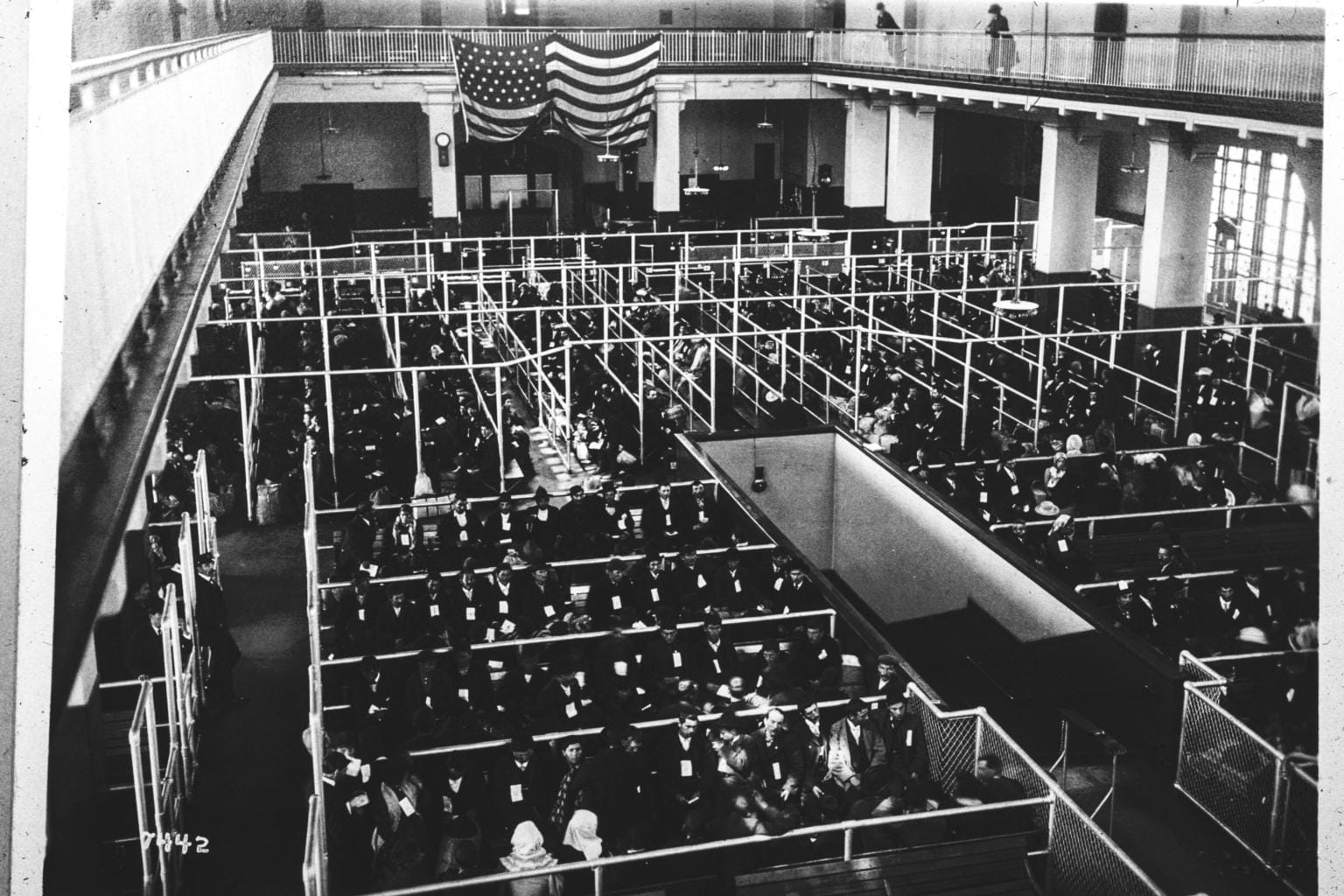
1892 to 1954 Ellis Island For sixty-two years, the front door to America for twelve million people. The names were not changed here, and almost no one was turned away.
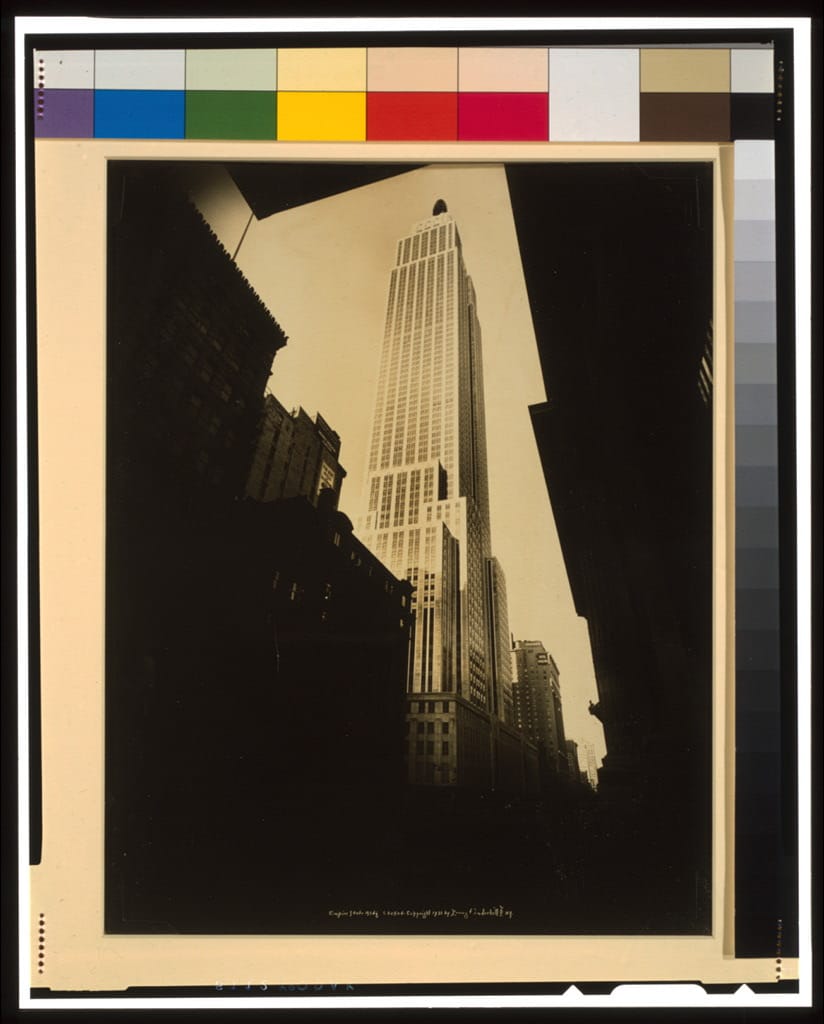
Opened May 1, 1931 The Empire State Building The tallest building on earth, raised in 410 days at the bottom of the Depression, then so empty they called it the Empty State Building.
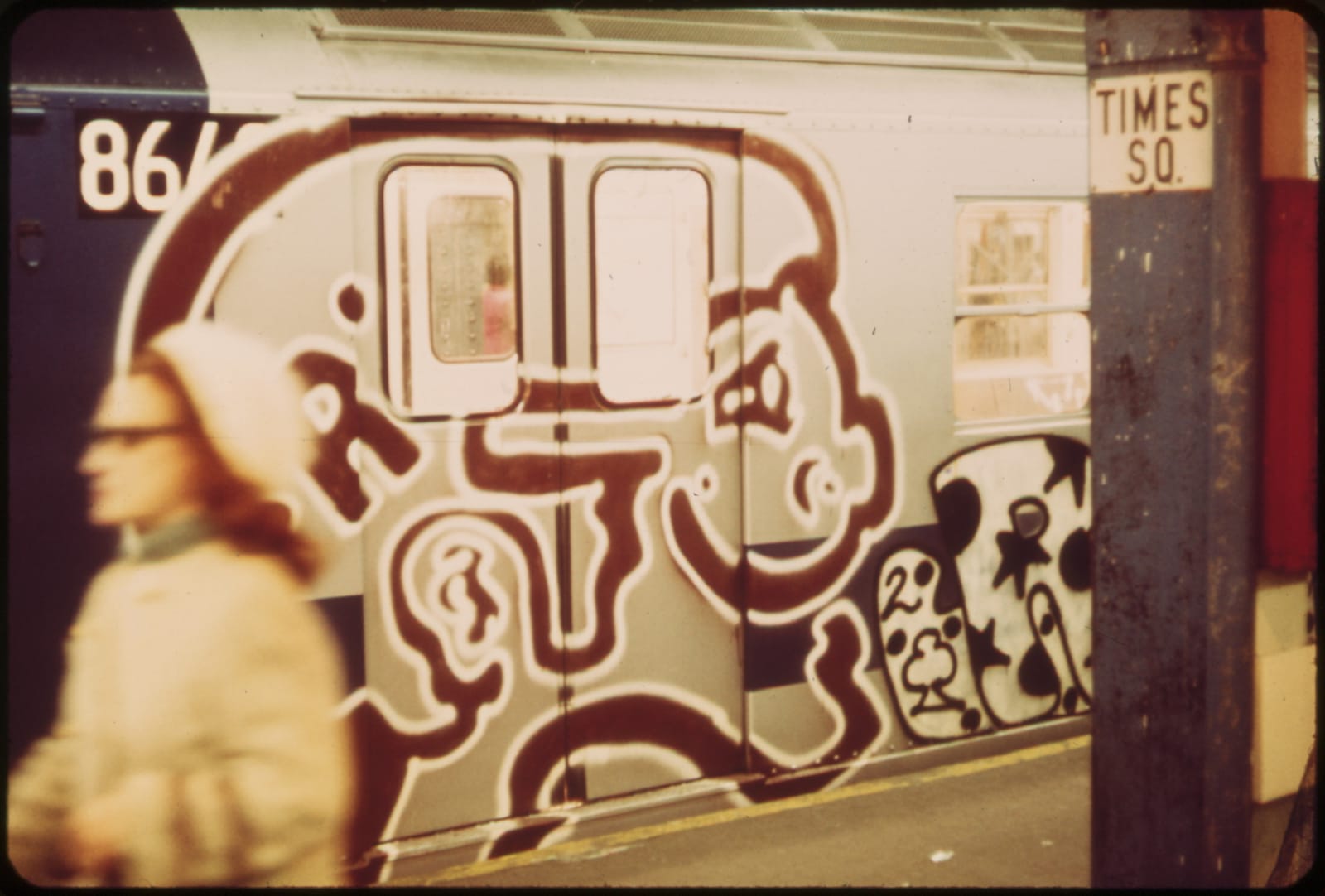
July 13-14, 1977 The Blackout of 1977 Lightning, a cascade of failures, and twenty-five hours of darkness. Unlike the calm blackout of 1965, this one came with fire.
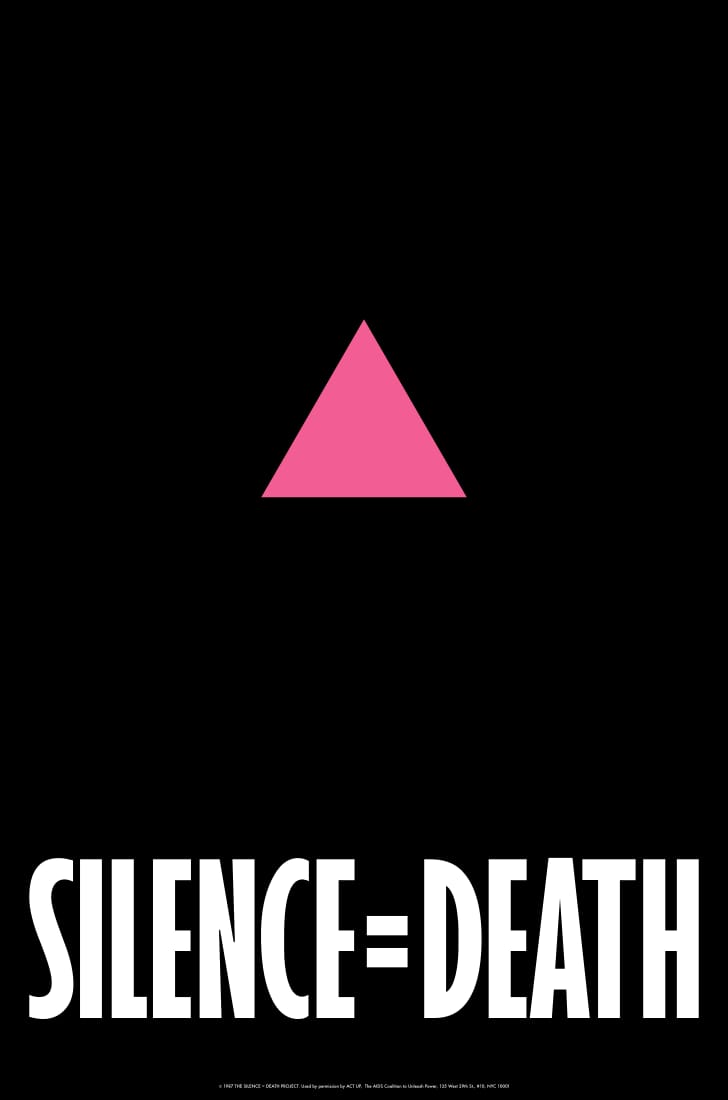
1981-1996 The AIDS Crisis and ACT UP New York was the epicenter. Tens of thousands died while the government looked away, until grief turned into the most effective protest movement of the city’s modern history.
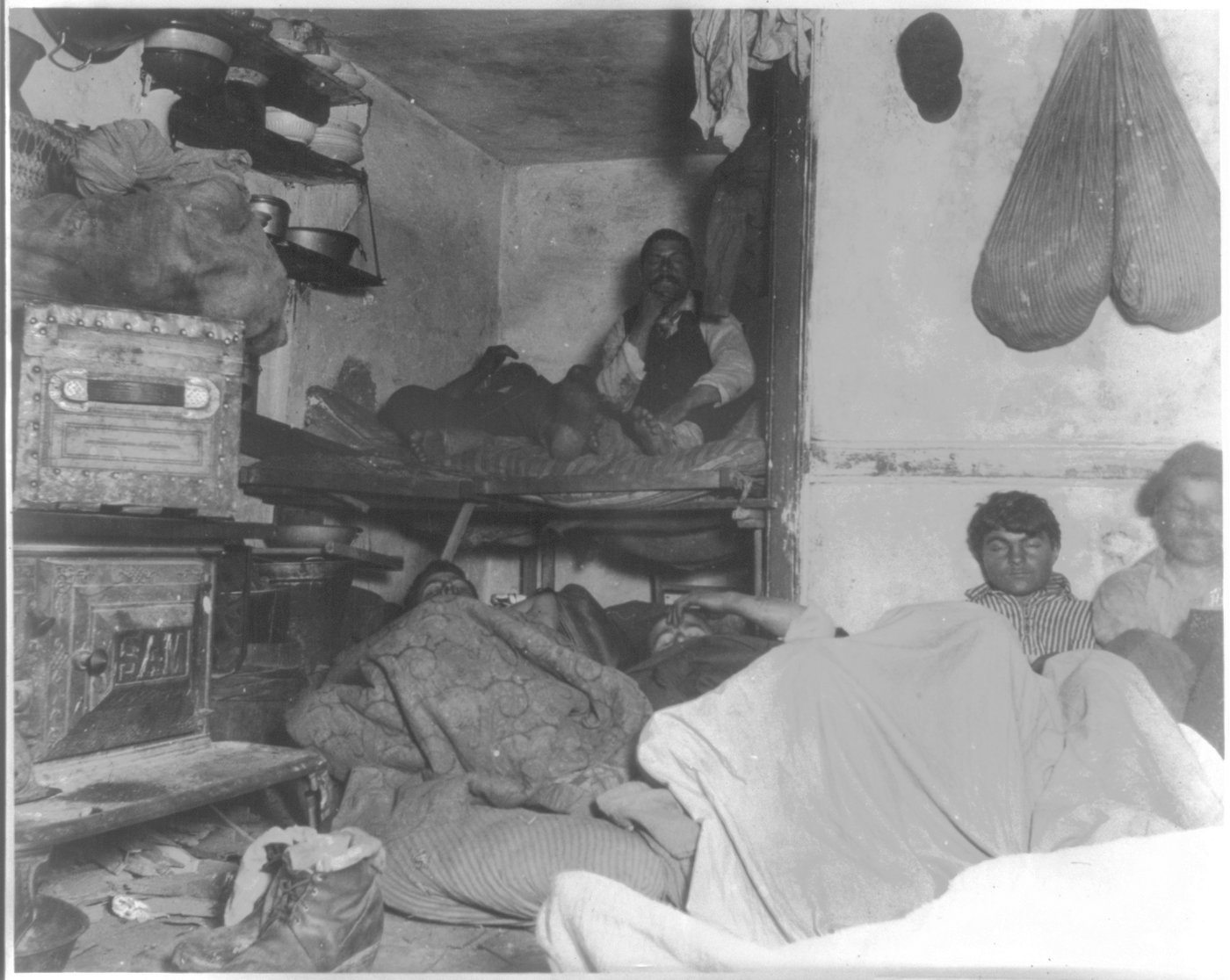
The 19th century The Five Points The slum the world used as shorthand for urban poverty, built on a buried pond. It was also one of America’s first integrated neighborhoods, and a birthplace of tap.
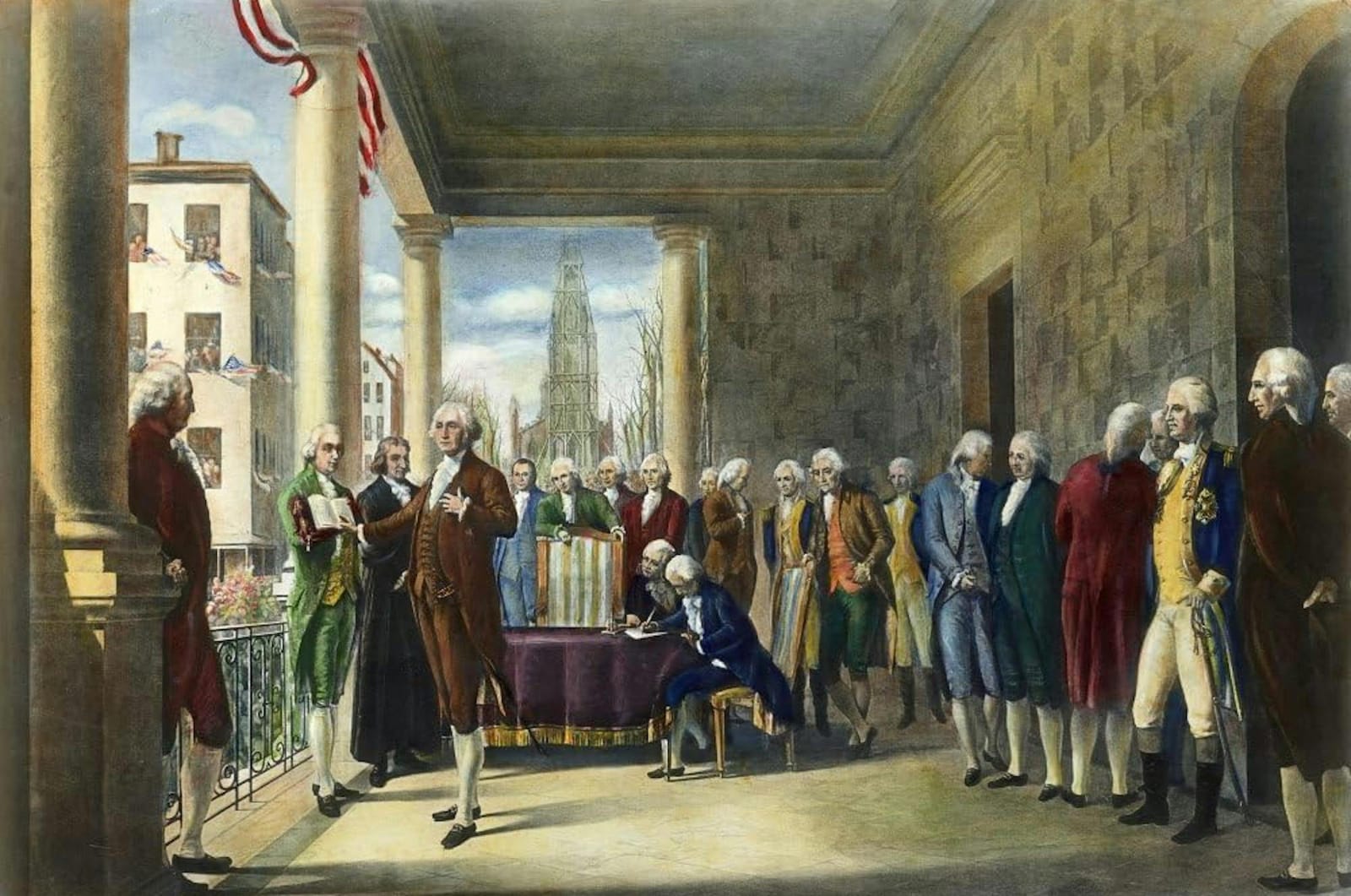
April 30, 1789 Washington’s Inauguration at Federal Hall The first president took the oath on a Wall Street balcony, in the nation’s first capital. He was so nervous he could barely read his speech.
January 1, 1898 The Birth of Greater New York At midnight, five separate places became one city of 3.4 million. Brooklyn, then the fourth-largest city in America, approved the merger by 277 votes.
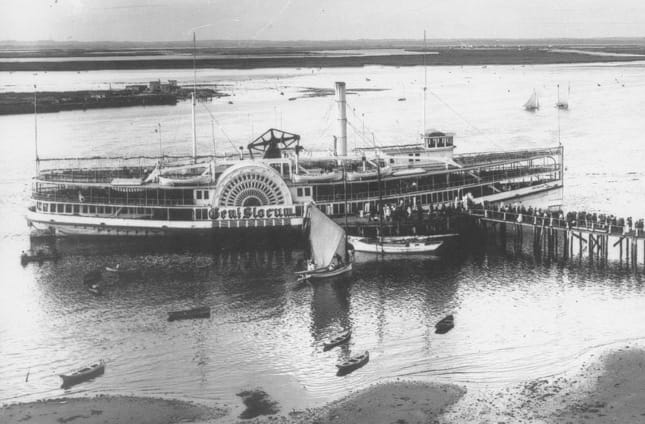
June 15, 1904 The General Slocum Disaster A church picnic boat caught fire in the East River with rotted life preservers and lifeboats wired in place. About 1,021 died, most of them women and children, the city’s deadliest day until September 11.
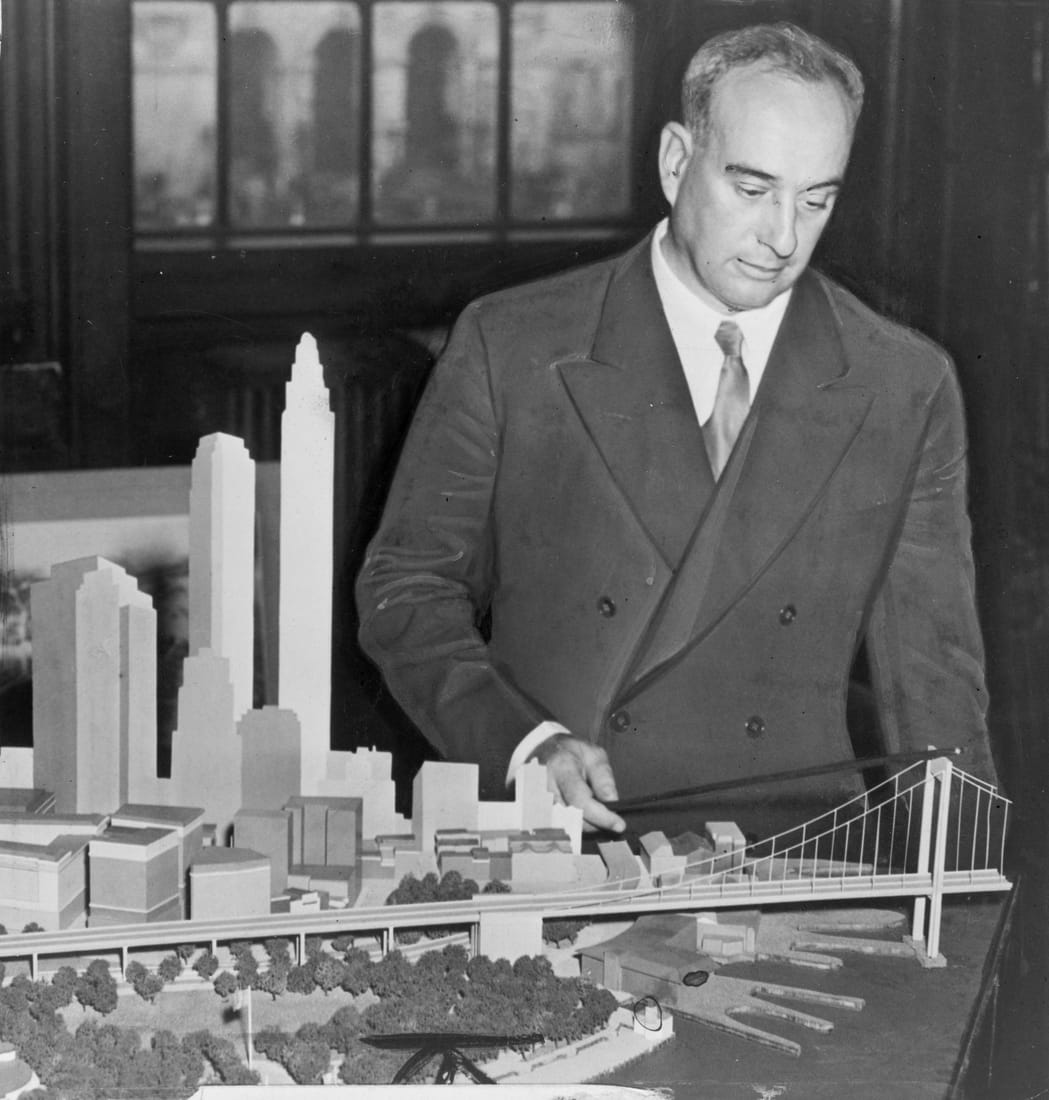
The 1920s to 1968 Robert Moses, the Master Builder For four decades the most powerful man in New York held no elected office. He built the bridges, beaches, and expressways, and he displaced half a million people to do it.
October 29, 2012 Hurricane Sandy A record fourteen-foot tide flooded Lower Manhattan, the subway, and the waterfront across all five boroughs. It killed at least 43 New Yorkers and forced the city to plan for the next one.
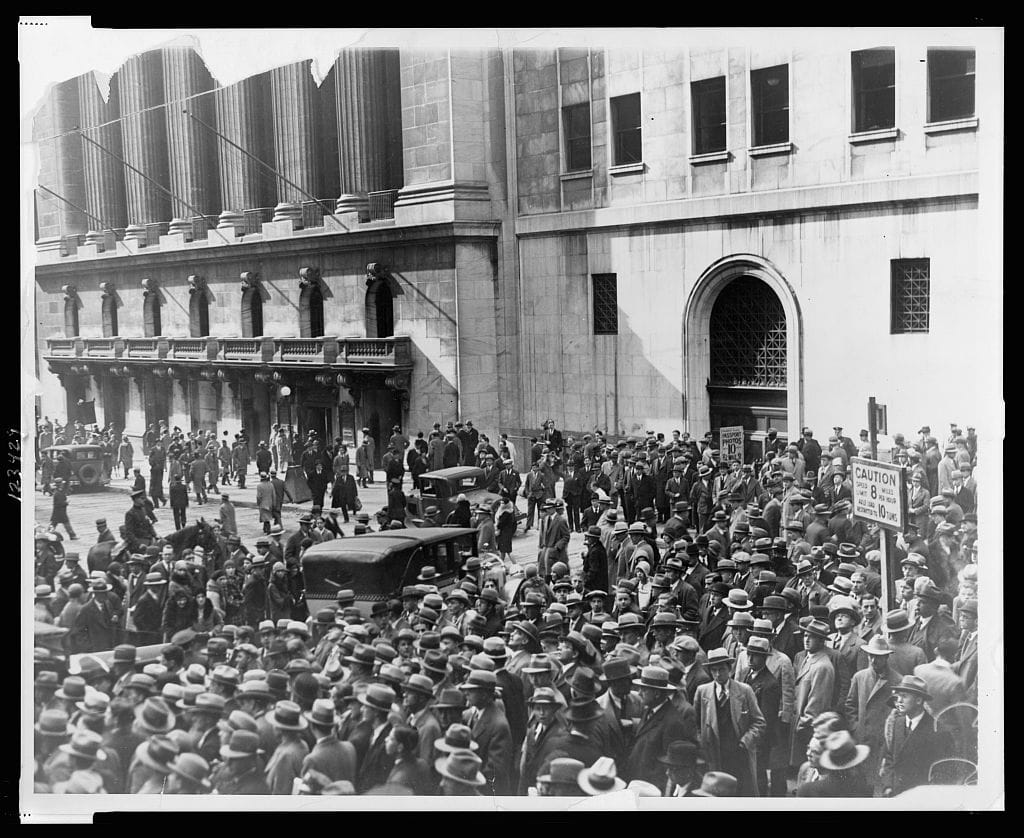
October 1929 The Crash of 1929 The week the bottom fell out of Wall Street. The bankers called it "a little distress selling." The leaping-broker suicides were mostly a myth. The Depression was not.
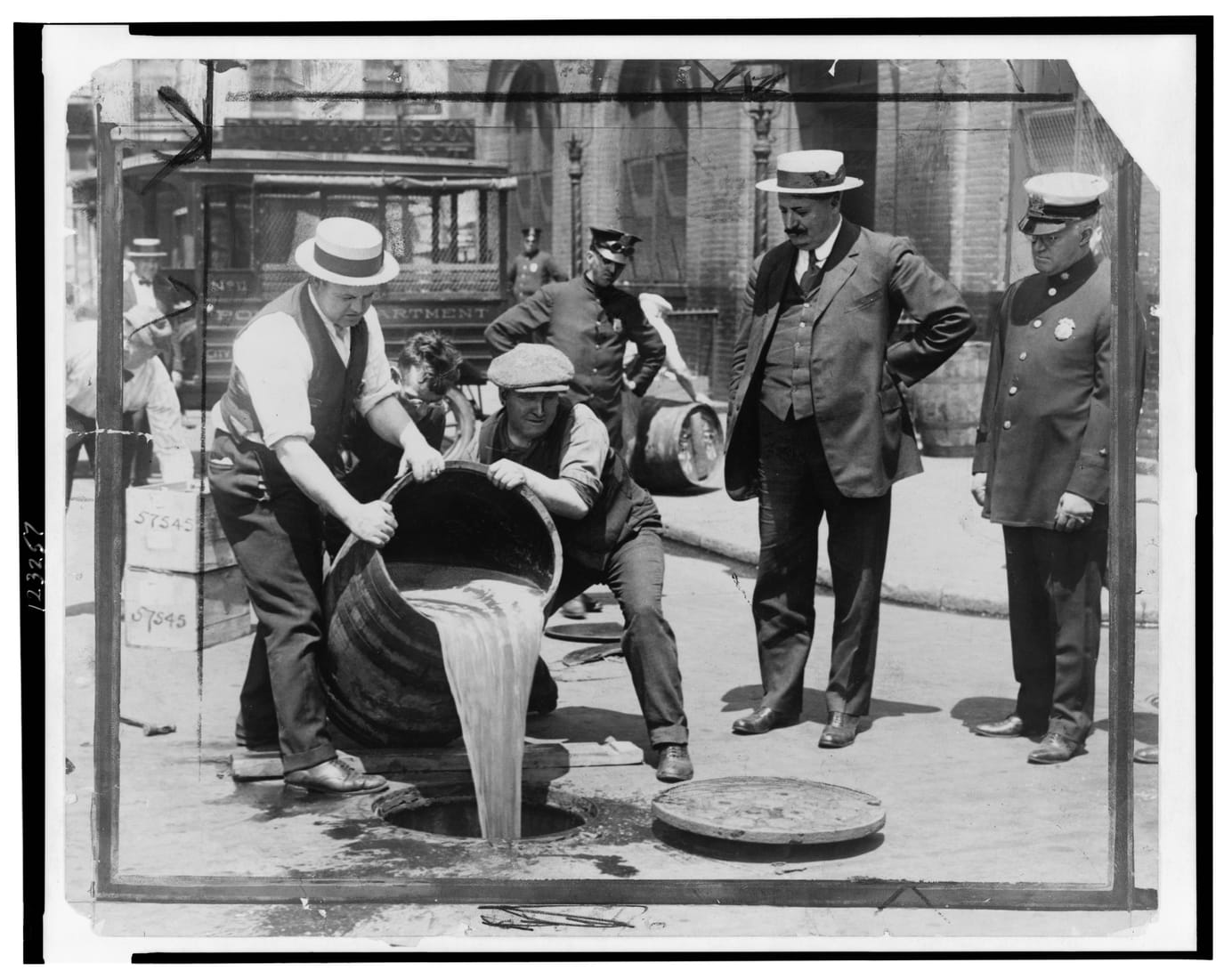
1920 to 1933 Prohibition in New York The wettest city in dry America. New York had tens of thousands of speakeasies, stopped enforcing the law a decade early, and turned bootlegging into big organized crime.
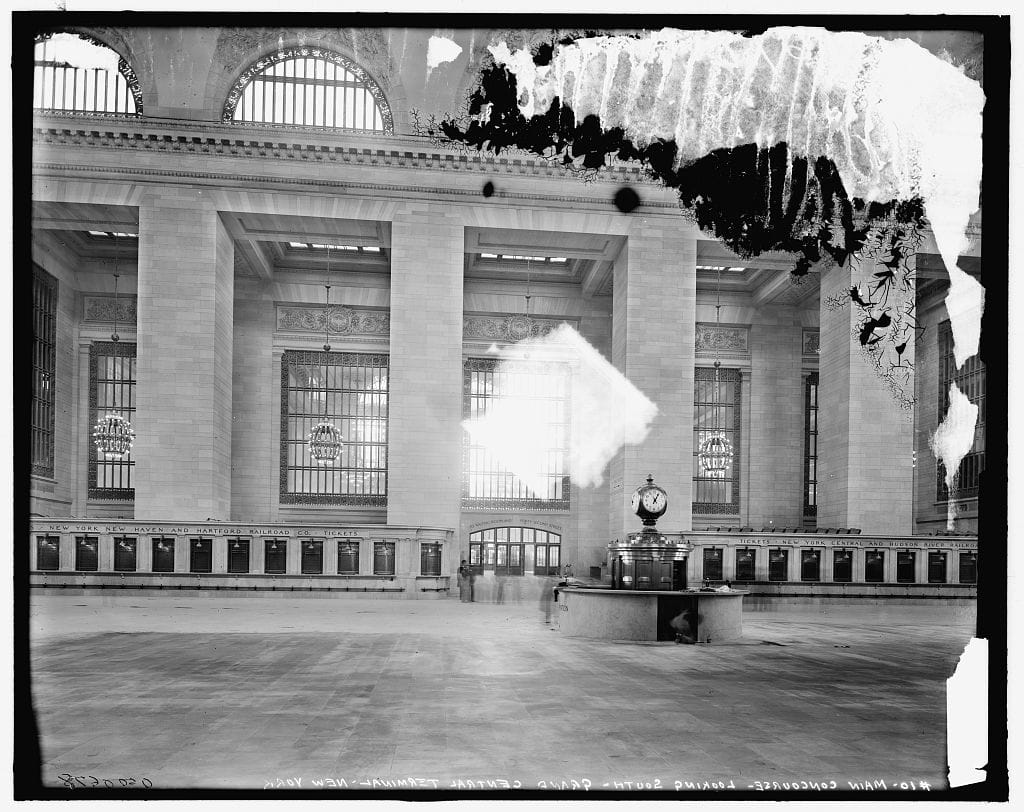
Opened February 2, 1913 Grand Central Terminal The most platforms of any station on earth, built because a deadly tunnel crash forced the trains underground. Saved from the wrecking ball, decades later, by a Supreme Court case and a former first lady.
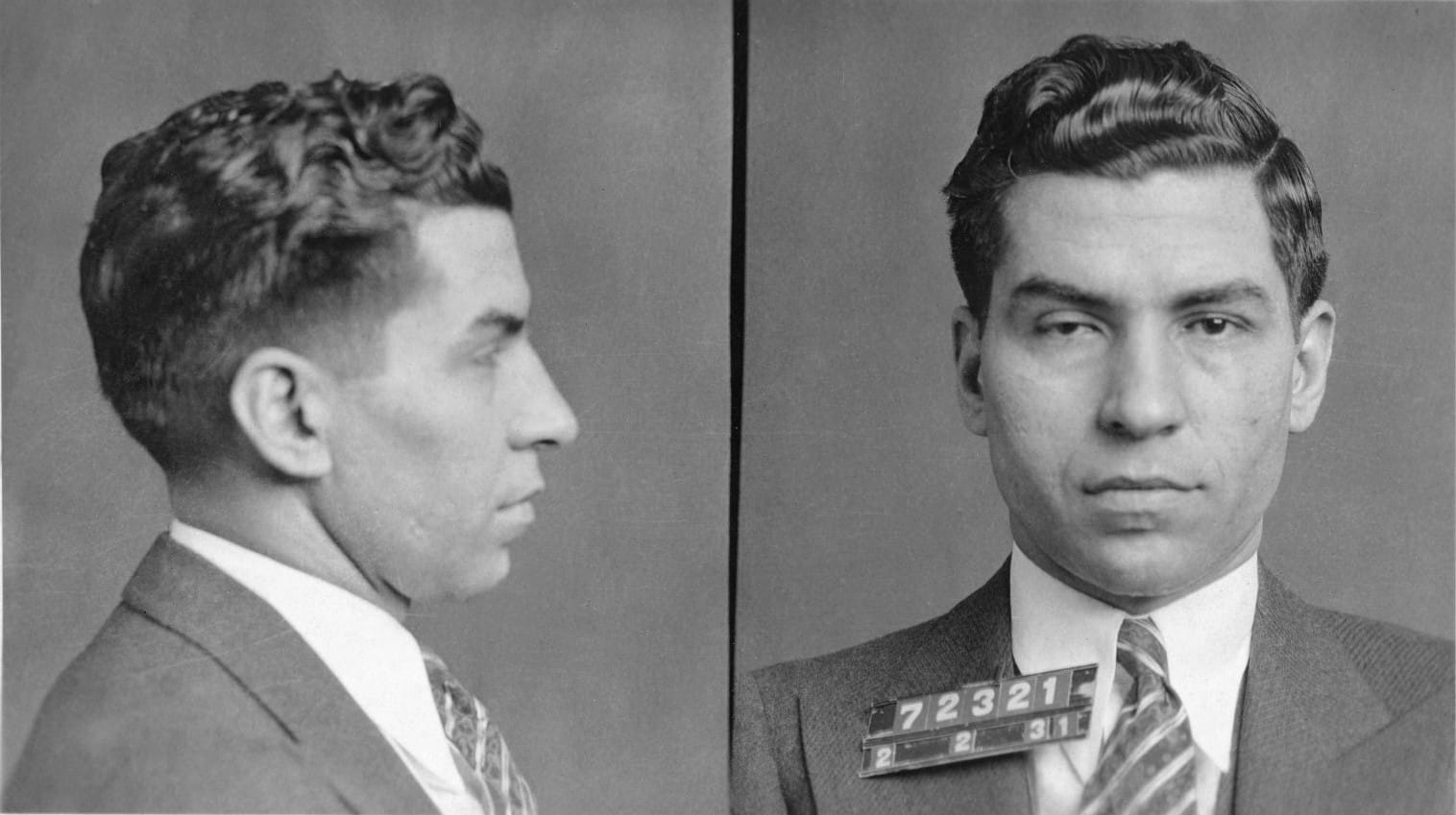
1931 to today The Five Families How the New York Mafia organized itself into five families and a national board, ran the city’s rackets for decades, and was finally broken by an upstate traffic stop, a Senate witness, and the RICO law.
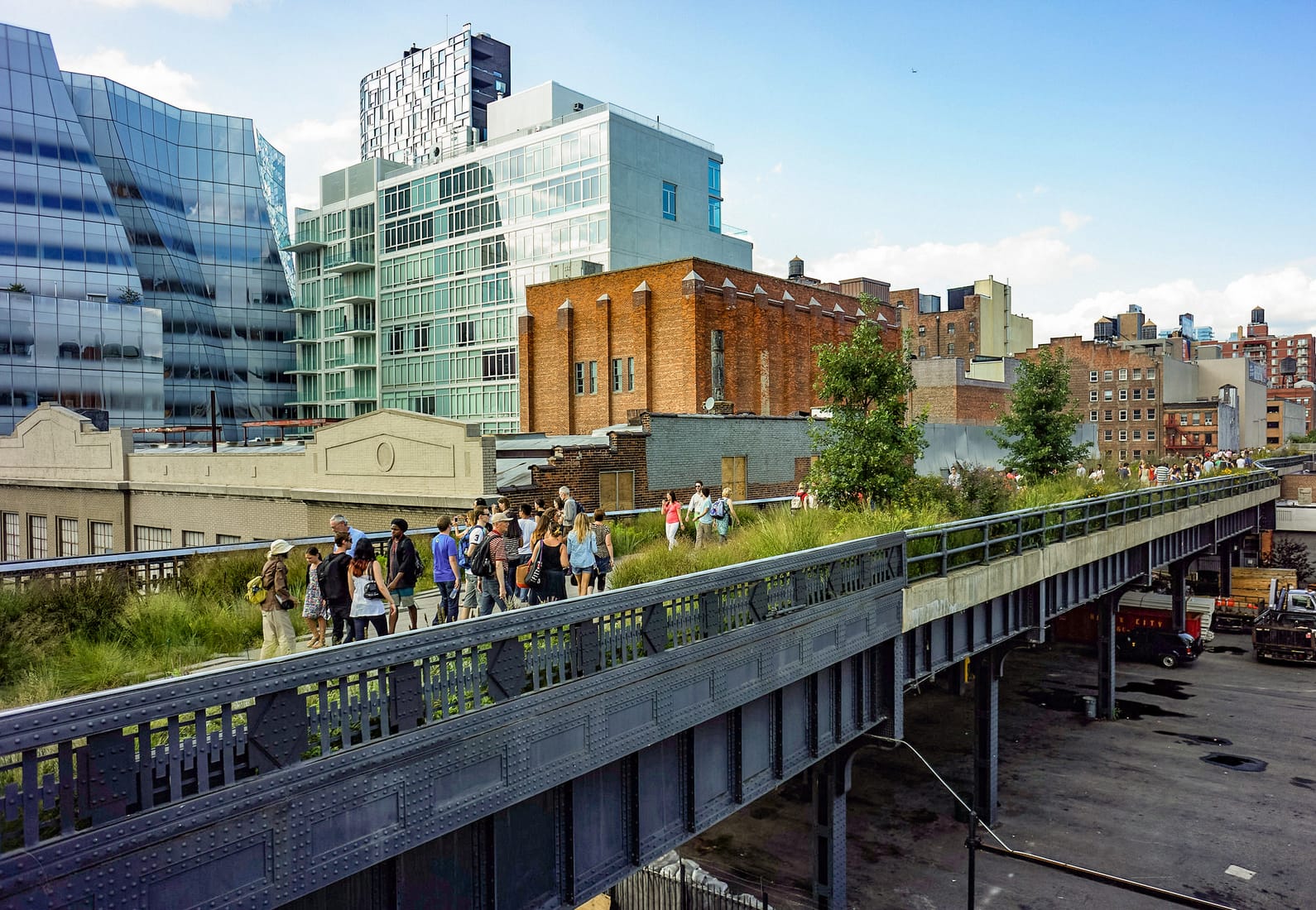
1934, reborn 2009 The High Line A freight railroad built to lift deadly trains off "Death Avenue," abandoned for decades, then saved from demolition and turned into a park in the sky. Its co-founder later said it failed the neighborhood.
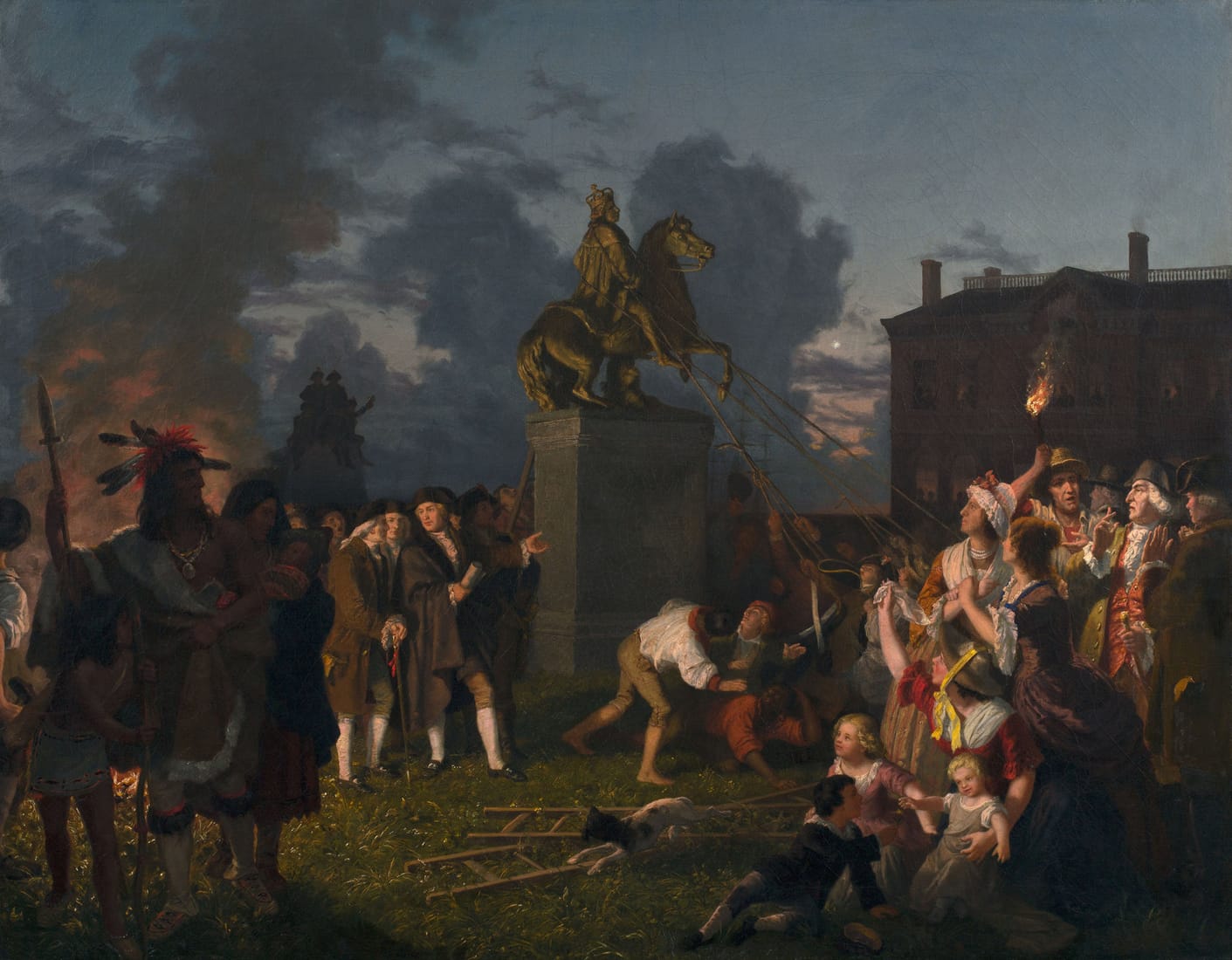
1765 to 1766 The Stamp Act The first time the colonies acted as one against London, and they did it in New York. A tax on paper brought a congress, a riot, and the Liberty Pole.
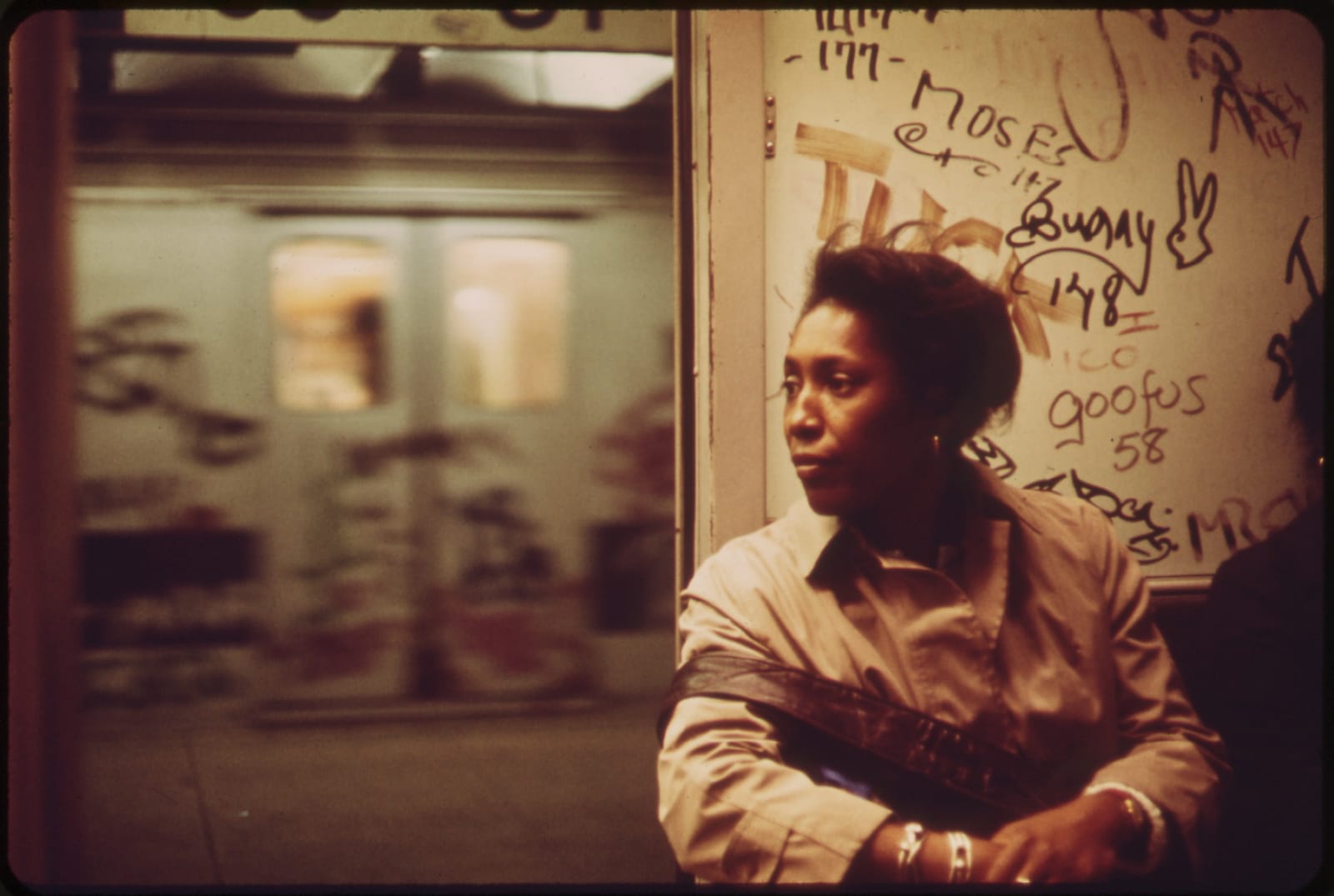
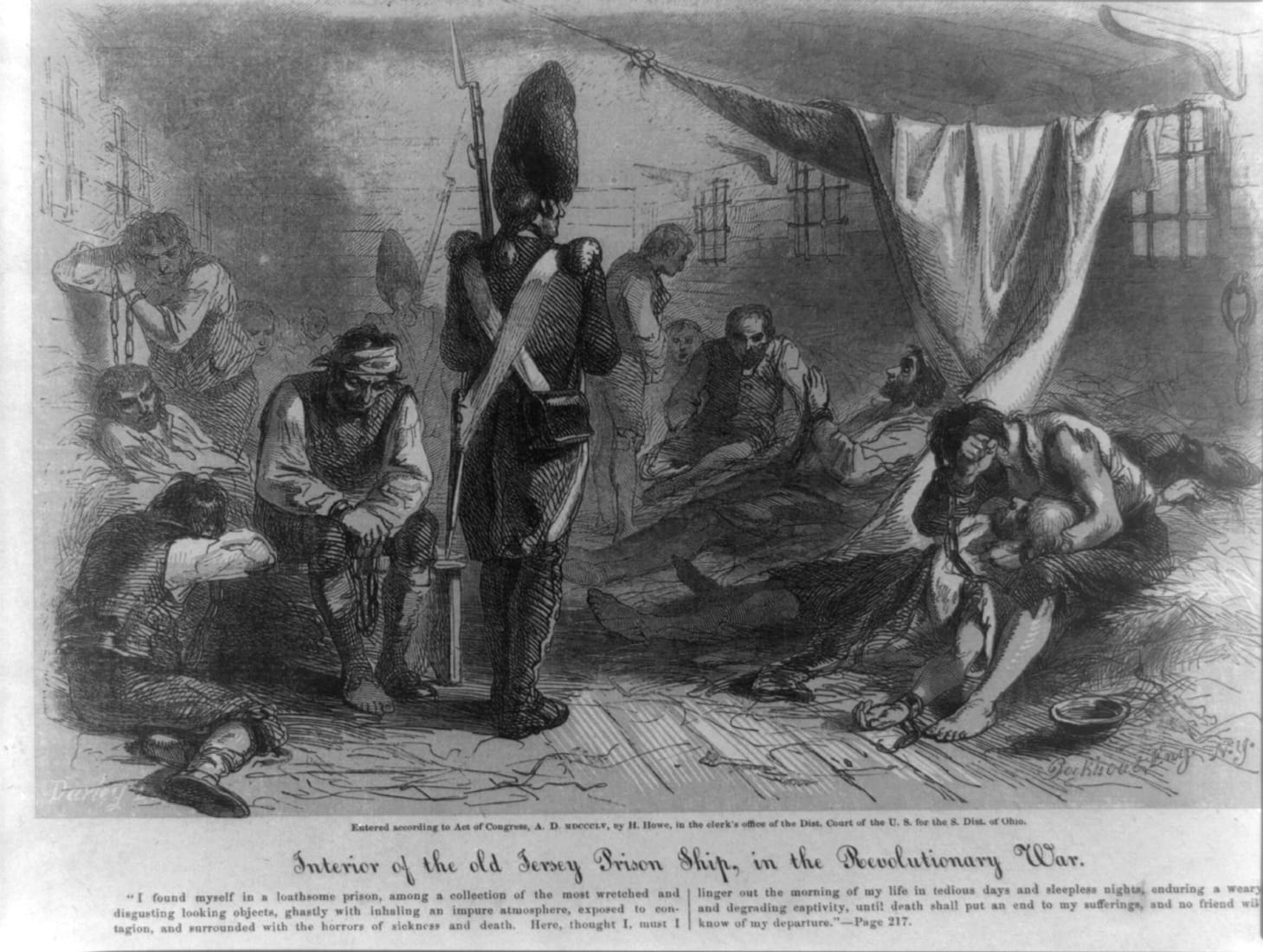
1776 to 1783 The Prison Ships On rotting hulks in the bay off Brooklyn, the British held captured Americans in conditions so lethal that more died there than in all the battles of the Revolution.
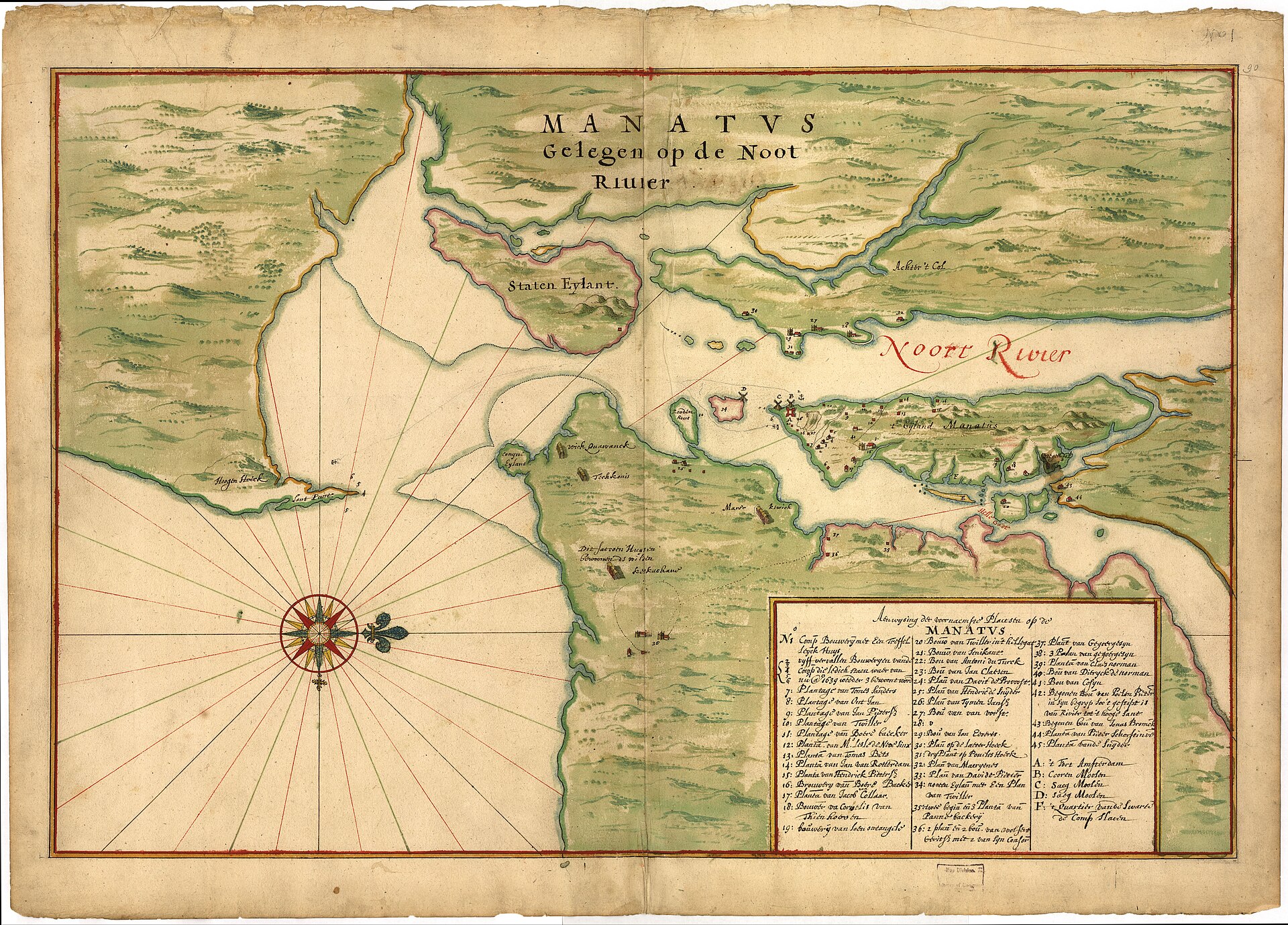
September 1664 New Amsterdam Becomes New York Four English warships sailed into the harbor, and the Dutch colony surrendered without a shot. Peter Stuyvesant wanted to fight. His own people would not let him.
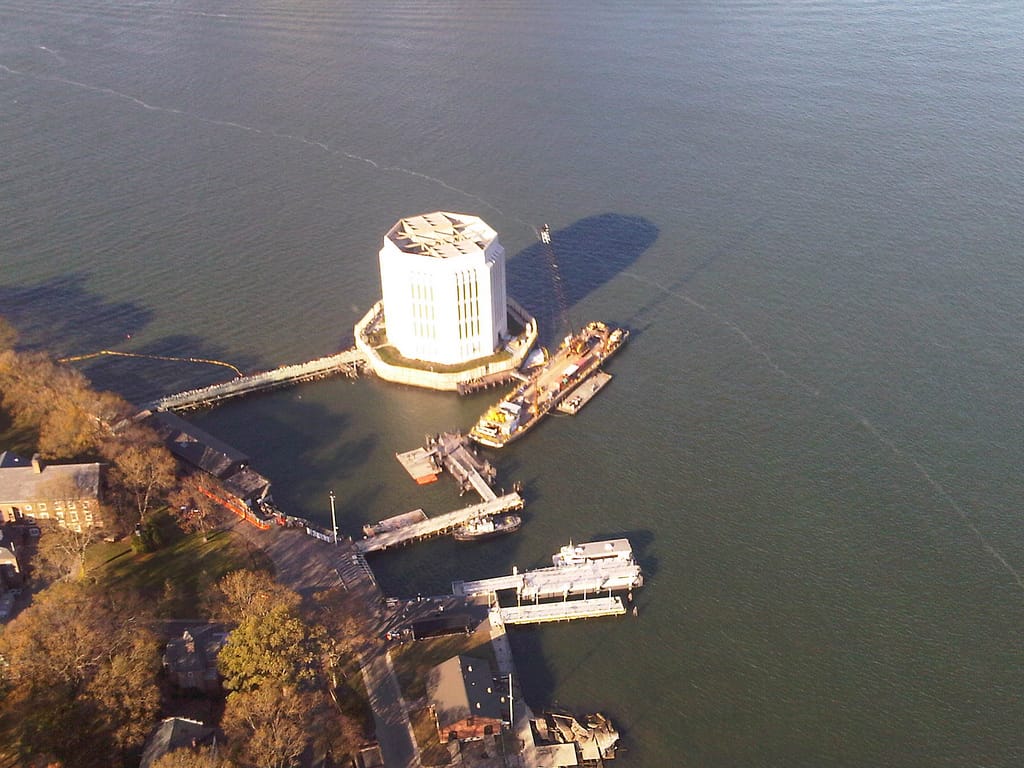
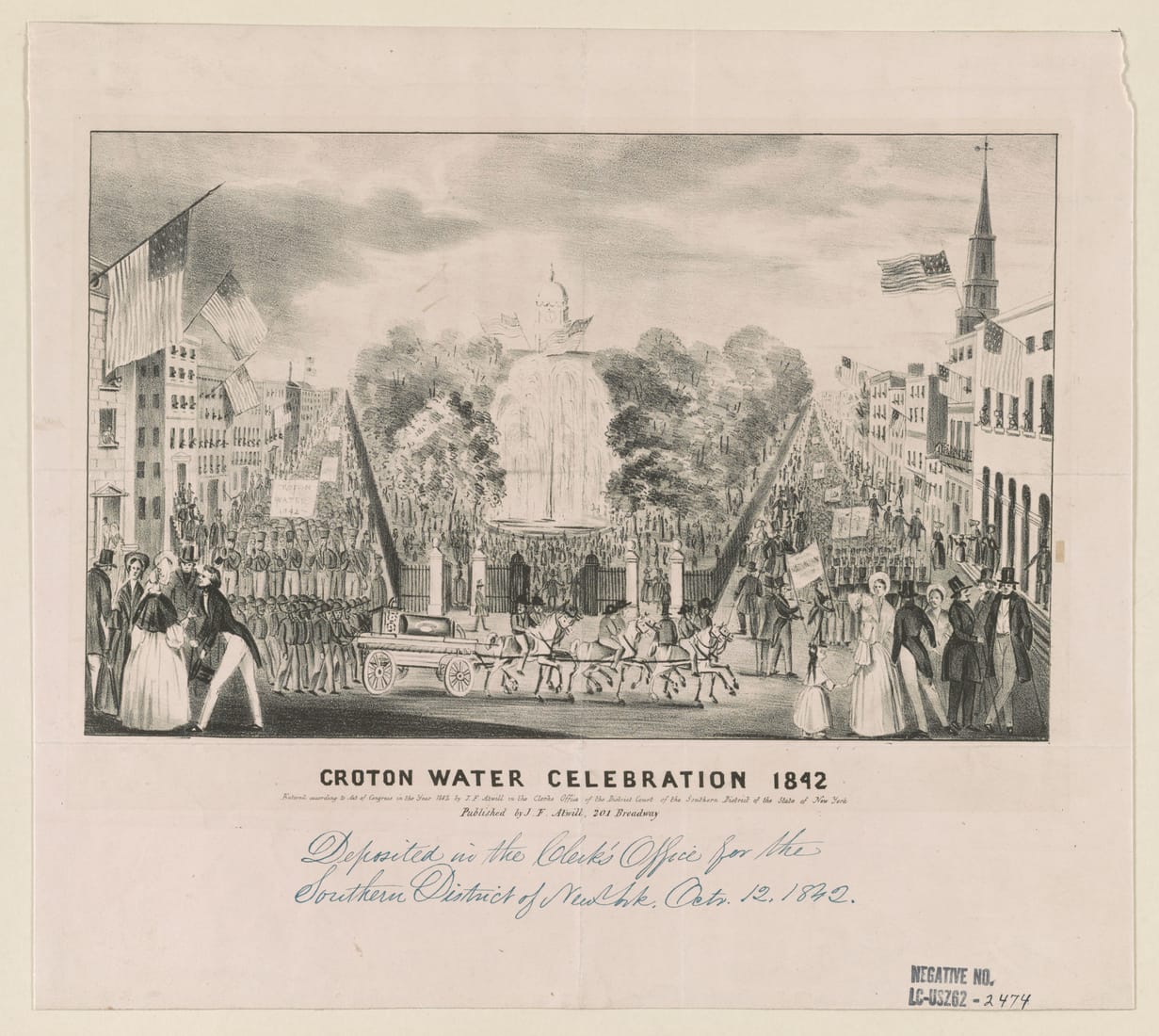
Opened October 14, 1842 The Croton Aqueduct Before it, New York drank from foul wells and watched fires burn for want of water. The Croton Aqueduct brought clean water 41 miles by gravity, and the city threw a party.
1811 The Commissioners’ Grid Three men and a young surveyor drew a relentless rectangle over Manhattan, 12 avenues and 155 streets, and explained that right angles were simply cheaper to build. It is why the city looks the way it does.
1990 The Deadliest Year New York hit a record 2,245 murders in 1990, about six a day. Then crime fell for a generation. Why it fell is still one of the city’s great arguments. Or browse all seven eras
-
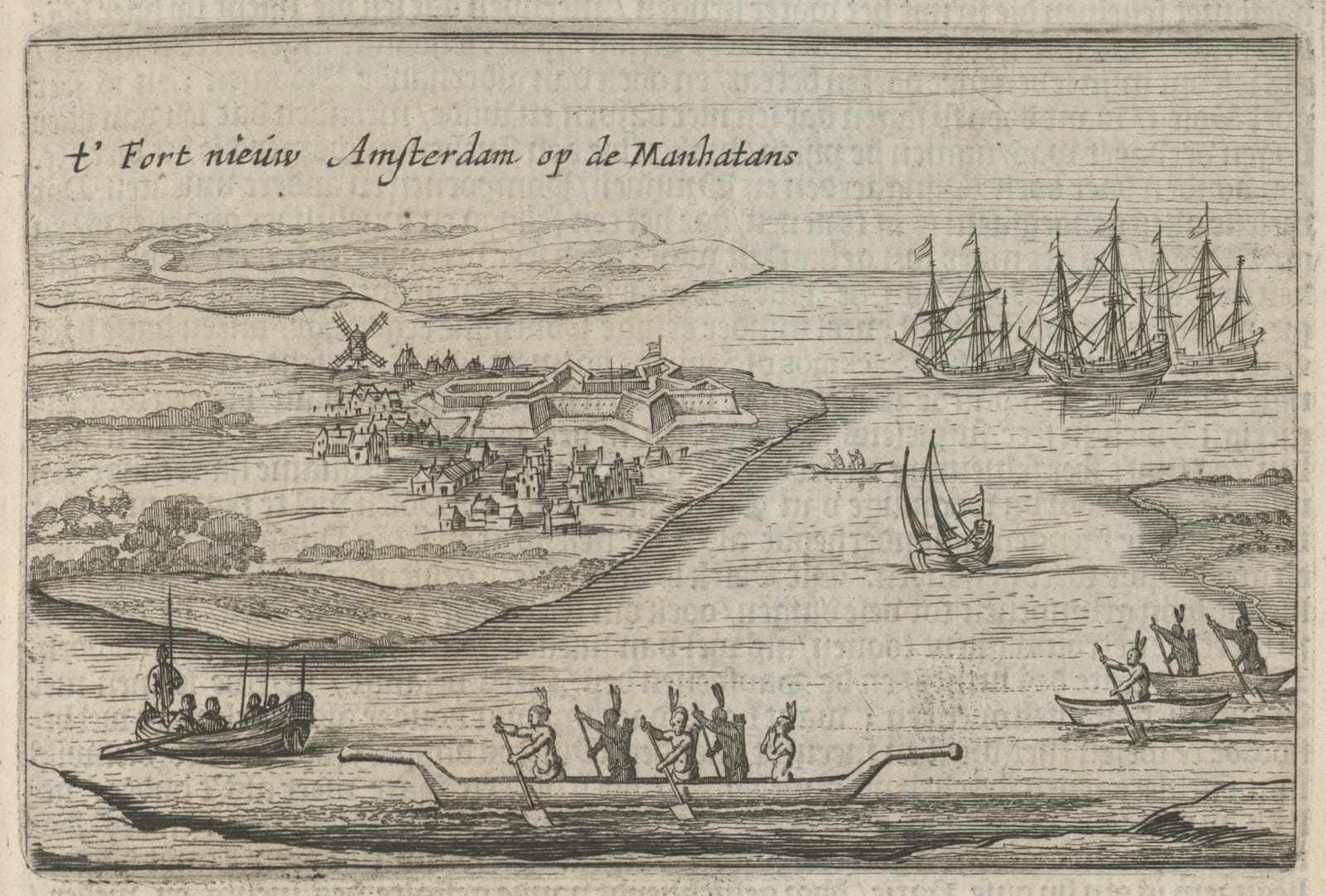
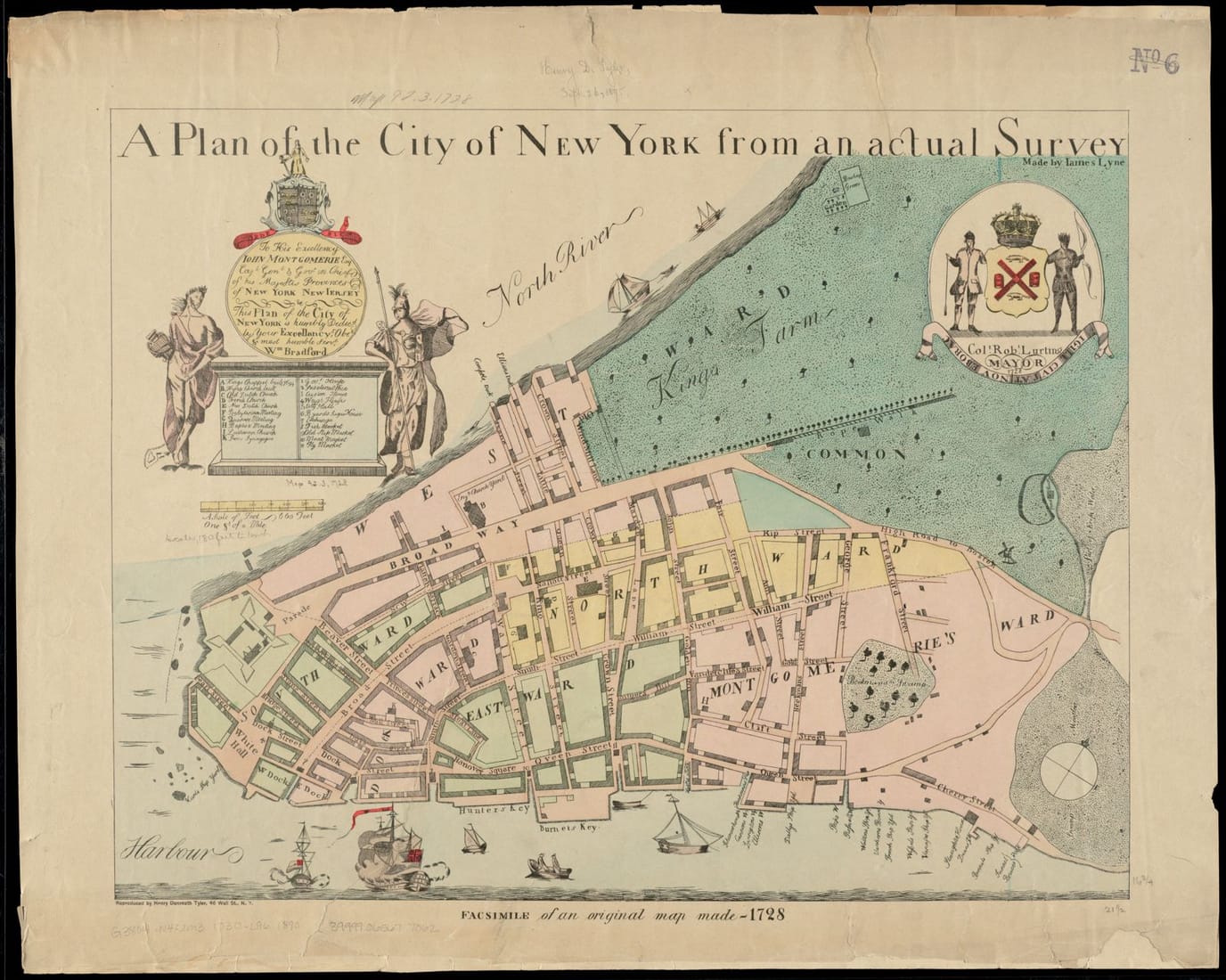
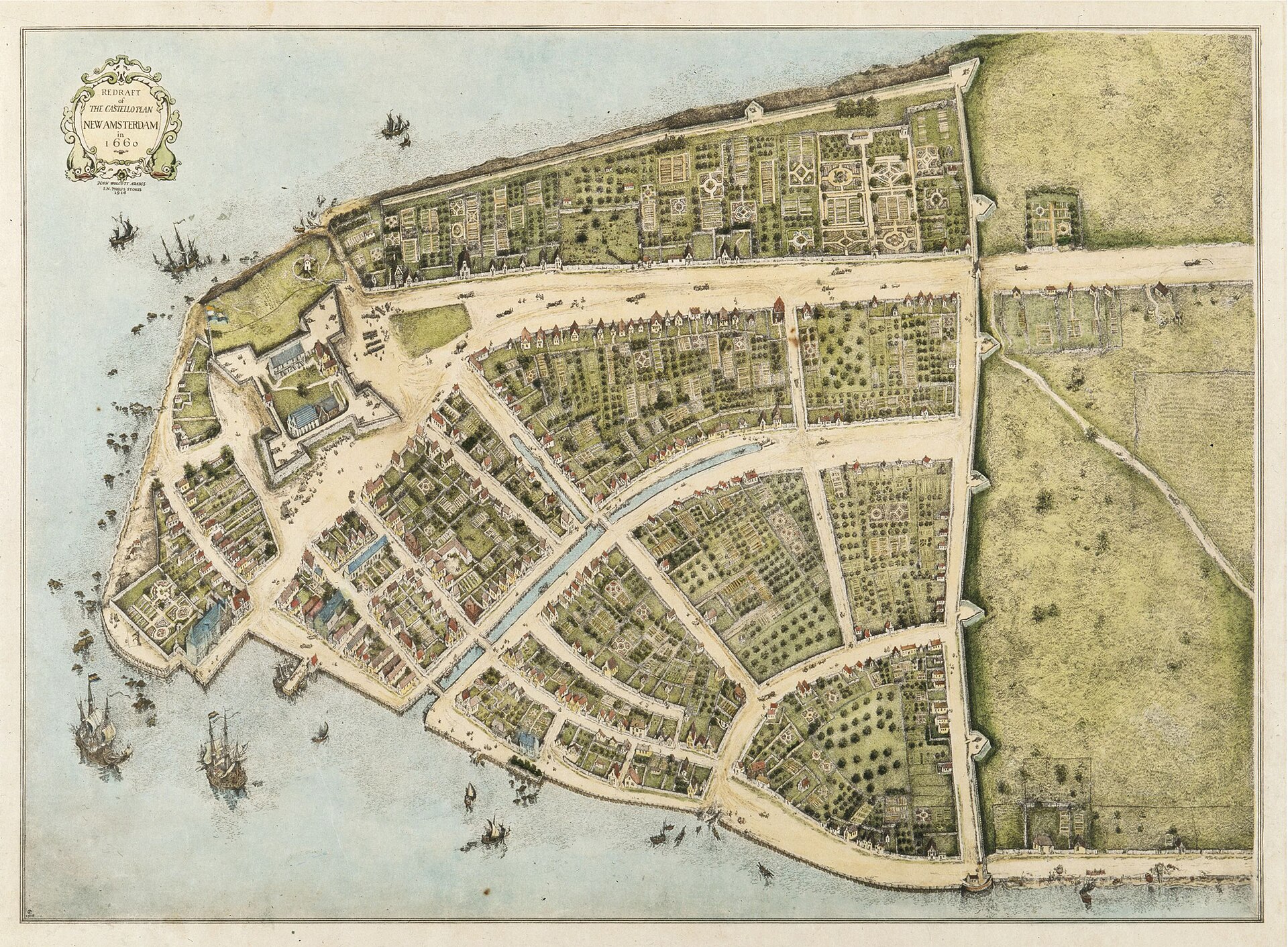
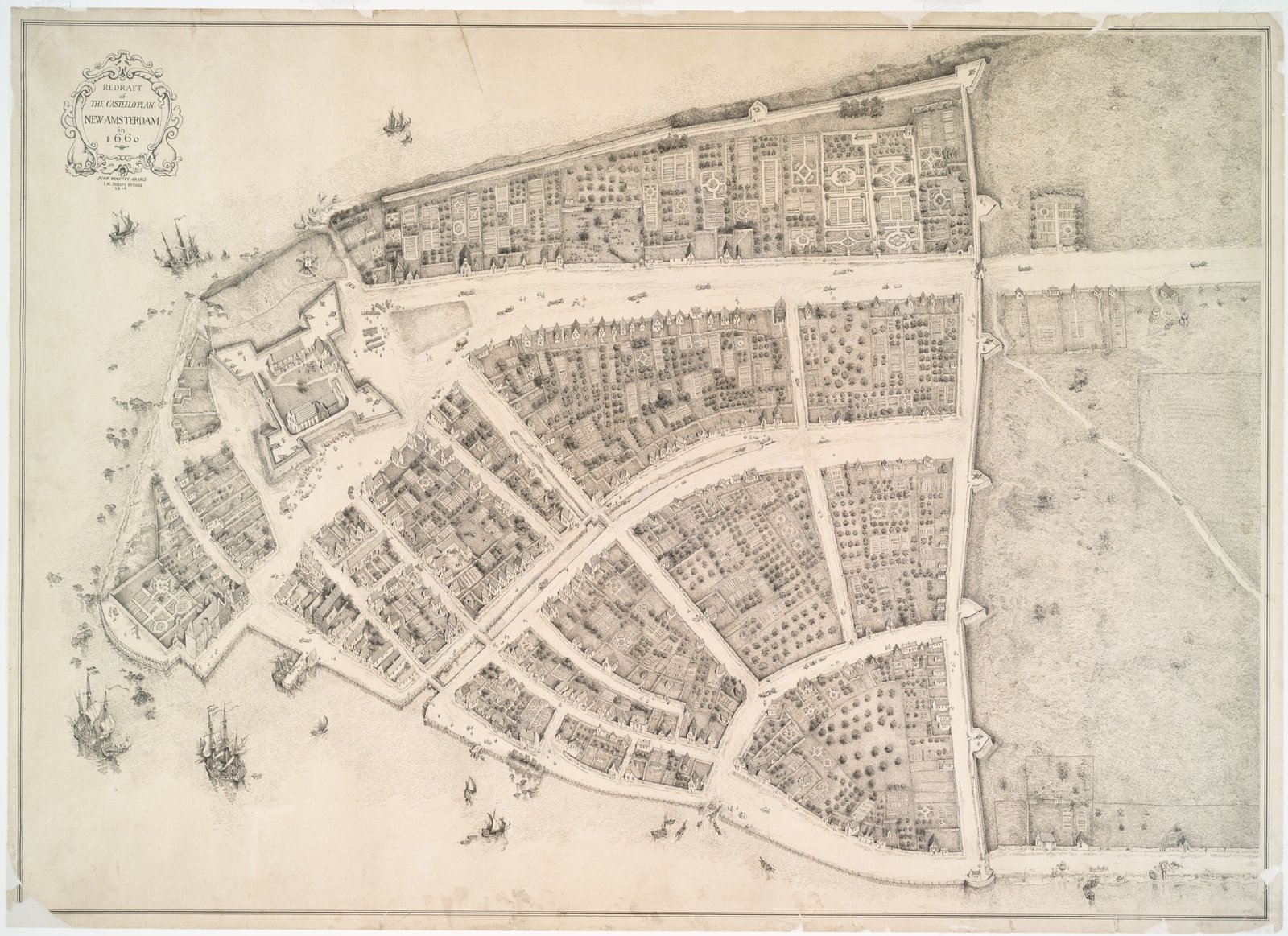
to 1664 Lenapehoking & New Amsterdam Before it was New York it was Lenapehoking, then a Dutch trading post at the tip of Manhattan. The record opens with a "purchase" that was nothing of the kind, a war on the people who were already here, and a tolerance the colony had to force on its own governor. 8 sources, from “Hudson Meets 'Loving People'” to “The Bloodless Takeover”
-
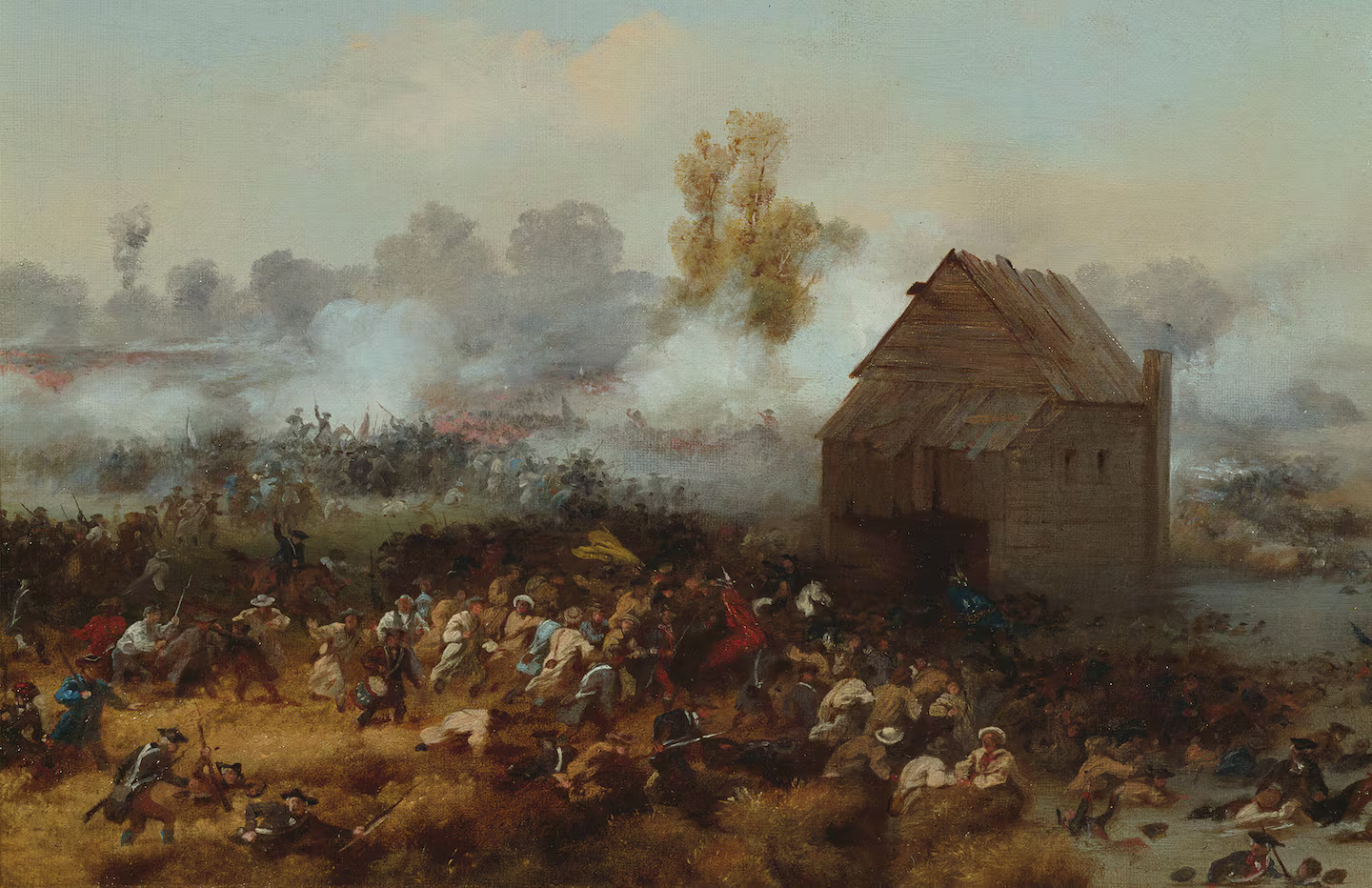
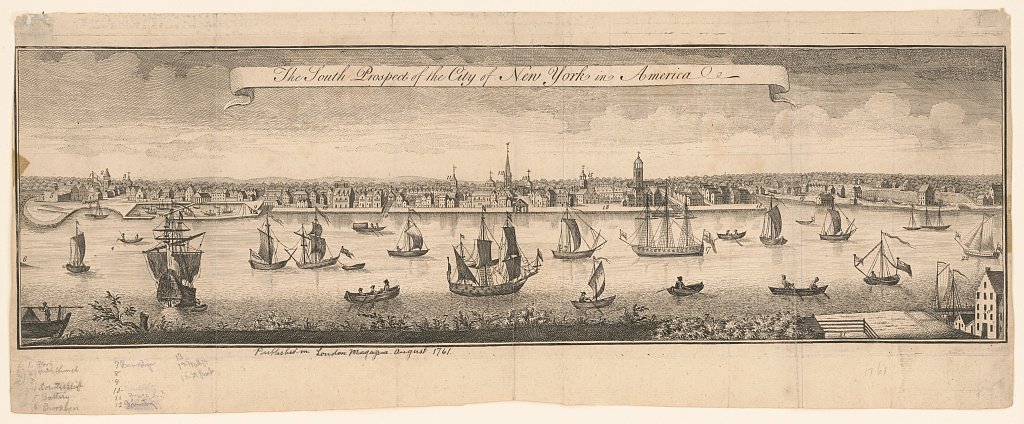
1664–1783 The Colonial City & the Revolution A century under the British crown that ended in revolution. The city gave America an early case for a free press, a panic that sent dozens to the gallows and the stake, a brutal seven-year occupation, and Washington’s tearful goodbye in a Pearl Street tavern. 7 sources, from “Zenger Acquitted, Press Freed” to “Washington’s Farewell”
-
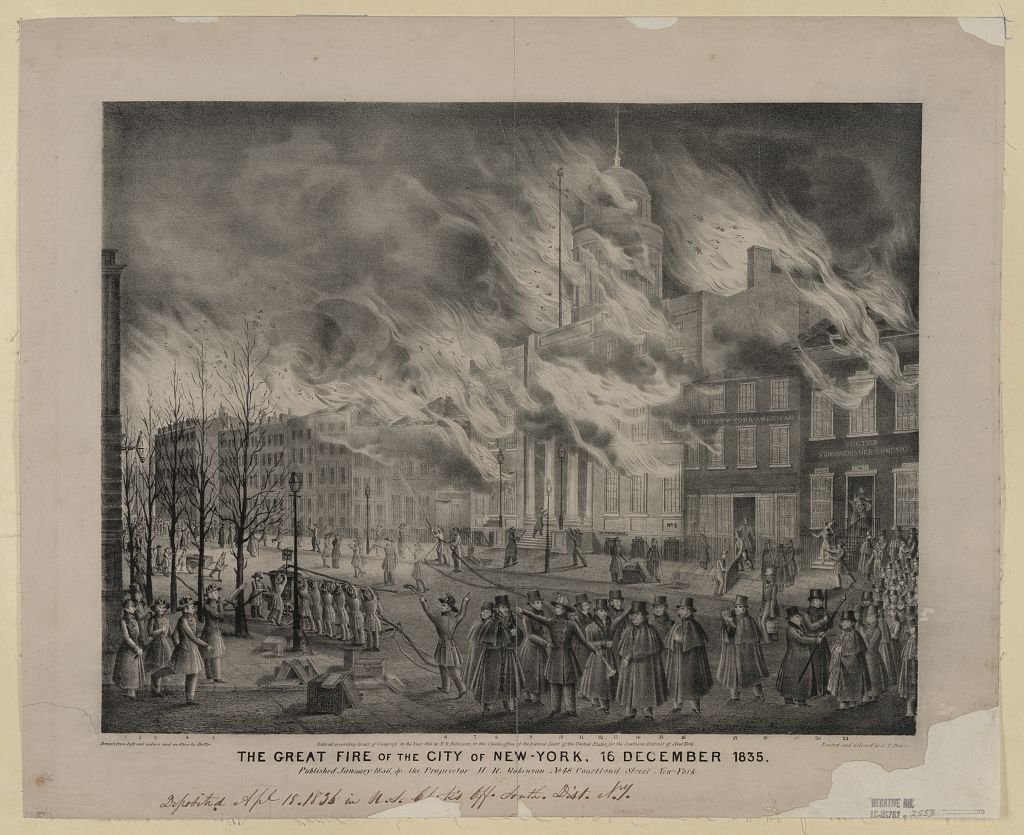
1783–1860 The Empire City Rises Capital, canal, and grid. In two generations New York wired itself to a continent, inaugurated the first president, freed the last enslaved people in the state, and built the water main and the park that made the modern city livable. It also built the slum that became a byword for poverty. 8 sources, from “Washington’s First Oath” to “A Park for Everybody”
-
1860–1898 War, Machine & Bridge War came home in the deadliest riot in American history, a political machine ran the city for its own profit, and a bridge redrew the skyline. The age that raised the Statue of Liberty also perfected the tenement, and the cartoon that brought down a boss. 7 sources, from “The Colored Orphan Asylum Burns” to “Greater New York Is Born”
-
1898–1945 The Modern Metropolis The subway, the skyscraper, and a factory fire that changed how America treats its workers. Five boroughs became one machine, women won the vote, Harlem became the capital of Black culture, and a mayor read the funnies on the radio so kids wouldn’t miss them. 12 sources, from “The Mayor Drives the Subway” to “The Mayor Reads the Comics”
-
1945–1980 Crisis & Reinvention The city almost died, then reinvented the culture of the world. A planner with a "meat ax," a writer who stopped him, an uprising at a Village bar, a near-bankruptcy summed up in one tabloid headline, a blackout, and a back-to-school party in the Bronx that started hip-hop. 8 sources, from “Moses and the Meat Ax” to “A Night of Terror”
-
1980–today Comeback & the 21st Century From the deadliest year on record to the morning that changed everything, and back. A plague the government ignored, a crime wave and the argued-over comeback that followed, the towers, a protest that gave the country a phrase, and a storm tide up the avenues. 8 sources, from “1,112 and Counting” to “Sandy’s Surge”
The next chapter is being written now.
We read every newsroom in New York and the state each morning and explain what it means. The history above is why the daily brief reads the way it does. Get it free.
Free to start. The unsubscribe link actually works.