The Modern Metropolis · October 27, 1904
The First Subway
The mayor took the controls of the first train and refused to give them back. The subway he drove would build the Bronx, Brooklyn, and Queens.
The facts
- When
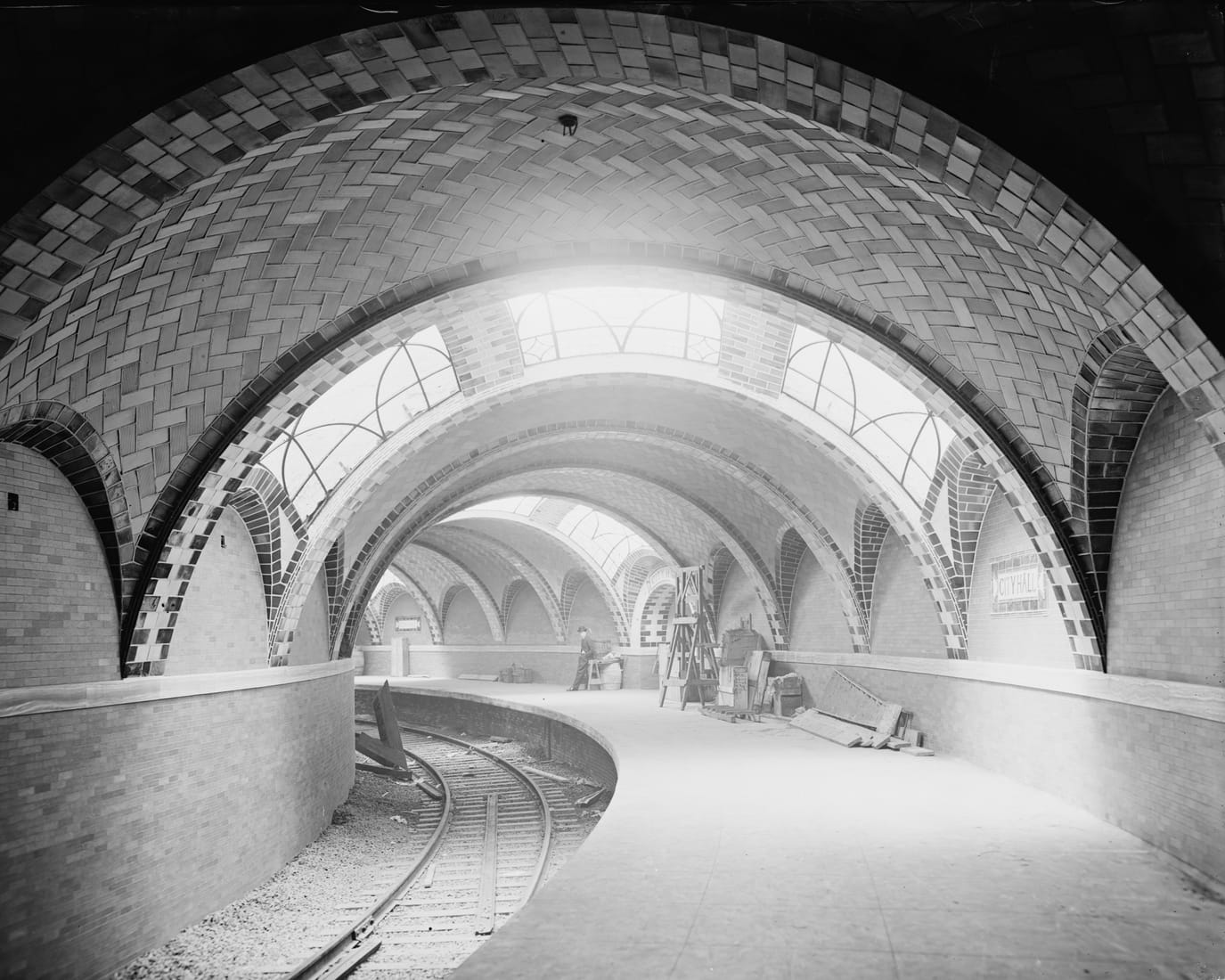
- October 27, 1904; the first train left City Hall at 2:35 p.m.
- The line
- City Hall to 145th Street, about 9.1 miles, 28 stations
- The fare
- A nickel
- Opening day
- About 150,000 riders; some 350,000 the next full day
- Who built it
- The Interborough Rapid Transit Company, financed by August Belmont, engineered by William Barclay Parsons; about $35 million
- The danger
- A single 1903 tunnel collapse killed ten; no reliable total was ever kept
The mayor was supposed to start the first subway train and then hand it off, the way officials cut ribbons. Instead George McClellan grabbed the controller and refused to let go, driving it himself from City Hall to 103rd Street, hitting forty miles an hour on Broadway. New York had scoffed at a subway as impossible for years. On opening night about 150,000 people went underground anyway, in what the Times called "carnival night in New York." It was a private gamble, financed by August Belmont, built by cut-and-cover trenching that tore up the streets and killed workers in explosions and collapses. And it changed the shape of the city. Within a month the line pushed into the Bronx, and the farmland at the end of the tracks started filling with people.
In their words
The event in the voices and documents of the people who were there. Every source links out so you can check it.
-
Newspaper
McClellan was meant only to start the train. He drove it to 103rd Street before yielding to the instructor.
No, Sir! I’m running this train!
Mayor George B. McClellan, refusing to give up the controls, reported by The New York Times, October 28, 1904
The papers nicknamed him the "Mayor-Motorman."
Source: nycsubway.org (the 1904 New York Times) -
Speech
Belmont framed the subway as a privately financed gamble taken on the city’s behalf.
It was a new and untried venture. No one had yet been willing to assume the risk.
August Belmont, president of the IRT, at the City Hall opening ceremony, 1904
He then handed the mayor the controller to start the road.
Source: nycsubway.org (the 1904 ceremony transcript) -
Newspaper
"Father Knickerbocker" was the era’s personification of New York.
For the first time in his life, Father Knickerbocker went underground yesterday... he and his children, to the number of 150,000, amid the tooting of whistles and the firing of salutes, for a first ride in a subway which for years had been scoffed at as an impossibility.
The New York Times, "Our Subway Open: 150,000 Try It," October 28, 1904
The same coverage called it "carnival night in New York," with police reserves managing the crowds at the terminals.
Source: nycsubway.org (the 1904 New York Times front page) -
Document
The build was genuinely dangerous; a 1902 Park Avenue dynamite blast also killed about five.
Ten workers died on October 24, 1903, when a boulder gave way after blasting in the Fort George tunnel near 193rd Street, the single deadliest event of the subway’s construction.
Accounts of the 1903 Fort George tunnel collapse
No accurate aggregate death toll was ever kept, so be wary of any confident single number.
Source: My Inwood -
Document
The romantic "almost," 34 years before the real subway.
Alfred Ely Beach’s 1870 pneumatic transit was a 300-foot, one-block tube under Broadway, a single car shuttling to a dead end at a 25-cent fare; it ran as a paid curiosity until 1873 and was never a working transit line.
The Beach Pneumatic Transit, 1870–1873
It is often called the first subway. It was a one-block demonstration that closed within three years.
Source: New-York Historical Society
What people get wrong
-
The myth The first subway was Beach’s 1870 pneumatic tube.
What’s true Beach’s tube was a 300-foot, one-block demonstration that shuttled a single car to a dead end at 25 cents a ride, and it closed within three years. The first real subway came 34 years later.
-
The myth McClellan just ceremonially started the train.
What’s true He refused to hand off, drove it himself to 103rd Street at up to forty miles an hour, and only then yielded to the instructor. The papers called him the Mayor-Motorman.
-
The myth Nobody really got hurt building it.
What’s true A 1902 Park Avenue dynamite blast killed about five; a 1903 tunnel collapse killed ten. The IRT kept no honest cumulative total, so be wary of any single number.
What it changed
- Within a month the line reached the Bronx, whose population then exploded as Lower East Side families moved north.
- The 1913 Dual Contracts doubled the system into the outer reaches of the Bronx, Brooklyn, and Queens, turning farmland into neighborhoods.
- It opened more land for development than any prior moment in the city’s history.
- McClellan’s own prophecy held: without rapid transit, he said, "Greater New York would be little more than a geographical expression."
The New York Shelf
Read the whole story
Paid links. If you buy a book through these links, Bookshop.org pays us a small commission and sends a share of the sale to independent bookstores.
-
The history
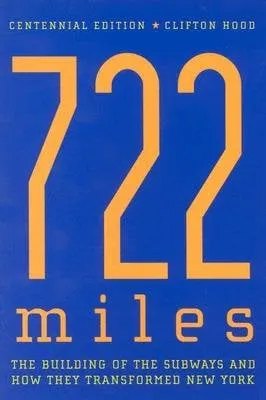
722 Miles (opens Bookshop.org)
Clifton Hood · 1993
The subway from its 1904 opening through the unification of the lines in 1940, with the politics of financing them and their effect on neighborhoods.
-
The history
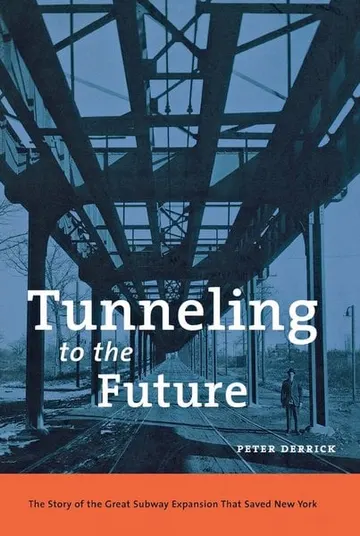
Tunneling to the Future (opens Bookshop.org)
Peter Derrick · 2001
Derrick's subject is the Dual Contracts of 1913, which doubled the subway network, and the engineering and finance behind that expansion.
-
The history
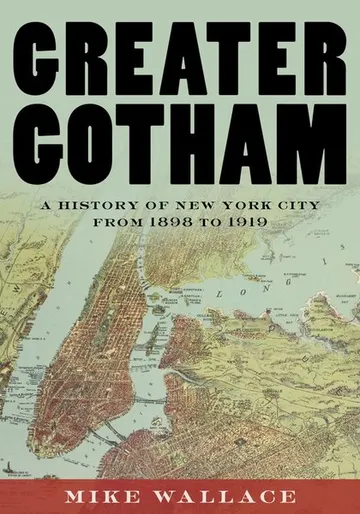
Greater Gotham (opens Bookshop.org)
Mike Wallace · 2017
Wallace picks up at consolidation and runs through the First World War, covering the subways, skyscrapers, immigration, labor fights and the birth of modern city politics.
The city is still writing this.
Four centuries end at this morning’s news. The daily brief picks up where the history leaves off: what changed in New York today and what it means, explained by breakfast.
Free. One email each morning. One-click unsubscribe. Never sold.