
The Modern Metropolis · October 1929
The Crash of 1929
The week the bottom fell out of Wall Street. The bankers called it "a little distress selling." The leaping-broker suicides were mostly a myth. The Depression was not.
The facts
- The peak
- September 3, 1929: the Dow hit 381, the top of the 1920s boom
- Black Thursday
- October 24: panic selling, a record 12.9 million shares, steadied for a day by the bankers
- Black Tuesday
- October 29: the worst day, 16.4 million shares; the two-day slide erased about $30 billion
- The bottom
- Stocks kept falling until July 1932, down about 90 percent from the peak
- The bankers
- J.P. Morgan’s Thomas Lamont, the NYSE’s Richard Whitney, National City’s Charles Mitchell
- The aftermath
- A third of the city’s workers jobless by 1932, and a shantytown in Central Park
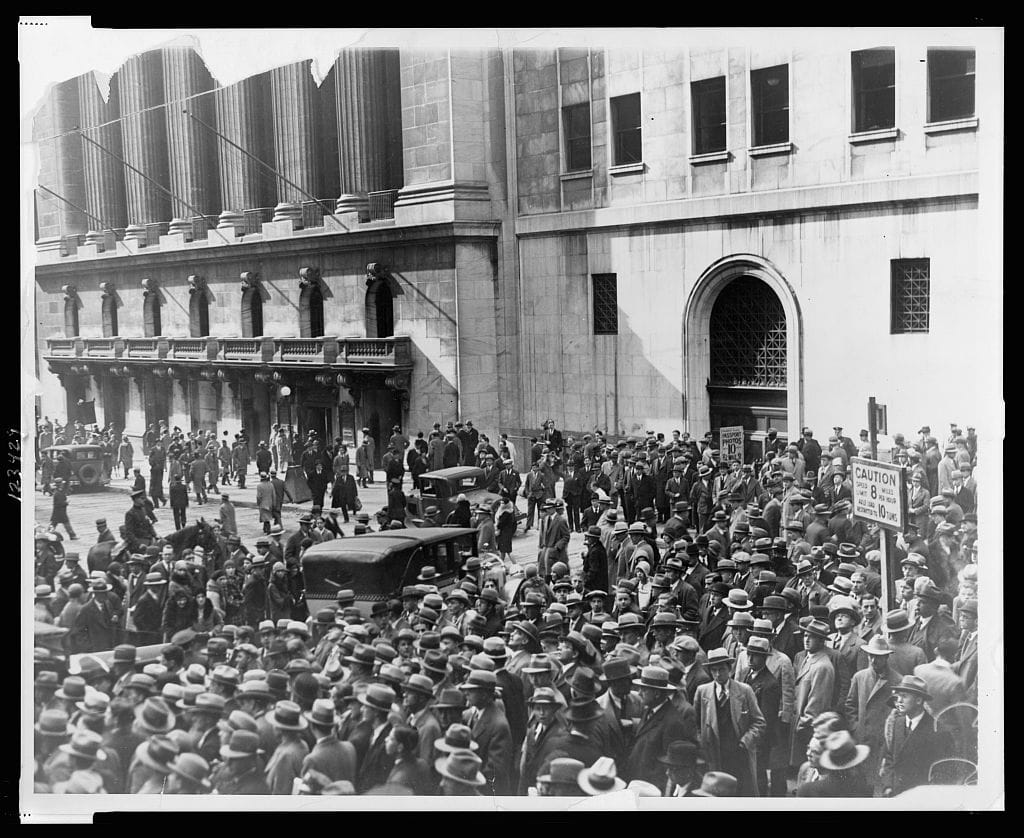
The 1920s boom ended on the floor of the New York Stock Exchange at 11 Wall Street. On Black Thursday, October 24, 1929, the market went into free fall, and a group of the city’s most powerful bankers met across the street at J.P. Morgan to organize a rescue. Their man Richard Whitney strode onto the floor and bid for U.S. Steel above the market, and for one afternoon it worked. It did not hold. The following Tuesday, October 29, was the worst single day the exchange had ever seen. The legend of that autumn is ruined speculators leaping from Wall Street windows, and it is mostly a myth: the city’s medical examiner counted fewer suicides that month than the year before. What was real came slower and ran deeper. Stocks fell for three more years, a third of New York was out of work by 1932, and a shantytown called Hoover Valley rose on the drained reservoir in Central Park.
In their words
The event in the voices and documents of the people who were there. Every source links out so you can check it.
-
Document
The bankers met at 23 Wall Street as the market collapsed. Lamont’s understatement became the textbook line of the crash.
There has been a little distress selling on the Stock Exchange, and we have held a meeting of the heads of the financial institutions to see what can be done.
Thomas Lamont of J.P. Morgan, to reporters during the Black Thursday panic, October 1929
Sources split on whether he said it the evening of October 23 or midday on the 24th, in slightly different forms.
Source: Britannica; John Kenneth Galbraith, The Great Crash, 1929 -
Testimony
Whitney bid about $5 above the last sale for U.S. Steel, loudly and in plain sight, to signal confidence. The rally it sparked lasted one afternoon.
I bid 205 for 10,000 Steel.
Richard Whitney, vice president of the NYSE, buying for the bankers’ pool on Black Thursday, October 24, 1929
This is the famous retelling, not a transcript. The man who "saved" the market that day was himself sent to Sing Sing for embezzlement in 1938.
Source: Galbraith, The Great Crash, 1929; HistoryNet -
Newspaper
Show-business slang for a flop. The trade paper’s wisecrack outlived every sober headline of the day.
WALL ST. LAYS AN EGG
Variety, front-page headline, October 30, 1929
Source: Variety (the issue is held by the Library of Congress) -
Newspaper
It was a joke. Repeated as fact, it helped manufacture the legend of the leaping brokers.
When Wall Street took that tail spin, you had to stand in line to get a window to jump out of, and speculators were selling space for bodies in the East River.
Will Rogers, syndicated column, late October 1929
Source: History.com -
Document
The historian who made the 1929 story canonical also debunked its most durable image.
In the United States, the suicide wave that followed the stock market crash is also part of the legend of 1929. In fact, there was none.
John Kenneth Galbraith, The Great Crash, 1929 (1955)
Source: John Kenneth Galbraith, The Great Crash, 1929 -
Document
Unemployed stoneworkers built a sturdy shack of native park rock. The crash that started at the Stock Exchange ended in a slum in the middle of the park.
A shantytown the residents called Hoover Valley, its main row named Depression Street, rose on the drained Lower Reservoir in Central Park, the future Great Lawn, and stood from 1930 to 1933.
The Central Park "Hooverville," 1930-1933
Source: Central Park Conservancy
What people get wrong
-
The myth Ruined speculators leapt from Wall Street windows in droves.
What’s true There was no suicide wave. New York’s chief medical examiner recorded 44 suicides in Manhattan in the four weeks around the crash, fewer than the 53 in the same weeks of 1928. Of the crash-linked deaths reported, only a couple were Wall Street plunges.
-
The myth The crash caused a spike in suicides.
What’s true The U.S. suicide rate was already climbing through the late 1920s and peaked in 1932, not 1929. The four-year rise tracked the whole Depression, not the October panic. The "bodies in the street" image traces to jokes by Will Rogers and Eddie Cantor.
-
The myth The Crash single-handedly caused the Great Depression.
What’s true It was a trigger and a symptom, not the sole cause. Bank failures, a collapsing money supply, the gold standard, Federal Reserve missteps, and the Smoot-Hawley tariff did the deeper damage, over years. New York’s worst came in 1932 and 1933.
What it changed
- Stocks did not bottom until July 1932, down about 90 percent from the 1929 peak. The Dow did not regain that peak until 1954.
- By 1932 about a third of New York City’s workers were unemployed and 1.6 million New Yorkers were on relief.
- The Senate’s Pecora hearings put Wall Street on the stand and led to the Glass-Steagall Act and the creation of the Securities and Exchange Commission in 1934.
- Richard Whitney, who "saved" the market on Black Thursday and went on to run the exchange, was convicted of embezzlement in 1938 and sent to Sing Sing.
The New York Shelf
Read the whole story
Paid links. If you buy a book through these links, Bookshop.org pays us a small commission and sends a share of the sale to independent bookstores.
-
The history
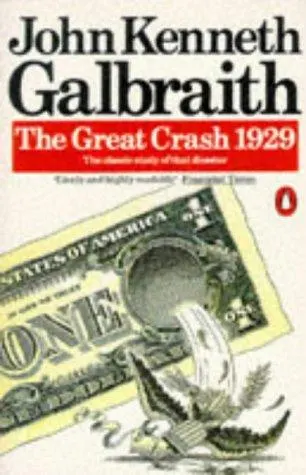
The Great Crash 1929 (opens Bookshop.org)
John Kenneth Galbraith · 1955
Galbraith's short account of the stock market boom and the crash of October 1929 focuses on speculation, margin lending and the failures of the bankers.
-
The history
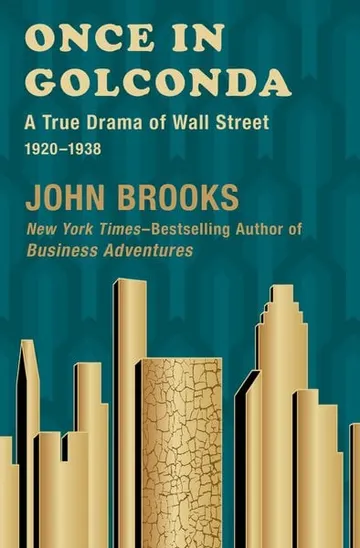
Once in Golconda (opens Bookshop.org)
John Brooks · 1969
Brooks follows Wall Street from the 1920s boom through the crash to the 1938 scandal that ended the career of the exchange's president, Richard Whitney.
The city is still writing this.
Four centuries end at this morning’s news. The daily brief picks up where the history leaves off: what changed in New York today and what it means, explained by breakfast.
Free. One email each morning. One-click unsubscribe. Never sold.