
The Modern Metropolis · 1920 to 1933
Prohibition in New York
The wettest city in dry America. New York had tens of thousands of speakeasies, stopped enforcing the law a decade early, and turned bootlegging into big organized crime.
The facts
- The span
- National Prohibition began January 1920; the 21st Amendment repealed it in December 1933
- The speakeasies
- Estimates range wildly, commonly 30,000 to 100,000 in the city. Nobody counted
- The famous agents
- Izzy Einstein and Moe Smith, masters of disguise, made nearly 5,000 arrests
- The nightclub queen
- Texas Guinan, who greeted her customers "Hello, sucker!"
- The early surrender
- New York repealed its own enforcement law, the Mullan-Gage Act, in 1923
- The real result
- Drinking went underground and organized crime got rich
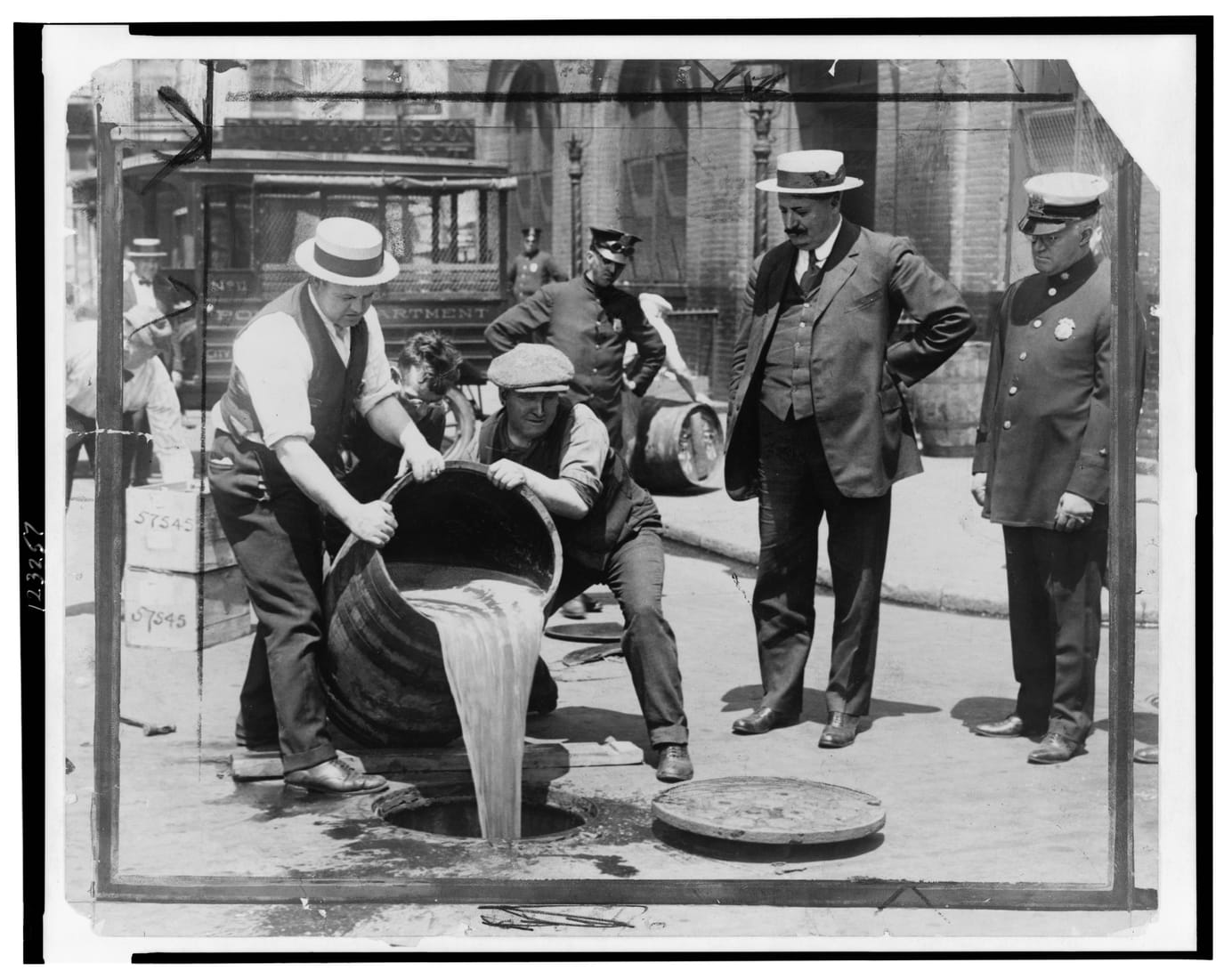
Prohibition arrived in 1920, and New York barely pretended to go along. The city filled with speakeasies, somewhere between thirty thousand and a hundred thousand of them depending on whose guess you trust, and the law became a national joke that New Yorkers told loudest. The nightclub queen Texas Guinan greeted the swells with "Hello, sucker!" The "21" Club hid its bottles behind a two-ton brick door. Two paunchy federal agents, Izzy Einstein and Moe Smith, became celebrities by raiding speakeasies in costume. In 1923, under Governor Al Smith, New York repealed its own enforcement law and left the job to a few hundred federal agents. The deeper legacy was not the fun. Banning a drink the city refused to give up handed a fortune to bootleggers and built the organized crime that outlived Repeal by decades.
In their words
The event in the voices and documents of the people who were there. Every source links out so you can check it.
-
Document
Guinan ran the El Fey and the 300 Club. The line both flattered and mocked the moneyed crowd paying speakeasy prices.
Hello, sucker!
Texas Guinan, the nightclub queen, greeting patrons at her New York clubs (in print by 1926)
Source: Texas Guinan (documented) -
Document
Einstein and Moe Smith infiltrated speakeasies in disguise, ordered a drink, then made the arrest with this line.
There’s sad news here. You’re under arrest.
Prohibition agent Izzy Einstein, his line on springing a raid, recounted in his memoir
Wording varies across tellings. It comes from their own and contemporaries’ accounts, not a court transcript.
Source: U.S. Bureau of Alcohol, Tobacco, Firearms and Explosives, historical article -
Document
They were the most famous Prohibition agents in the country, a press sensation precisely because two ex-postal clerks outsmarted the trade.
Between 1920 and their dismissal in 1925, Izzy Einstein and Moe Smith made about 4,932 arrests, with a near 95 percent conviction rate, using more than 100 disguises, from gravedigger to opera singer. They once posed as convention delegates and found only soda served.
The service record of agents Izzy Einstein and Moe Smith
They were the exception. Of roughly 18,000 federal agents hired over the era, nearly 14,000 were eventually dismissed, many for corruption.
Source: Records compiled at Wikipedia -
Document
With the repeal, New York stopped enforcing Prohibition with its own 25,000 officers and dumped the job on a few hundred federal agents. The pro-forma warning fooled no one.
This repeal does not in the slightest degree lessen the obligation of peace officers of the State to enforce in its strictest letter the Volstead act.
Governor Al Smith, on signing the repeal of New York’s Mullan-Gage enforcement law, June 1, 1923
Source: American Heritage -
Document
The city’s top cop publicly conceding the law was unenforceable, the same year the state gave up its own enforcement.
The federal prohibition laws have neither the support nor the respect of the public and the efforts of the Police Department to enforce them were met with obstruction on every hand.
NYC Police Commissioner Richard Enright, 1923
Source: NYC Department of Records (Municipal Archives) -
Speech
La Guardia made New York’s anti-Prohibition case in Congress. He once brewed legal "near beer" into real beer in front of reporters to mock the law.
Prohibition cannot be enforced for the simple reason that the majority of the American people do not want it to be enforced and are resisting its enforcement.
Representative Fiorello La Guardia, 1926
Source: NYC Department of Records (Municipal Archives)
What people get wrong
-
The myth There were exactly 32,000 speakeasies in New York.
What’s true Every such figure is an estimate of hidden, illegal businesses, and they range from about 30,000 to 100,000. Nobody ran a census of speakeasies. Treat any precise number as a guess.
-
The myth The 18th Amendment banned drinking.
What’s true It banned the manufacture, sale, and transport of liquor, not possession or drinking. Liquor you already owned was legal, which is why the wealthy stockpiled before it took effect.
-
The myth Prohibition dried out New York.
What’s true It drove drinking underground and made it fashionable, and it handed the liquor trade to organized crime. The "noble experiment" is the textbook case of a ban that backfired.
What it changed
- The "21" Club kept its camouflaged bar and the two-ton brick door to its hidden wine cellar in working order, and operated until 2020.
- The bootlegging fortune of the 1920s organized and financed the crime networks that moved into other rackets after Repeal.
- Al Smith rode the anti-Prohibition cause to the 1928 Democratic presidential nomination, the first Catholic nominee of a major party.
- The speakeasy, where men and women drank together in public, reshaped New York nightlife, and the cocktail outlived the law that created it.
The New York Shelf
Read the whole story
Paid links. If you buy a book through these links, Bookshop.org pays us a small commission and sends a share of the sale to independent bookstores.
-
The history
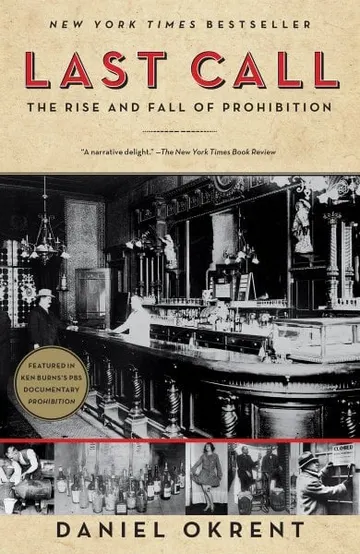
Last Call (opens Bookshop.org)
Daniel Okrent · 2010
Okrent's history of Prohibition runs from the temperance movement to repeal, with New York's speakeasies, bootleggers and politicians among the cast.
-
The history
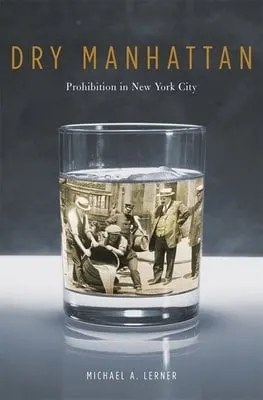
Dry Manhattan (opens Bookshop.org)
Michael A. Lerner · 2007
Lerner shows how the city's police, politicians and drinkers resisted Prohibition, and how enforcement broke down.
The city is still writing this.
Four centuries end at this morning’s news. The daily brief picks up where the history leaves off: what changed in New York today and what it means, explained by breakfast.
Free. One email each morning. One-click unsubscribe. Never sold.