
Crisis & Reinvention · June 28 – July 3, 1969
The Stonewall Uprising
The police raided a Mafia-run gay bar on Christopher Street, as they always did. This time the bar fought back, and a movement was born. Almost everything else you have heard is contested.
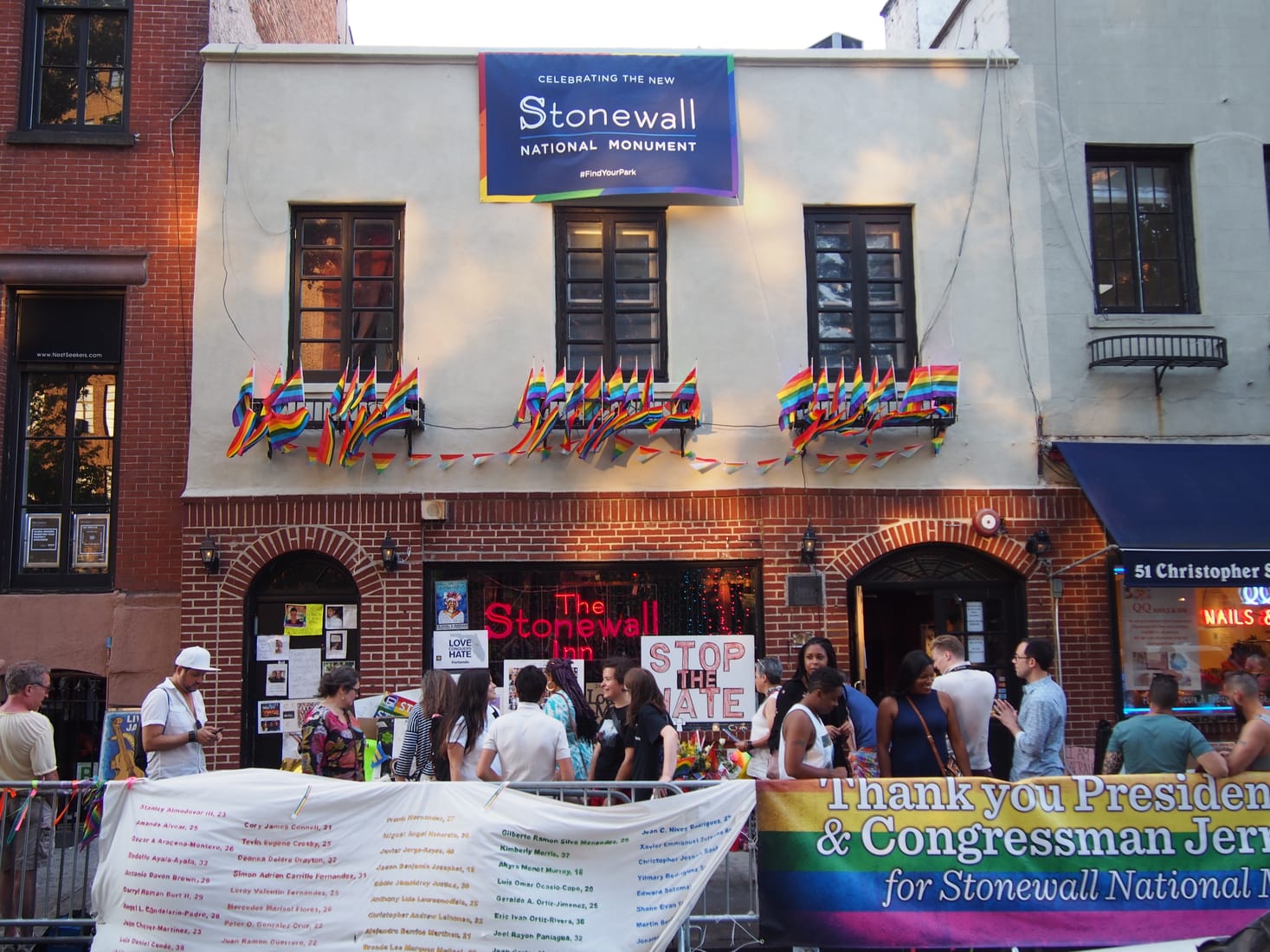
The facts
- When
- The raid began about 1:20 a.m. on Saturday, June 28, 1969; the unrest ran on and off through July 3
- Where
- The Stonewall Inn, 51–53 Christopher Street, Greenwich Village
- The bar
- Run by the Genovese crime family, with no liquor license, surviving on payoffs to the local NYPD precinct
- The clientele
- Gay men, lesbians, drag queens, trans people, and homeless youth, many young and poor; the trans women and street kids of color were central to the resistance
- That night
- 13 arrested, 4 officers injured, no deaths
- One year later
- The first Pride march, June 28, 1970
On a Friday night in June 1969, the police raided a Mafia-run gay bar on Christopher Street, the way they regularly raided gay bars. This time the bar fought back. The clientele, gay men and lesbians and drag queens and trans women and homeless kids, refused to scatter, and the resistance ran on and off for the better part of a week. Almost everything else you have heard is contested: who threw the first brick, who was even there on the first night. The honest version is that it was a leaderless crowd in the dark, and no single act or person started it. What is not in doubt is what came after. One year later the first Pride march filled the streets from the Village to Central Park, and the modern movement was born.
In their words
The event in the voices and documents of the people who were there. Every source links out so you can check it.
-
Oral history
Johnson, a Black trans activist, became one of the most important figures of the uprising and its aftermath.
The way I winded up being at Stonewall that night, I was having a party uptown. And I didn’t get downtown until about two o’clock. And we were all out there... Cuz when I got downtown the place was already on fire and it was a raid already.
Marsha P. Johnson, interviewed by historian Eric Marcus, recorded January 24, 1989
In her own words, she arrived around 2 a.m., after the raid and the fighting had started. The "Marsha threw the first brick" story is folklore she never claimed.
Source: Making Gay History -
Newspaper
One of only two contemporary eyewitness press accounts of the uprising.
Sheridan Square this weekend looked like something from a William Burroughs novel as the sudden specter of "gay power" erected its brazen head... The forces of faggotry, spurred by a Friday night raid on one of the city’s largest, most popular, and longest lived gay bars, the Stonewall Inn, rallied Saturday night in an unprecedented protest.
Lucian Truscott IV, "Gay Power Comes to Sheridan Square," The Village Voice, July 3, 1969
The contemptuous tone and slurs of the Voice’s own coverage later drew protests at the paper.
Source: The Village Voice (CUNY reprint) -
Newspaper
Ginsberg, registering in real time a change in how gay men carried themselves after the raid.
You know, the guys there were so beautiful. They’ve lost that wounded look that fags all had 10 years ago.
Poet Allen Ginsberg, after visiting the Stonewall that weekend, quoted by Truscott in The Village Voice
It is genuinely Truscott’s reporting from that weekend, not a free-floating internet quote.
Source: The Allen Ginsberg Project -
Oral history
The commanding officer of the raid, 35 years later, on the patrons’ unexpected resistance.
When we entered, they weren’t going to go. It was very scary. I had a group of officers completely scared. I’m sorry.
Deputy Inspector Seymour Pine, who led the raid, speaking at the New-York Historical Society, June 2, 2004
These are a reporter’s notes from the panel, not a verbatim audio transcript, but Pine’s apology is well documented.
Source: amNewYork -
Oral history
The defiant Rockettes-style kick line the drag queens formed against the advancing police.
I remember moving into the open space and grabbing onto two of my friends and we started singing and doing a kick line.
Martin Boyce, Stonewall participant, in the PBS documentary "Stonewall Uprising" (2010)
It is one of the most-remembered images of the night: campy defiance in the face of a riot squad.
Source: PBS American Experience
What people get wrong
-
The myth We know who threw the first brick.
What’s true We do not, and serious historians treat the question as flawed. It was a chaotic, leaderless crowd in the dark. Contemporary witnesses credit the first volley to a group of "flame queens, hustlers, and street kids," not one named person.
-
The myth Marsha P. Johnson started it.
What’s true By her own account she arrived after the raid and fire had started. She was present and became a central figure, but did not throw a "first brick." Sylvia Rivera’s presence on the first night is genuinely disputed.
-
The myth Judy Garland’s funeral caused it.
What’s true Historians reject this. As David Carter put it, no eyewitness account of the riots written at the time by an identifiably gay person mentions Garland. The theory began as a mocking newspaper line.
What it changed
- The first Christopher Street Liberation Day march, June 28, 1970, filled the streets from the Village to Central Park, the first Pride march.
- The Gay Liberation Front formed in New York within days, a radical break from the older, quieter homophile groups.
- Marsha P. Johnson and Sylvia Rivera founded STAR, Street Transvestite Action Revolutionaries, in 1970 to house homeless trans youth.
- In 2016 President Obama designated the Stonewall National Monument, the first U.S. national monument to LGBTQ history.
The New York Shelf
Read the whole story
Paid links. If you buy a book through these links, Bookshop.org pays us a small commission and sends a share of the sale to independent bookstores.
-
The history
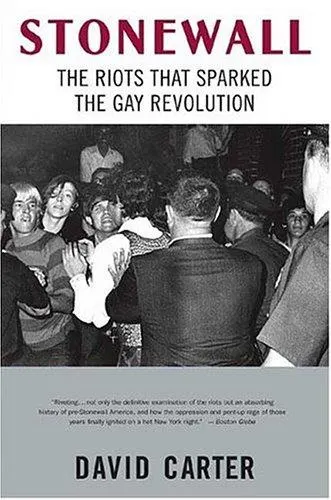
Stonewall (opens Bookshop.org)
David Carter · 2004
Carter reconstructs the June 1969 police raid on the Stonewall Inn and the days of protest that followed, from interviews and police records.
-
The history
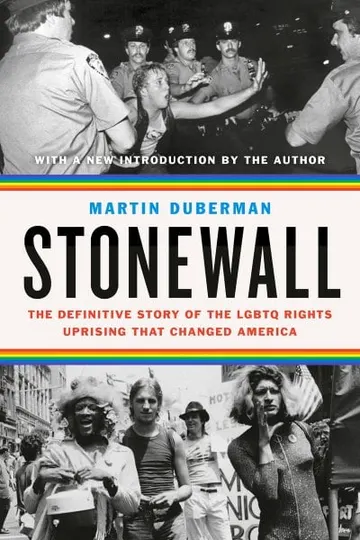
Stonewall (opens Bookshop.org)
Martin Duberman · 1993
Duberman builds the book around six people who lived in the gay New York of the time, and places the night of the riot inside their stories.
-
Reference
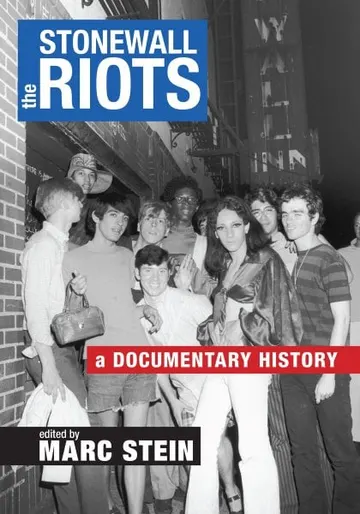
The Stonewall Riots (opens Bookshop.org)
Marc Stein · 2019
Stein collects police reports, newspaper stories, movement flyers and other documents from the raid and the years around it.
-
The history
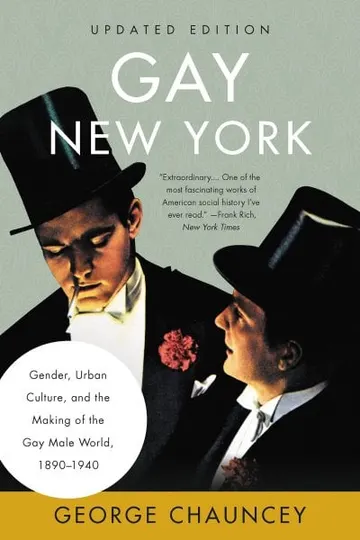
Gay New York (opens Bookshop.org)
George Chauncey · 1994
Chauncey documents the bars, streets, bathhouses and social networks of gay men in New York before the Second World War.
The city is still writing this.
Four centuries end at this morning’s news. The daily brief picks up where the history leaves off: what changed in New York today and what it means, explained by breakfast.
Free. One email each morning. One-click unsubscribe. Never sold.