
Comeback & the 21st Century · 1981-1996
The AIDS Crisis and ACT UP
New York was the epicenter. Tens of thousands died while the government looked away, until grief turned into the most effective protest movement of the city’s modern history.
The facts
- Where
- New York City, the epicenter of the early epidemic in the United States
- First reported
- June 1981
- The toll
- More than 37,000 AIDS cases diagnosed in New York City by 1990, and AIDS became the leading cause of death for the city’s young adults
- Gay Men’s Health Crisis
- Founded 1982, the world’s first AIDS service organization
- ACT UP
- Founded March 1987, the direct-action movement that changed how drugs get approved
- The turn
- Effective combination therapy arrived in 1996
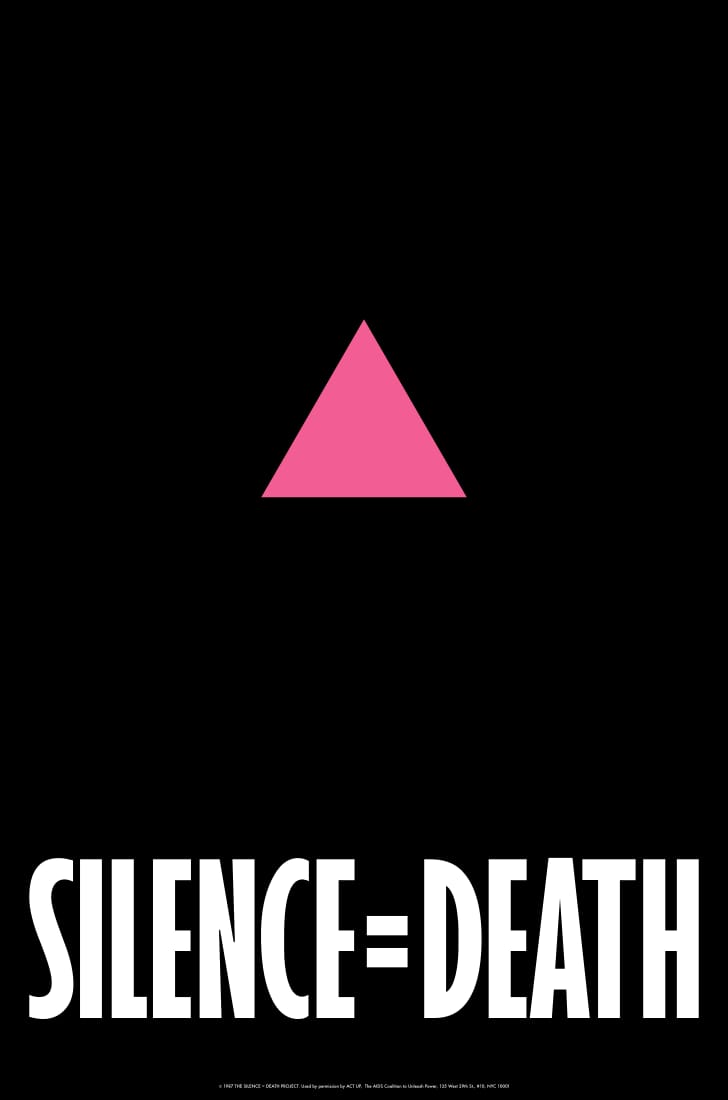
For years the dying happened in near silence. The first cases were reported in 1981, New York became the center of the American epidemic, and the government, the press, and much of the public looked away while young men died by the thousands. What changed it was anger, organized. Larry Kramer helped start Gay Men’s Health Crisis in his apartment in 1982, then in 1987 founded ACT UP, which turned grief into tactics: the die-ins, the Wall Street protest over the price of AZT, the SILENCE = DEATH poster with its pink triangle. They were not polite, and they worked. ACT UP forced the FDA to speed approvals and helped drive down the price of the only drug there was. The medicine that finally turned the tide came in 1996. By then a generation was gone, and the city’s response had rewritten the rules for how patients fight for their own lives.
In their words
The event in the voices and documents of the people who were there. Every source links out so you can check it.
-
Document
The essay that galvanized the early response, naming the rising count when almost no one else would.
If this article doesn’t scare the shit out of you, we’re in real trouble. If this article doesn’t rouse you to anger, fury, rage, and action, gay men may have no future on this earth.
Larry Kramer, "1,112 and Counting," New York Native, March 1983
Source: The essay reproduced and corroborated across multiple archives -
Inscription
The defining image of AIDS activism: an inverted pink triangle on black, reclaiming the badge the Nazis forced on homosexuals.
Why is Reagan silent about AIDS? ... Gays and lesbians are not expendable. Use your power. Vote. Boycott. Defend yourselves. Turn anger, fear, grief into action.
The SILENCE = DEATH poster, the Silence = Death Project, New York, 1987
Source: Who Built America? (ASHP/CUNY); Digital Public Library of America -
Document
The call and response that ran through every action.
ACT UP! Fight back! Fight AIDS!
ACT UP’s signature chant, from 1987 on
Source: ACT UP Historical Archive -
Document
Soon after, the FDA announced it would shorten its approval process by two years.
On March 24, 1987, ACT UP held its first major action on Wall Street, targeting Burroughs Wellcome, the maker of the only approved AIDS drug, AZT, over its price and the slow pace of approvals. Seventeen people were arrested.
ACT UP’s first Wall Street demonstration, March 24, 1987
Source: NYC LGBT Historic Sites Project -
Document
The protest of O’Connor’s public-health stance split sympathy even within the movement, and it is still argued over.
On December 10, 1989, ACT UP and WHAM protested at St. Patrick’s Cathedral against Cardinal O’Connor’s opposition to condoms and safe-sex education. About 111 people were arrested, and inside the Mass, activists staged a die-in.
The "Stop the Church" protest, December 10, 1989
Source: ACT UP Oral History Project -
Document
HIV went from the leading cause of death for Americans aged 25 to 44 in 1995 to fifth by 1997.
At the international AIDS conference in 1996, evidence that combining new protease inhibitors with older drugs could drive HIV to undetectable levels marked the turn. In the United States, AIDS deaths began to fall sharply.
The arrival of combination therapy (HAART), 1996; research led in part by Dr. David Ho of New York’s Aaron Diamond AIDS Research Center
The medicine was not a cure, and access was uneven. But for those who could reach it, a death sentence became a chronic condition.
Source: Medscape, "Ten Years of HAART"; hiv.gov timeline
What people get wrong
-
The myth The art collective Gran Fury created the SILENCE = DEATH poster.
What’s true It was made by the six-person Silence = Death Project, on New York streets by early 1987, before ACT UP existed. Gran Fury, an ACT UP collective, later adopted and extended the image.
-
The myth ACT UP discovered the treatments that ended the crisis.
What’s true It did not. What ACT UP changed was access, price, and the approval system: it helped push the FDA to speed approvals, win patients a role in drug trials, and drive AZT’s price down from about $10,000 a year.
-
The myth The protests were just noise.
What’s true They were strategy. ACT UP members learned the science well enough to argue with researchers, and the "parallel track" they won let dying patients get experimental drugs before final approval. It is now standard.
What it changed
- After combination therapy arrived in 1996, U.S. HIV deaths fell sharply, and for many the disease shifted from a death sentence to a manageable condition.
- ACT UP’s pressure permanently changed how the FDA approves drugs and how patients take part in their own trials.
- The NAMES Project AIDS Memorial Quilt, first shown in 1987, grew into one of the largest community artworks on earth, each panel a single life.
- SILENCE = DEATH and the pink triangle entered the permanent visual language of protest and public health.
The New York Shelf
Read the whole story
Paid links. If you buy a book through these links, Bookshop.org pays us a small commission and sends a share of the sale to independent bookstores.
-
Reporting
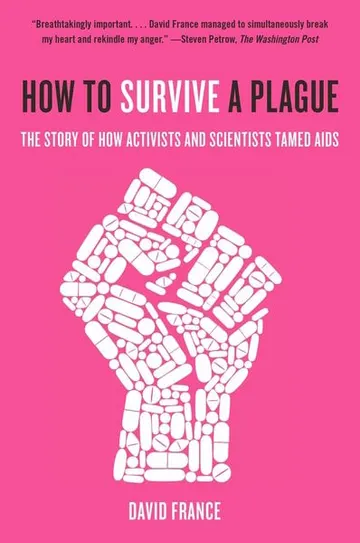
How to Survive a Plague (opens Bookshop.org)
David France · 2016
France, a New York reporter, writes about ACT UP and the activists who pressed for AIDS treatments through the mid-1990s.
-
The history
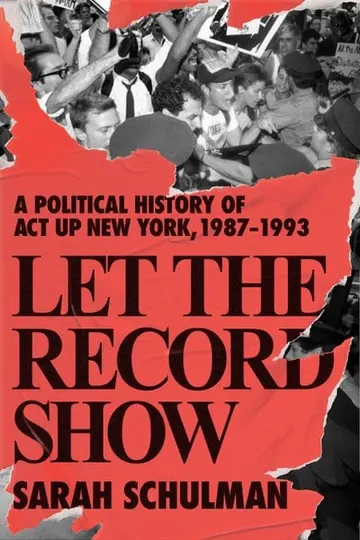
Let the Record Show (opens Bookshop.org)
Sarah Schulman · 2021
Schulman, a member of ACT UP, draws on hundreds of interviews to cover the group's actions, internal fights and results.
-
Reporting
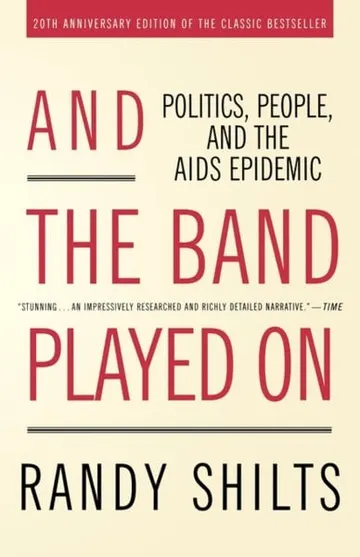
And the Band Played On (opens Bookshop.org)
Randy Shilts · 1987
Shilts reports on the epidemic's first years in New York, San Francisco and Washington, and the slow public and government response.
The city is still writing this.
Four centuries end at this morning’s news. The daily brief picks up where the history leaves off: what changed in New York today and what it means, explained by breakfast.
Free. One email each morning. One-click unsubscribe. Never sold.