The nonprofit landlord of a Sheepshead Bay, Brooklyn, senior center let its 20-year lease expire, shuttering one of the city's official cooling centers for 65 daily attendees the same week temperatures hit 100 degrees. [66]
02
NYCHA admitted a scanning backlog wrongfully terminated Section 8 subsidies for hundreds of tenants at East New York public housing, triggering mass eviction notices against people who insist they paid their rent on time. [130]
03
Mayor Mamdani signed a $126 billion city budget for fiscal year 2027 on a 45-to-6 vote, closing a $12 billion deficit while funding expanded housing vouchers and Fair Fares for low-income transit riders. [95]
04
Pedestrian deaths hit an all-time low for the first six months of the year since Vision Zero launched in 2014, with 46 deaths through June, down 13 percent from the same period in 2025. [156]
05
Queens Borough President Donovan Richards and Attorney General Letitia James rallied in Kew Gardens after the Supreme Court cleared the way for the Trump administration to revoke Temporary Protected Status for roughly 5,400 Haitian immigrants in New York City. [61]
1 of 9 desks covered thisNot covered by Public Safety & Justice, Housing & Real Estate, Transit & Streets, Business & Economy, Education, Health & Environment, Sports
What each newsroom noticed · tap any headline for the read
Politics & Government“Bronx elected officials celebrate big city budget wins — but Council Member Althea Stevens says it's not enough”Bronx Times
“We balanced the budget without asking working New Yorkers to shoulder the burden once again”
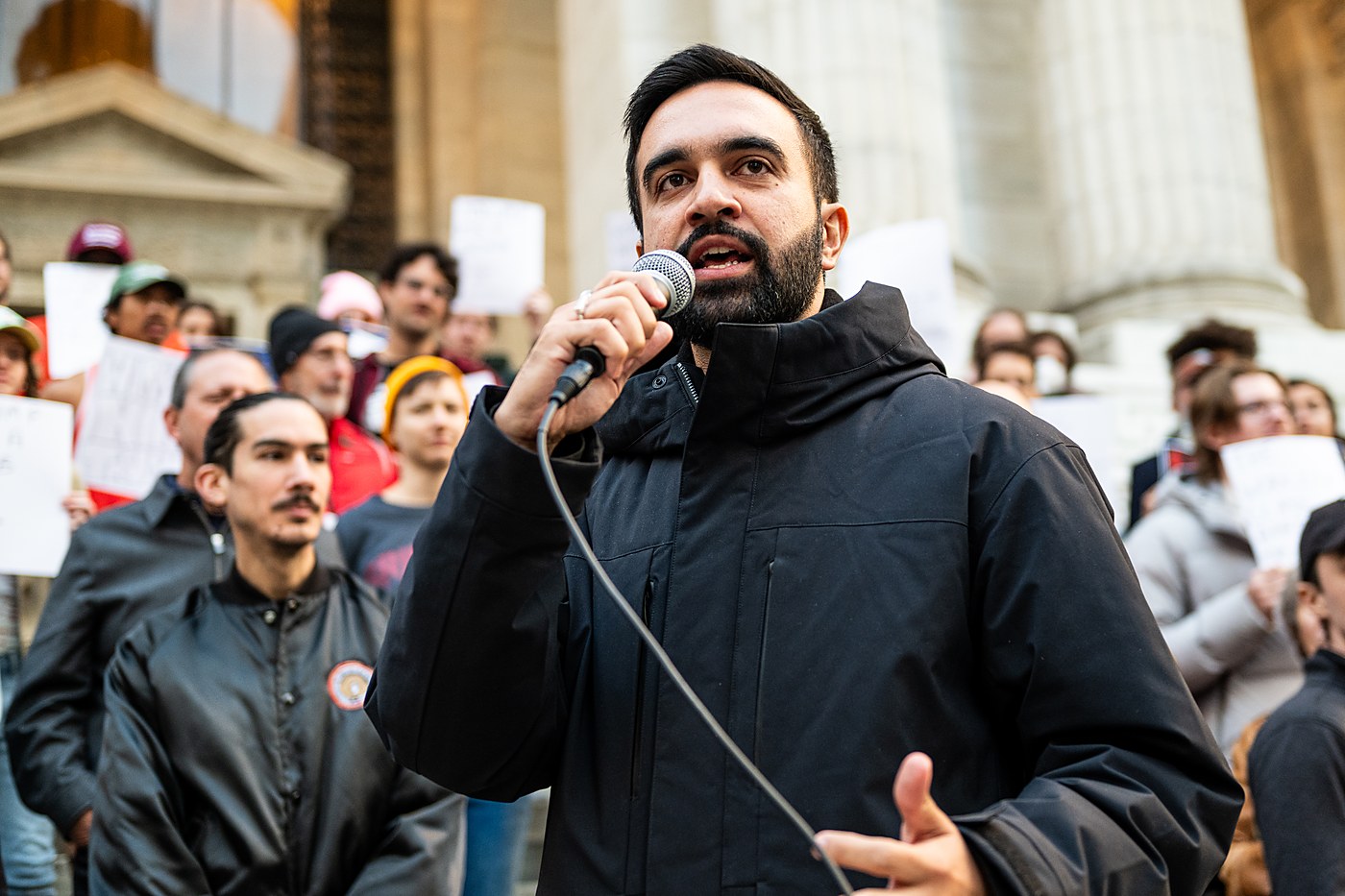
"We balanced the budget without asking working New Yorkers to shoulder the burden once again," Mamdani said, but Stevens cut through that framing, calling the investments allocated to her district "deeply disappointing" while Council Speaker Julie Menin's office pushed back, citing $11.1 million in capital and expense funding for her district this year [95]. The Bronx Times gave Stevens' dissent full voice alongside the borough's concrete wins, naming the Lincoln Hospital NICU upgrade and the Fulton Fish Market modernization as real deliverables, and noting that 46 percent of all CityFHEPS voucher holders citywide live in the Bronx despite the borough making up just 16 percent of the city's population [95].
The City Council adopted the fiscal year 2027 budget 45 to 6 on June 30, giving Mayor Mamdani a $126 billion spending plan that closes a gap his administration attributed to "fiscal irresponsibility" by former Mayor Eric Adams [95]. The deal expands CityFHEPS housing vouchers with $175 million in new funding (baselined at $125 million in subsequent years), extends Fair Fares for low-income transit riders, and creates universal savings accounts for public school kindergartners [95]. The Council simultaneously settled a lawsuit against the Adams administration over CityFHEPS, with advocates securing expansion without any added work requirement [95]. Council Member Althea Stevens (District 16, Bronx) was the sole Democrat to vote no, saying her constituents in Morrisania, Concourse, and Highbridge, where poverty runs at double the citywide average and median household income sits below $42,000, did not get a budget that reflects the urgency of their challenges [95].
The takeaway
What changes: CityFHEPS, the city's primary tool for keeping families out of shelters, now has a multi-year baseline and no work requirement. Tens of thousands of near-homeless New Yorkers in the Bronx and Brooklyn, where voucher concentration is highest, have a clearer path to stable housing. [95]
Who benefits: Low-income families cycling between shelters and market housing; Fair Fares riders who could not previously afford the base MTA fare.
Who pays: The city's general fund, through a budget that Mamdani says is balanced but that budget analysts note still faces a structural gap in coming years.
Watch: Stevens' "no" vote is symbolic but signals that the Mamdani coalition's most progressive flank is restless in year one. Another deficit looms, and the fights over equity in capital spending will only sharpen. [95]
The 485-x Loophole That Swallowed 538 Affordable Apartments
A state tax break meant to spur affordable housing has become a precise manual for building less of it.
1 of 9 desks covered thisNot covered by Politics & Government, Public Safety & Justice, Transit & Streets, Business & Economy, Education, Health & Environment, Sports
What each newsroom noticed · tap any headline for the read
Housing & Real Estate“How a tax break program killed 538 affordable apartments in NYC”Gothamist
“You're losing units of production on the affordable side and overall”
"You're losing units of production on the affordable side and overall," said Brad Greenburg, CEO of NYU's Furman Center, the clearest summary anyone offers in the piece [114]. Gothamist built the analysis from DOB permit records, cross-referencing owners, architects, zoning diagrams, and financing across 48 clusters. Developers told Gothamist the splits are "financially feasible" business strategy; labor unions call it a loophole; and real estate attorney Jaclyn Scarinci put the tension plainly: "You are losing affordable housing units in each of these separate buildings." [114]
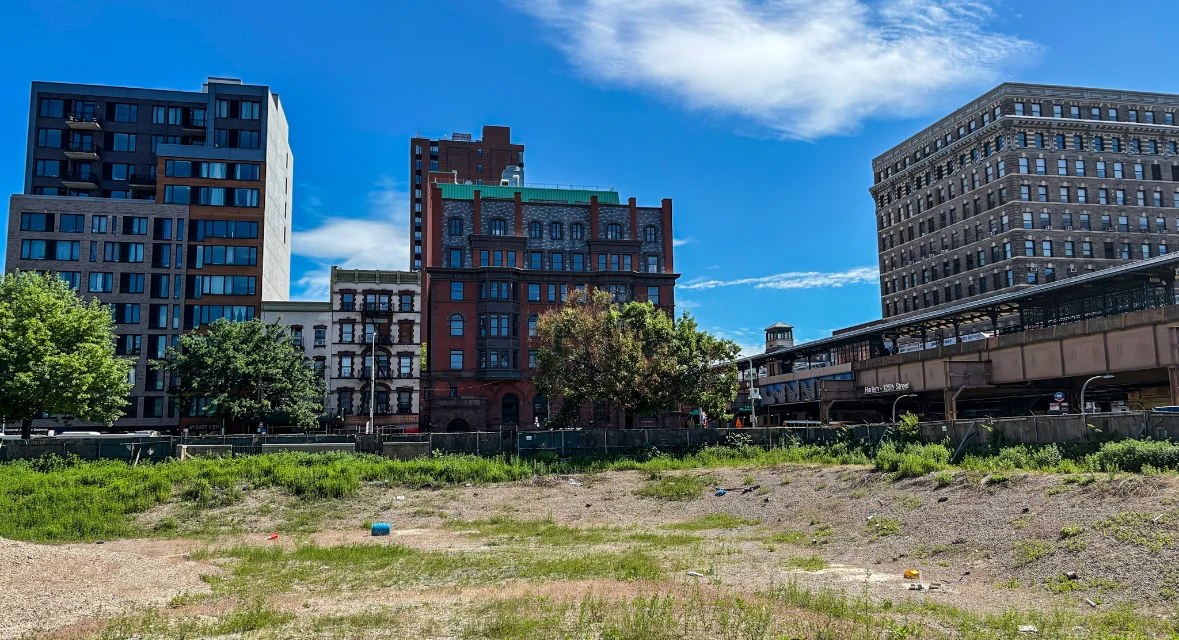
A Gothamist analysis of permit data found 48 clusters of adjacent buildings across the city, each carved into structures of 99 units or fewer, that collectively denied the city 538 affordable apartments required by the state's 485-x tax exemption program [114]. The starkest example: developer David Bistricer of Clipper Equity, who paid more than $50 million for a nearly block-size lot at East 125th Street and Park Avenue in East Harlem (acquired from the Durst Organization), filed permits to divide the site into seven separate 99-unit buildings rather than one 700-unit tower [114]. The split pays off on two fronts. Clipper can pay construction workers as little as $17 an hour instead of the $63 an hour required on projects over 100 units. And the required affordable share drops from 25 percent to 20 percent, costing 35 affordable apartments on the East Harlem site alone [114]. City Hall said Mayor Mamdani is not currently pushing to change the state program; closing the loophole would require action in Albany [114].
The takeaway
What changes: 538 affordable apartments will not be built under 485-x that the program was designed to produce, in a city with a 1.4 percent vacancy rate. [114]
Who benefits: David Bistricer's Clipper Equity and the developers behind 47 other clusters, each saving tens of millions in construction wages by staying one unit below the wage threshold.
The precedent: The 485-x replaced the 421-a tax break, which lawmakers allowed to expire in 2022 after years of criticism that it subsidized market-rate housing while delivering too few affordable units. The new program was billed as a compromise between the Real Estate Board of New York and labor unions, enacted in April 2024. Critics argue it contains the same core problem. [114]
Watch: Only Albany can close the loophole. City Hall is not pushing for changes. The use of 99-unit clusters has grown steadily since the program launched, and no enforcement mechanism exists to stop it. [114]
NYCHA's Paperwork Failure Is Putting Hundreds on the Street
A scanning backlog inside the housing authority wiped out Section 8 subsidies for tenants who did nothing wrong, and the private firms managing their buildings sent eviction notices anyway.
1 of 9 desks covered thisNot covered by Politics & Government, Public Safety & Justice, Transit & Streets, Business & Economy, Education, Health & Environment, Sports
What each newsroom noticed · tap any headline for the read
Housing & Real Estate“Hundreds Threatened With Eviction in Botched NYCHA Paperwork 'Crisis'”The City Reporter via Brownstoner
“multiple developments across the city.”
"There's confusion with tenants. There's confusion with building managers in the management office. They don't seem to ever have a clear answer on what to do and when to do it," said Anna Luft of the New York Legal Assistance Group, a quote that names the structural failure: neither NYCHA nor the PACT managers have built a system that works [130]. The City's reporting, grounded in public records and tenant interviews, traced the highest concentration of cases to East New York but said NYLAG has fielded complaints from "multiple developments across the city."
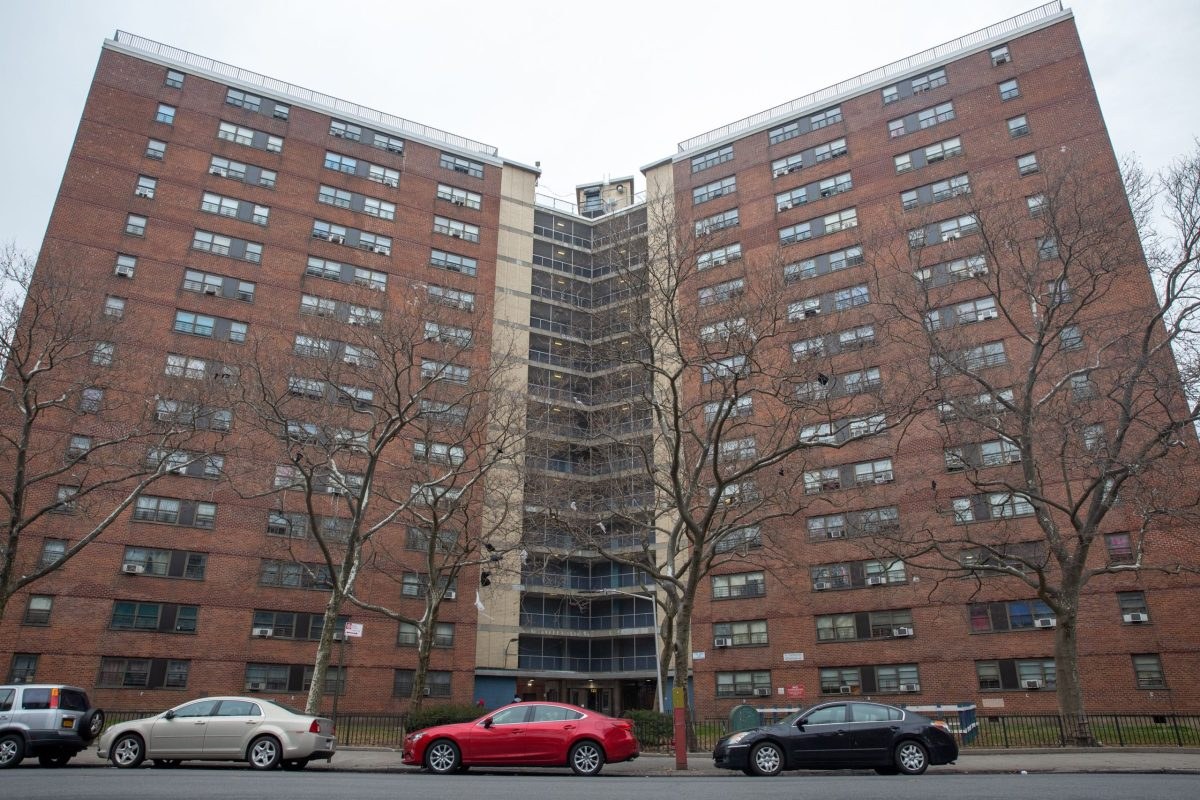
NYCHA's annual recertification process, which requires all Section 8 tenants at privately managed PACT buildings to document their income and household makeup, broke down. Section 8 terminations for "failure to recertify" jumped from 42 in 2024 to 836 last year, a nearly 2,000 percent increase, according to Legal Aid Society data obtained under public records law [130]. NYCHA blamed a scanning backlog, acknowledging that submitted documents were not processed. When the subsidies disappeared, private building managers billed tenants for the full unsubsidized rent; tenants kept paying their regular share; the difference accumulated as "arrears." One tenant NYCHA claims owes $80,000 in back rent has never stopped paying. The problem is concentrated at Linden, Boulevard, and Penn-Wortman Houses in East New York, Brooklyn, where Stanley Avenue Preservation LLC, a joint venture of Douglaston Development, L+M Development Partners, Dantes Partners, and SMJ Development that closed a $535 million PACT deal in December 2021, has filed more than 900 eviction proceedings against tenants since 2023 [130].
The takeaway
What changes: Hundreds of PACT tenants face eviction court for nonpayment of rent they actually paid, and no reliable process exists for resolving wrongful terminations before tenants lose their apartments. [130]
Who pays: Low-income residents at Linden, Boulevard, and Penn-Wortman Houses, capped at no more than 30 percent of income for rent under PACT, who are now billed at the full market rate while their subsidies sit in a backlog.
Who manages: Stanley Avenue Preservation LLC, the Douglaston/L+M/Dantes/SMJ joint venture that took a $535 million deal to rehabilitate and manage 1,922 units, is sending eviction notices rather than pressing NYCHA to clear the backlog.
Watch: NYLAG and Metro Industrial Areas Foundation are calling on Mayor Mamdani to intervene directly. NYCHA says the scanning backlog is "resolved," but hundreds of eviction cases remain open in housing court. [130]
The Supreme Court Just Ended 16 Years of Protection for 5,400 Haitian New Yorkers
TPS for Haiti has been extended twelve times since the 2010 earthquake. The thirteenth renewal is not coming.
1 of 9 desks covered thisNot covered by Public Safety & Justice, Housing & Real Estate, Transit & Streets, Business & Economy, Education, Health & Environment, Sports
What each newsroom noticed · tap any headline for the read
Politics & Government“BP Richards and AG James demand justice at Queens rally after TPS revoked for 5,400 Haitian immigrants in NYC”QNS
"We've got to tell the story about the reality of what's happening in Haiti. The government has been destabilized, there are gangs all throughout Haiti," James said, the most concrete statement about where deportees would actually go [61]. QNS gave full weight to both the economic argument and the human one, quoting Saint Louis: "These people have been here for decades and decades and decades. They are homeowners, doctors, nurses, lawyers, teachers, cab drivers and health aides." [61]
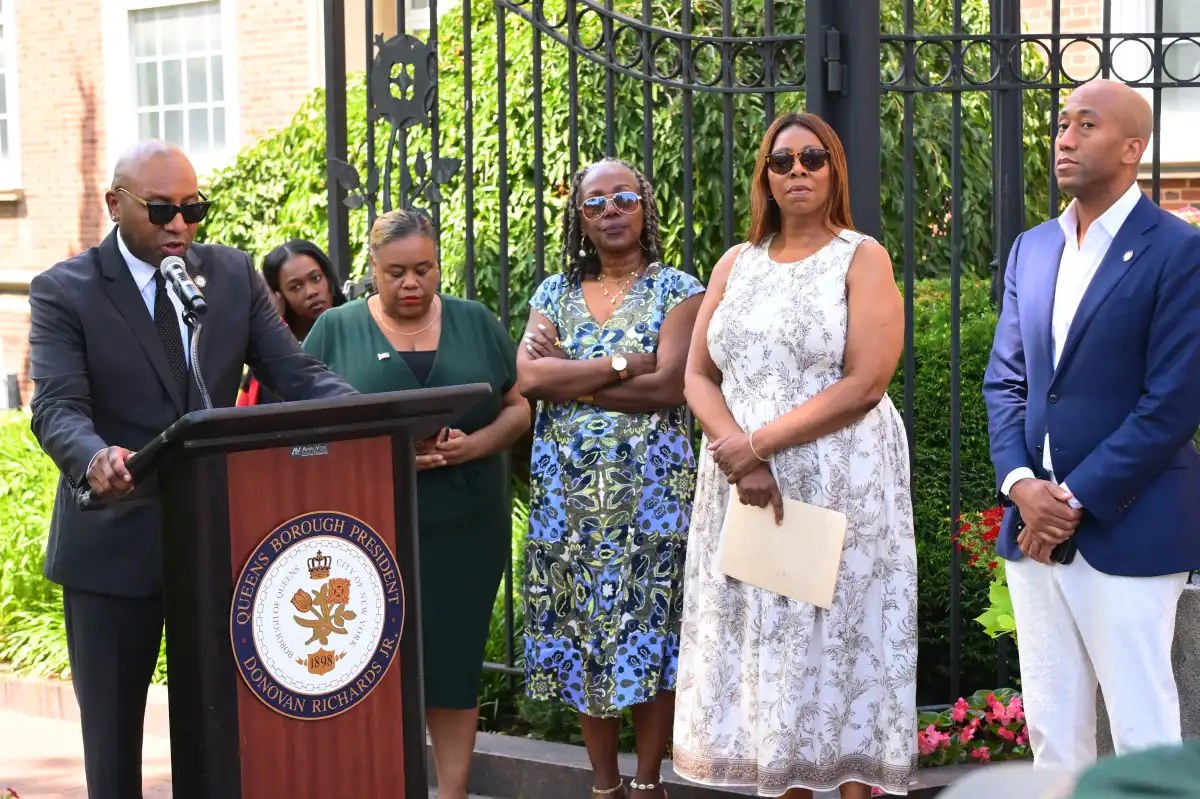
The Supreme Court ruled last Thursday to allow the Trump administration to revoke Temporary Protected Status for roughly 350,000 Haitian immigrants nationwide, including about 5,400 in New York City and 40,000 across New York State [61]. Queens Borough President Donovan Richards, Attorney General Letitia James, Assemblymember Clyde Vanel, and HAUP CEO Elsie Saint Louis rallied at Queens Borough Hall in Kew Gardens on June 29 to call the ruling "shameful" and demand a congressional response [61]. Queens has the second-largest Haitian population in the five boroughs after Brooklyn. TPS holders receive no federal public benefits but contributed more than $2.2 billion in taxes in 2021 alone, according to the American Immigration Council, and Haitian TPS holders nationwide account for $5.9 billion in annual economic activity per Forward US [61].
The takeaway
What changes: 5,400 Haitian New Yorkers lose their legal right to live and work in the United States, with work permits set to be revoked and active deportation exposure to a country the UN is seeking $880 million to stabilize. [61]
Who pays: Haitian healthcare workers and home health aides, sectors the city already faces shortages in, alongside their families, many of whom arrived as children and have no meaningful ties to Haiti.
The precedent: TPS for Haiti was first designated in January 2010 by DHS Secretary Janet Napolitano following the magnitude 7.0 earthquake that killed more than 230,000 people. Extended repeatedly over 16 years, it was terminated by the Trump administration in November 2025 [61].
Watch: AG James and Sen. Chuck Schumer are pushing for a congressional extension; absent that, the timeline for actual deportations will depend on how quickly the administration moves to implement the ruling. [61]
A Brooklyn Senior Center Closed During the Heat Wave. It Was Also a Cooling Center.
The landlord at 1960 E. 7th Street let the lease run out on a 20-year-old program serving the most isolated seniors in Sheepshead Bay, right as the city declared a heat emergency.
1 of 9 desks covered thisNot covered by Politics & Government, Public Safety & Justice, Housing & Real Estate, Transit & Streets, Business & Economy, Education, Sports
What each newsroom noticed · tap any headline for the read
Health & Environment“After Two Decades, Beloved Senior Center Shutters in Brooklyn”The City Reporter
“Even if it's 10 people a day, that's 10 less people who might be hungry for the day”
"Even if it's 10 people a day, that's 10 less people who might be hungry for the day," said data manager Brian Vinnitsky, the line that cuts through the landlord's low-attendance claim most cleanly [66]. The City obtained the actual monthly attendance records (contradicting Ahi Ezer's stated rationale) and documented the center's role in its members' lives in specific terms: Anne Klein, 76, who lost 100 pounds through the center's programming and was called at home when she didn't show up; Anita Smilowitz, 83, a widow who said the community "cannot be replaced."
The Ocean Parkway Older Adult Center, on the ground floor of 1960 E. 7th Street in Sheepshead Bay, Brooklyn, served its last meal on June 27 and laid off most of its staff [66]. Its landlord, Ahi Ezer Housing Development Fund Corp, a nonprofit that owns the affordable senior building above the center, declined to renew the lease after more than 20 years, claiming attendance had "collapsed" and a new operator was ready to take over and "boost the attendance" [66]. The center's own records, obtained by The City, tell a different story: from November through May, the kitchen served well over a thousand lunches per month, an average of 65 participants per day according to the Department of Aging, plus 180 home-delivered meals daily for homebound seniors who cannot leave their apartments [66]. The neighborhood where the center operated is one in five residents 65 or older, and 48 percent were born outside the United States [66]. The closure happened as New York entered a heat wave expected to push temperatures above 100 degrees. The center had been one of the city's official cooling centers [66].
The takeaway
What changes: 65 seniors per day lose their gathering place, 180 homebound residents lose meal delivery, and one of Brooklyn's official cooling centers goes dark during a week of 100-degree heat. [66]
Who benefits: Ahi Ezer Housing Development Fund Corp plans to bring in a new operator "anxious to upgrade the space," raising the question of what "upgrade" means for a program serving low-income immigrant seniors in one of Brooklyn's older neighborhoods.
Watch: The Jewish Community Council of Greater Coney Island is searching for new space, and the city's Office of Emergency Management confirmed the center's closure. The city has no mechanism to compel a nonprofit landlord to renew a lease even when the program it houses is city-funded. [66]
Pedestrian Deaths Hit a Record Low. Mamdani Wants to Clear the Red Tape That Slowed Even Bigger Gains.
Vision Zero's best first-half numbers since the pandemic emptied the streets, and a charter commission targeting the 2009 law that has delayed bike and bus lanes for 17 years.
Within Transit & Streetsthe internal split · 2 standpoints
amNewYork focused on the DOT data and the administration's record, while Streetsblog focused on the governance fight, naming the specific provisions bike-lane opponents have weaponized and the legal precedent they created last year in Astoria.
The standpoints · tap any headline for the read
Transit & Streets“Vision Zero: NYC pedestrian traffic deaths hit record low for first half of this year, DOT data”NYC Transit amNewYork
“No New Yorker should fear walking to school, biking to work, or driving to visit a loved one”
"No New Yorker should fear walking to school, biking to work, or driving to visit a loved one," said DOT Commissioner Mike Flynn, pairing the good news with the program's core demand [156]. amNewYork noted that e-bike, moped, and motorized scooter deaths ticked up slightly, from 16 to 18, with most victims being food delivery workers, a sign that the city's gains are not evenly distributed across road users. [156]
Transit & Streets“Mamdani's 'COGE' Panel Sets Its Sights on Anti-Safety 'Major Transportation Projects' Law”Streetsblog New York City
"So long as duplicative, burdensome rules are on the books, street safety projects that save lives will be delayed, an inefficiency that falls most squarely on our roads' most vulnerable users," the COGE commissioners wrote [161]. Streetsblog quoted Council Member Lincoln Restler (D-Brooklyn) urging caution: many of these fixes can be done through Council legislation, which he has already used (repealing a 2011 provision that required 90 days' advance notice to community boards for any bike lane), rather than a charter referendum [161].
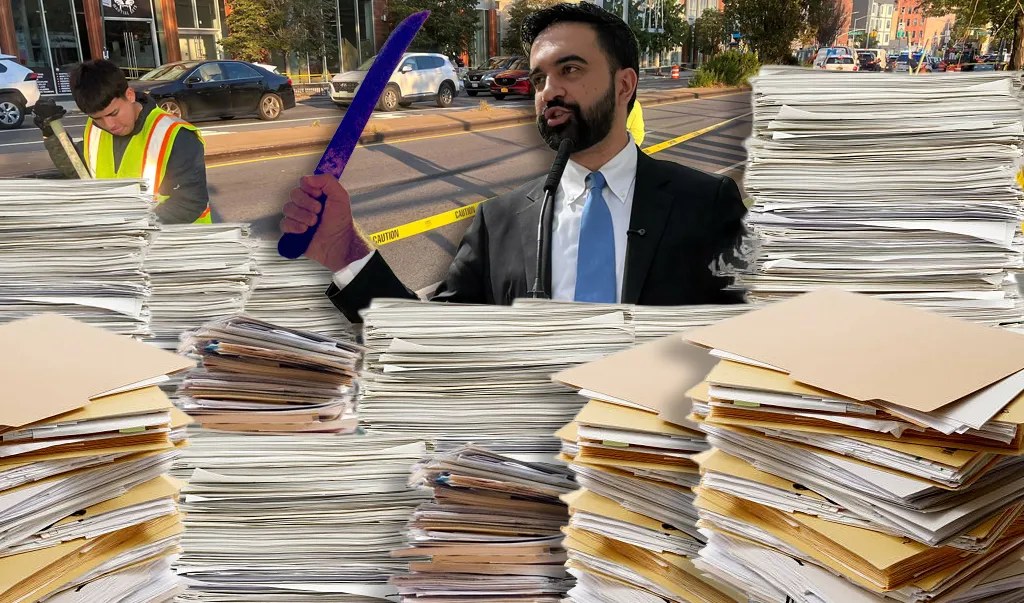
The Department of Transportation reported Wednesday that 46 pedestrians died in the first six months of 2026, a 13 percent drop from the 53 killed over the same period in 2025 and the lowest total for any first half since Vision Zero launched in 2014, with the only lower mark being the lockdown months of early 2020 [156]. Separately, Mayor Mamdani's Committee on Government Efficiency released a report targeting a 2009 Bloomberg-era law that requires DOT to obtain written sign-offs from NYPD, FDNY, the Department of Small Business Services, and the Mayor's Office for People with Disabilities for any street redesign exceeding 1,000 feet or three blocks, a provision bike-lane opponents have used to add "mountains of unnecessary paperwork" to routine safety projects [161]. A Queens judge used the law last year to stall a protected bike lane in Astoria. Council Member Joann Ariola (R-Queens) has since added another layer, requiring DOT to get written confirmation from individual firehouses, not just FDNY headquarters, before any street redesign in their area [161]. COGE plans public hearings this summer and would put proposed charter reforms to a November referendum [161].
The takeaway
What changes: Pedestrian deaths are down 25 percent overall since Vision Zero began, and Mamdani has accelerated street redesigns shelved under Adams. A charter change could remove the legal tool opponents have used to sue and stall bike and bus lane projects. [156][161]
Who's blocking progress: The 2009 major transportation law, plus Ariola's firehouse sign-off amendment, have given opponents legal standing to delay projects even when DOT, NYPD, and FDNY leadership all support them. [161]
Watch: COGE's proposed changes go to a public hearing this summer and a November ballot. Restler argues the Council could act faster through legislation, but charter revision would be harder for future opponents to undo. E-bike and moped deaths rising warrant focused enforcement on delivery corridors, a gap in the Vision Zero progress. [156][161]
Around the Boroughs
Citywide: Temperatures expected to hit 100 degrees through July 4th weekend, with Mayor Mamdani deploying 21 COOL vans staffed by NYC Health + Hospitals medical providers, extending outdoor pool hours to 8:30 p.m., and adding 150 volunteers to heat outreach; eight city buildings including Brooklyn Borough Hall and Queens Borough Hall are open as cooling centers through July 5. [121]
Brooklyn (Prospect Lefferts Gardens): Eva Volmar, who poured $580,000 of her savings into building out her Haitian-French restaurant La Cachette du Coin at 625 Rogers Avenue, says landlord Nigel Boyden of Kingsdel Real Estate is trying to displace her now that the space is renovated and newly viral; her next court date is August 25. [68]
Citywide: Mamdani's HPD unveiled "Cuadra por Cuadra," a plan to build 200,000 new affordable units and preserve 200,000 more over the next decade, citing the city's 1.4 percent vacancy rate as the central crisis. [25]
Bronx (South Bronx): The FY27 budget includes $7 million to upgrade the neonatal intensive care unit at Lincoln Hospital, which Council Member Justin Sanchez said "no longer meets modern standards for infection control, family-centered care, or neonatal technology in one of New York City's busiest maternity hospitals." [95]
Bronx (Hunts Point): $25 million over two years will modernize the Fulton Fish Market Co-op and open it to the public for the first time, per the FY27 budget deal. [95]
Brooklyn (Williamsburg): Pacha, the Ibiza-born club brand, opened at the former Brooklyn Mirage site; unlike the city's camera-shy underground clubs, it wants you to film everything, a choice that has already drawn derision from the local nightlife set. [116]
Manhattan (NoMad): New renderings for 262 Fifth Avenue reveal an 860-foot condo tower with concave gold paneling and a communal midpoint cutout; developer Boris Kuzinez expects 26 full-floor and duplex units to deliver in December 2026. [146]
Manhattan: American Express is establishing its new global headquarters at 2 World Trade Center, alongside JPMorgan Chase's new Park Avenue HQ, signaling that major companies are still committing to the city despite uncertainty around the Mamdani administration's policies. [180]
Bronx: Ralph Lauren, born Ralph Lifshitz in 1939 to Ashkenazi Jewish immigrant parents in the Bronx, is profiled as the designer who invented America's style for the nation's 250th anniversary: the kid who pressed his face to department store windows to study how Fred Astaire knotted a tie. [186]
Brooklyn: Brooklyn Paper launched "Step into Brooklyn," a walking tour and 10-video series tracing the borough's Revolutionary War sites from Fort Greene Park south to Gravesend Bay, timed to America250. [126]
Brooklyn (Fort Greene/Crown Heights area): P.S. Weekly, the student journalism podcast from Chalkbeat and The Bell, wrapped its third season with a live event at Brooklyn Public Library's Central Branch, featuring high school reporters who investigated school mergers, admissions equity, sports access, and teacher diversity. [198]
Manhattan (Battery Park): Free outdoor screening of "On the Town" (1949) at the Battery on July 8, with doors at 6 p.m. and film at 7:30 p.m., as tall ships gather in the harbor for America250 and Sail4th NYC. [244]
Citywide: E-bike, moped, and scooter rider deaths ticked up slightly in the first half of 2026, from 16 to 18 deaths, even as pedestrian deaths hit record lows; most victims are food delivery workers, the sharpest remaining gap in Vision Zero's progress. [156]
Citywide: The FY27 budget funds universal savings accounts for every public school kindergartner, one of Mamdani's core early-childhood promises from the campaign. [95]
Brooklyn (East New York): A City Limits op-ed argues the city is falling behind on building borough-based jails to replace Rikers, putting the 2027 closure deadline at risk and blocking the Renewable Rikers clean energy plan for the 400-acre island site. [165]
Only in New York
Photo: time out
Ruben Santana started smoking Central Texas-style brisket out of his garage in Queens. He worked the city's pop-up circuit from Queens to Brooklyn, set up shop inside Time Out Market in Dumbo, got the Times to put his chopped chicharrón and brisket sandwich on the list of 57 sandwiches that define New York City, and then went viral when an influencer walked in unannounced and posted. Today, Bark Barbecue opens at 25 Thames Street in Bushwick: 8,000 square feet, four smokers behind a glass wall, a stage, 200 indoor seats, 90 on the patio, and whole hogs going over live fire to honor the Dominican cooking tradition he grew up with alongside the Texas low-and-slow. The arroz congrí and the Dominican oregano mac and cheese come with the brisket. The coffee program, Cafecito, runs from 9 a.m. and brings Dominican cortados and coco miel drinks to a neighborhood where you can now eat your way around two continents before noon. [241]


 “Bronx elected officials celebrate big city budget wins — but Council Member Althea Stevens says it's not enough”
Bronx Times
“Bronx elected officials celebrate big city budget wins — but Council Member Althea Stevens says it's not enough”
Bronx Times