
On this day in New York · January 18, 1964
New York Meets the Twin Towers
Nine years before the ribbon cutting, the Port Authority rolled out an eight-foot model and let Lower Manhattan see the two square giants that would take over its skyline.
Quotes checked against the sources July 16, 2026
The facts
- Date unveiled
- January 18, 1964
- The model
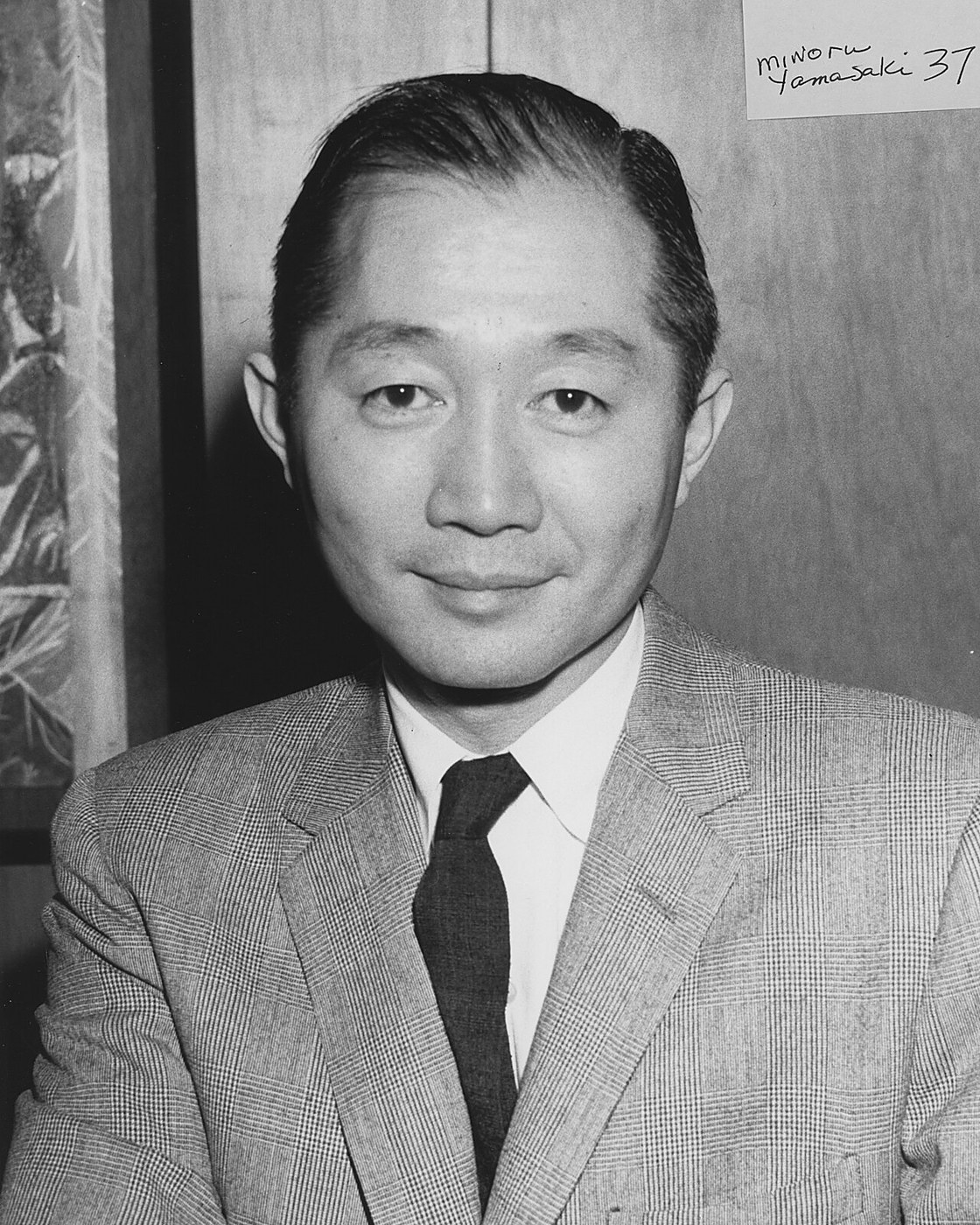
- An eight-foot scale model of Minoru Yamasaki's design
- Planned height
- Twin towers designed to rise 1,350 feet (410 m)
- Lead architect
- Minoru Yamasaki, named to the job in 1962
On January 18, 1964, the Port Authority of New York and New Jersey unveiled an eight-foot scale model of architect Minoru Yamasaki's design for the World Trade Center, giving the public its first real look at the towers that would eventually dominate the skyline. Yamasaki, hired as lead architect in 1962, had been wrestling with how to fit ten million square feet of office space onto the site without putting up something that felt like a monolith. His solution was two square towers designed to rise 1,350 feet, surrounded by a cluster of low six-story buildings around a central plaza. The design still faced years of engineering, financing, and political fighting before any steel went into the ground, but the shape New Yorkers would live under for the rest of the century was already sitting on that model table.
In their words
The day in the words of the people who were there. Every quote is verbatim, and every source links out so you can check it.
-
obvious alternative, a group of several large buildings, would have looked like a housing project.
Minoru Yamasaki, on why he designed twin towers instead of one large building
Source: Wikipedia -
I didn't want to lose the human scale.
Minoru Yamasaki, at a 1973 press conference, asked why he built two 110-story towers instead of one 220-story tower
Source: Wikipedia
Why it still matters
The towers unveiled that day defined the Manhattan skyline for the next thirty-seven years, until September 11, 2001, and the debate over what belongs on that footprint still shapes how the city argues about building downtown.
Sources
Get the day it happened, the day it happens.
Every morning brief ends with this day in New York history, and every day adds a page to this almanac. Free, in your inbox.
Free. One email each morning. One-click unsubscribe. Never sold.