
On this day in New York · February 19, 1963
The Feminine Mystique Hits Shelves
A Smith College grad turned Rockland County housewife walked into a Manhattan publisher's office with a survey of unhappy suburban wives and came out with the book that cracked open the 1950s American dream.
Quotes checked against the sources July 16, 2026
The facts
- Publication date
- February 19, 1963
- Publisher
- W. W. Norton & Company
- Sales
- Sold more than a million copies; over 3 million worldwide by 2000
- Origin
- Grew out of Friedan's 1957 survey of her Smith College classmates for their 15th reunion
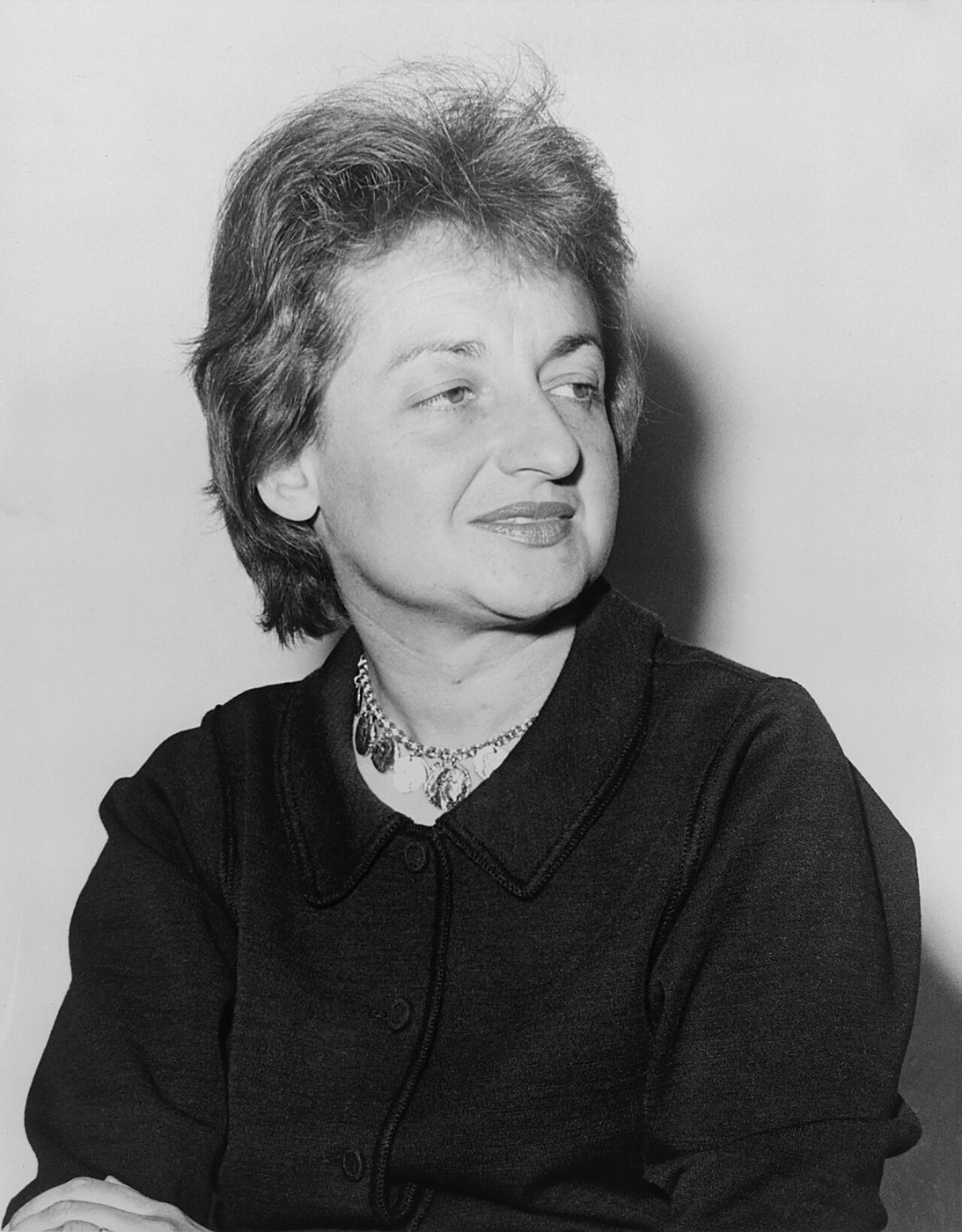
On February 19, 1963, the New York publisher W. W. Norton released Betty Friedan's The Feminine Mystique. Friedan had gone looking for an answer after surveying her Smith College classmates for their 15th reunion in 1957 and finding a wall of quiet unhappiness among women who were supposed to have everything: a husband, a house, kids, nothing left to want. The book named that unhappiness the "problem that has no name" and argued that women's magazines, advertisers, and psychologists had spent a decade selling women a fantasy that housework and motherhood alone should be enough. It sold past a million copies fast and is widely credited as the spark that lit second-wave feminism.
In their words
The day in the words of the people who were there. Every quote is verbatim, and every source links out so you can check it.
-
part of the strange newness of the problem is that it cannot be understood in terms of the age-old material problems of man: poverty, sickness, hunger, cold.
Betty Friedan, describing 'the problem that has no name' in The Feminine Mystique
Source: Wikipedia -
pulled the trigger on history
Futurist Alvin Toffler, on the book's impact
Source: Wikipedia
Why it still matters
The book gave a generation of women a name for a dissatisfaction they'd been told to keep quiet about, and it pushed Friedan toward cofounding the National Organization for Women three years later. Six decades on, it's still the book people reach for when they want to explain how the postwar suburban dream and the modern women's movement collided.
Sources
Get the day it happened, the day it happens.
Every morning brief ends with this day in New York history, and every day adds a page to this almanac. Free, in your inbox.
Free. One email each morning. One-click unsubscribe. Never sold.