
On this day in New York · March 19, 1935
The Harlem Riot of 1935
A shoplifting rumor at a nickel-and-dime store on 125th Street turned into three deaths, $2 million in wreckage, and what one historian calls the first modern race riot.
Quotes checked against the sources July 15, 2026
The facts
- Date
- March 19, 1935
- Where it started
- S.H. Kress Five and Ten, 256 W. 125th Street, Harlem
- Toll
- 3 dead, about 100 injured, 125 arrested, roughly $2 million in property damage
- The mayor's response
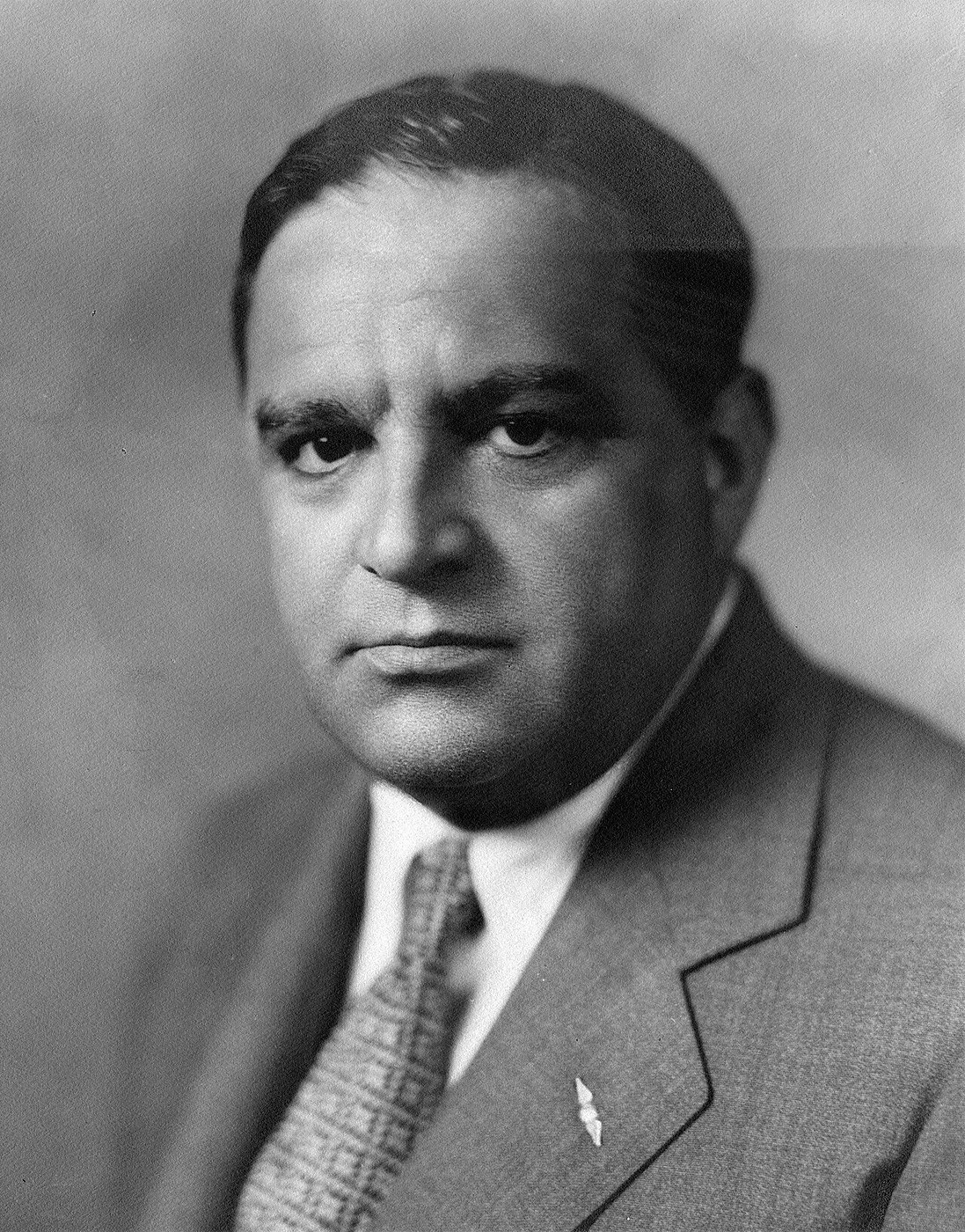
- Fiorello La Guardia formed the Mayor's Commission on Conditions in Harlem, chaired by sociologist E. Franklin Frazier
On March 19, 1935, sixteen-year-old Lino Rivera, a Black Puerto Rican teenager, was caught shoplifting a ten-cent penknife at the S.H. Kress Five and Ten on West 125th Street. When a store employee threatened to drag him to the basement and beat him, Rivera bit the man's hand, and police quietly let him go out the back door, unharmed. But a crowd had gathered outside, an ambulance came for the bitten employee, and when someone spotted a passing hearse the rumor spread that a boy had been beaten to death. By nightfall thousands filled 125th Street, white-owned stores between Fifth and Eighth Avenues were smashed and looted while Black-owned shops nearby were left alone, and when it was over three people were dead, about 100 injured, 125 arrested, and roughly $2 million in property destroyed.
In their words
The day in the words of the people who were there. Every quote is verbatim, and every source links out so you can check it.
-
no evidence of any program or leadership of the rioters
the Mayor's Commission on Conditions in Harlem, in its 1935 report The Negro in Harlem
Source: Wikipedia -
the first modern race riot
Jeffrey Stewart, professor of history at George Mason University
Source: Wikipedia
Why it still matters
This was less a fight between races in the street than an uprising against store owners and cops in a neighborhood that couldn't get hired, promoted, or treated fairly, a shape of unrest that would repeat across American cities for decades. La Guardia's own commission named job discrimination and police aggression as the real causes, then the mayor sat on the report until the Amsterdam News printed it anyway.
Sources
Get the day it happened, the day it happens.
Every morning brief ends with this day in New York history, and every day adds a page to this almanac. Free, in your inbox.
Free. One email each morning. One-click unsubscribe. Never sold.