
On this day in New York · April 7, 1927
New York Watches the First Long-Distance Television
A roomful of Manhattan reporters looked into a small black box and watched a Cabinet secretary's face arrive, live, from two hundred miles away.
Quotes checked against the sources July 15, 2026
The facts
- Date
- April 7, 1927
- Where the picture arrived
- An auditorium at Bell Telephone Laboratories in New York City
- Who was on screen
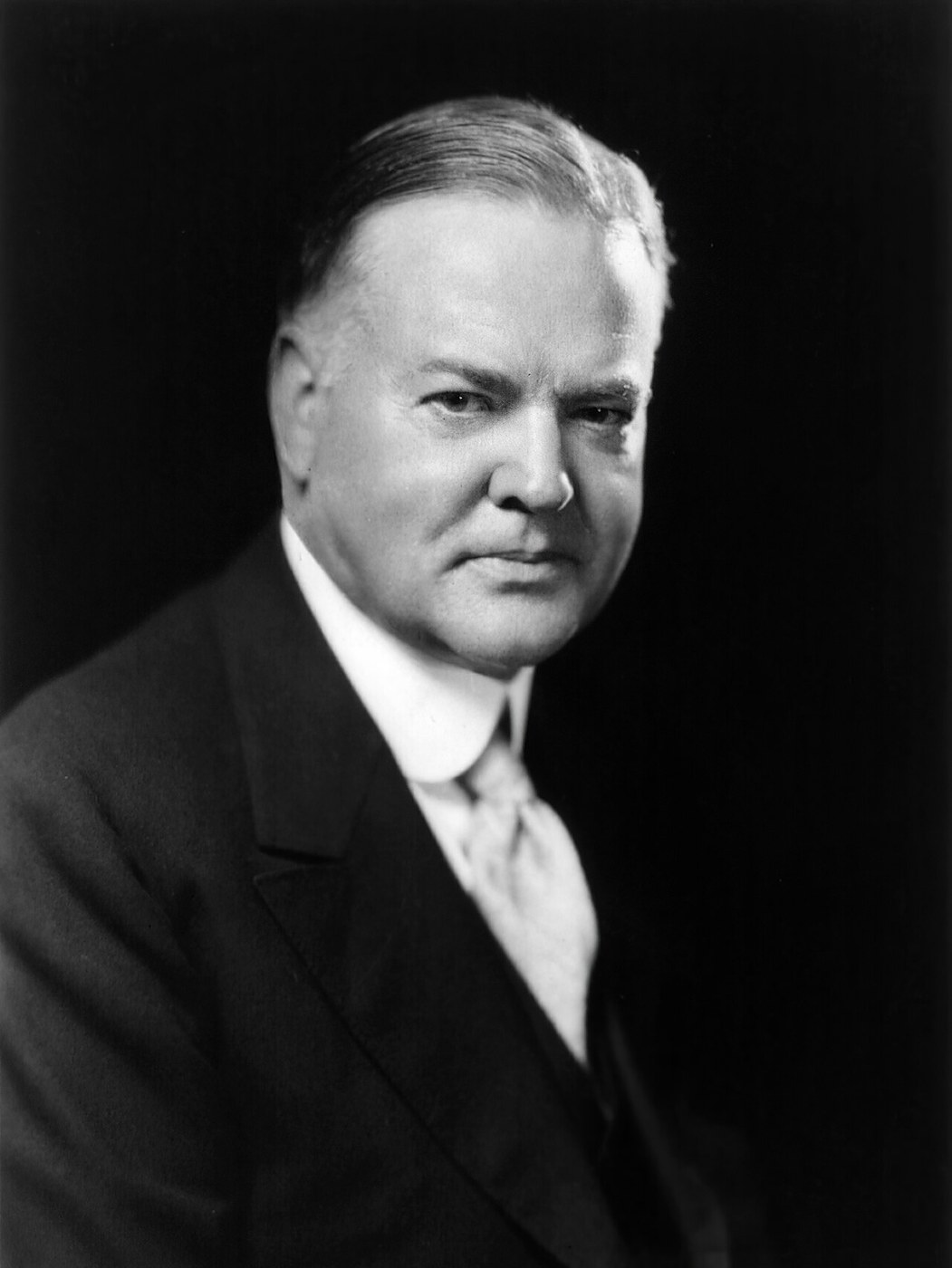
- Herbert Hoover, U.S. Secretary of Commerce, speaking from a studio in Washington, D.C.
- The screen
- A large receiver built from 2,500 individual neon lamps in a 50-by-50 array, with images scanned at 18 frames per second
On April 7, 1927, reporters and Bell Telephone Laboratories staff packed an auditorium in New York City to watch something no one in the country had watched before: a moving picture of a man who wasn't in the room. The face on the screen belonged to Herbert Hoover, then U.S. Secretary of Commerce, sitting in a studio in Washington and speaking by wire to AT&T president Walter Gifford in New York. Bell engineers Herbert E. Ives and Frank Gray had built the mechanical scanning system that carried Hoover's image up the line, through a relay station in Whippany, New Jersey, and onto a screen assembled from twenty-five hundred individual neon lamps. It was a novelty act by later standards, jerky and dim, but it was the first time long-distance television had worked in America, and New York was the city that got to see it first.
In their words
The day in the words of the people who were there. Every quote is verbatim, and every source links out so you can check it.
-
Herbert E. Ives and Frank Gray of Bell Telephone Laboratories gave a dramatic demonstration of mechanical television on April 7, 1927.
Wikipedia, "History of television"
Source: Wikipedia -
accepted the first ceremonial Picturephone call in Washington in April 1927 from Walter Gifford, the Chairman of AT&T in New York City
Wikipedia, "Herbert Hoover," describing his role in the 1927 demonstration
Source: Wikipedia
Why it still matters
It was the country's first working long-distance television transmission, the direct ancestor of both broadcast TV and the video call, and it happened because a room full of New Yorkers were willing to sit and stare at a box of neon lights until a stranger's face showed up in it.
Sources
Get the day it happened, the day it happens.
Every morning brief ends with this day in New York history, and every day adds a page to this almanac. Free, in your inbox.
Free. One email each morning. One-click unsubscribe. Never sold.