
On this day in New York · May 5, 1891
Carnegie Hall Opens, With Tchaikovsky Sharing the Podium
A steel man's music hall on West 57th Street opened its doors with a hymn, a bishop, and a Russian composer nobody in New York had ever seen conduct before.
Quotes checked against the sources July 15, 2026
The facts
- Opening night
- May 5, 1891
- Architect
- William Burnet Tuthill
- Construction cost
- About $1.25 million, against Andrew Carnegie's $2 million pledge
- Original name
- Music Hall, renamed Carnegie Hall in the mid-1890s
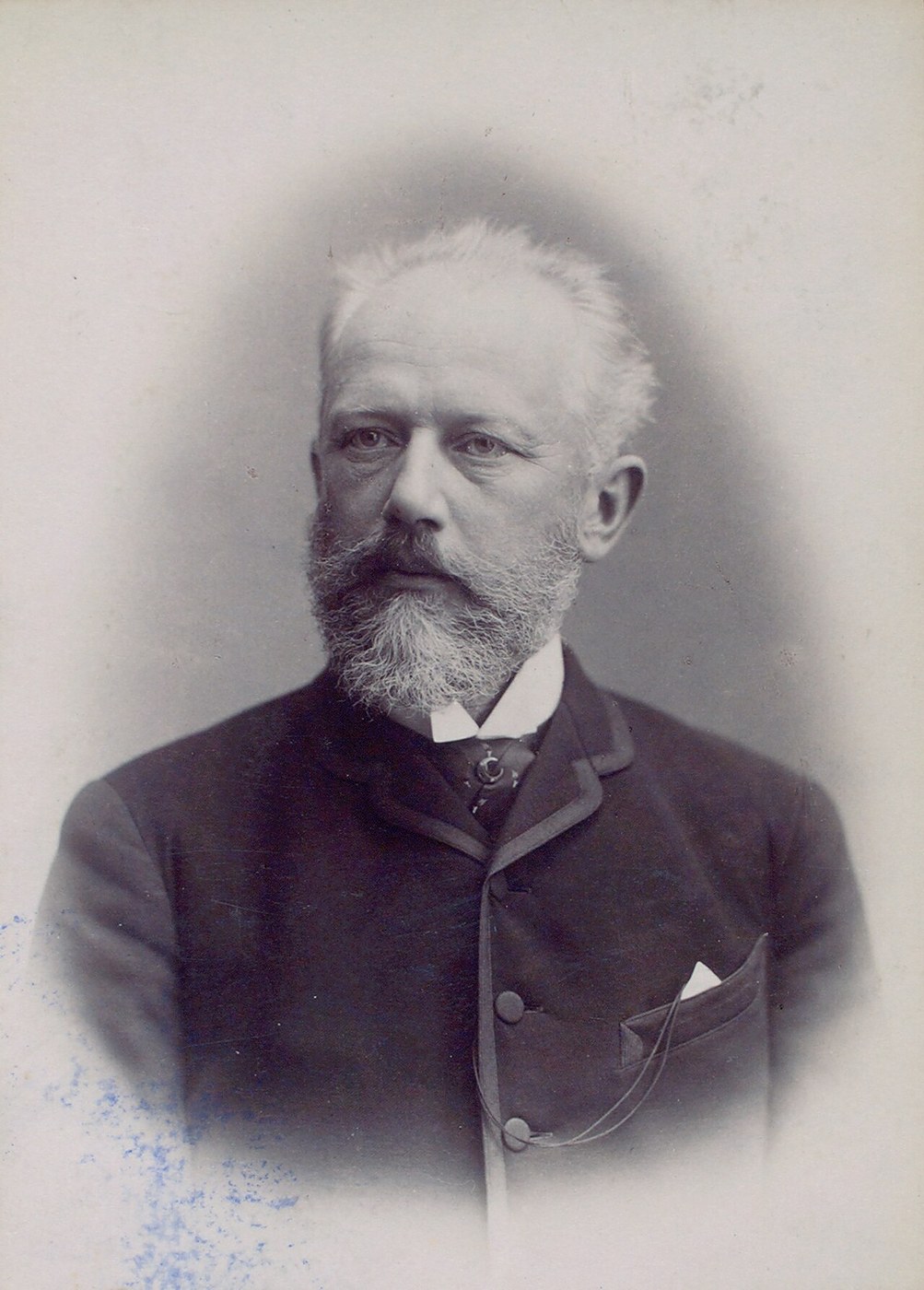
On May 5, 1891, Andrew Carnegie's new Music Hall opened on West 57th Street with the Old 100th hymn, a speech from Episcopal bishop Henry C. Potter, and a concert led by two conductors sharing one podium, New York's Walter Damrosch and a visiting Pyotr Ilyich Tchaikovsky. The building had gone up in about two years, designed by William Burnet Tuthill and built for roughly $1.25 million against Carnegie's $2 million pledge. It wasn't officially called Carnegie Hall yet, that name arrived in the mid-1890s. But Tchaikovsky liked what he saw. Once the hall filled with people and the lights came up, he wrote in his diary that it looked unusually impressive and grand.
In their words
The day in the words of the people who were there. Every quote is verbatim, and every source links out so you can check it.
-
unusually impressive and grand
Pyotr Ilyich Tchaikovsky, in his diary, describing the auditorium once it was illuminated and filled with an audience
Source: Wikipedia
Why it still matters
A donor's vanity project turned into the room every touring musician still wants to play, and Carnegie's name became shorthand for actually having made it in music.
Sources
Get the day it happened, the day it happens.
Every morning brief ends with this day in New York history, and every day adds a page to this almanac. Free, in your inbox.
Free. One email each morning. One-click unsubscribe. Never sold.