
On this day in New York · June 1, 1925
The Kid Takes First Base
A headache, a .244 batting average, and one lineup shuffle turned into the longest iron-man streak baseball had ever seen.
Quotes checked against the sources July 16, 2026
The facts
- First appearance
- Pinch hit for shortstop Pee-Wee Wanninger, June 1, 1925
- First start
- Replaced Wally Pipp at first base, June 2, 1925: 3 hits, a run scored, in an 8-5 win over Washington
- Streak length
- 2,130 consecutive games, ending April 30, 1939
- Record broken
- Surpassed the previous mark of 1,307 games
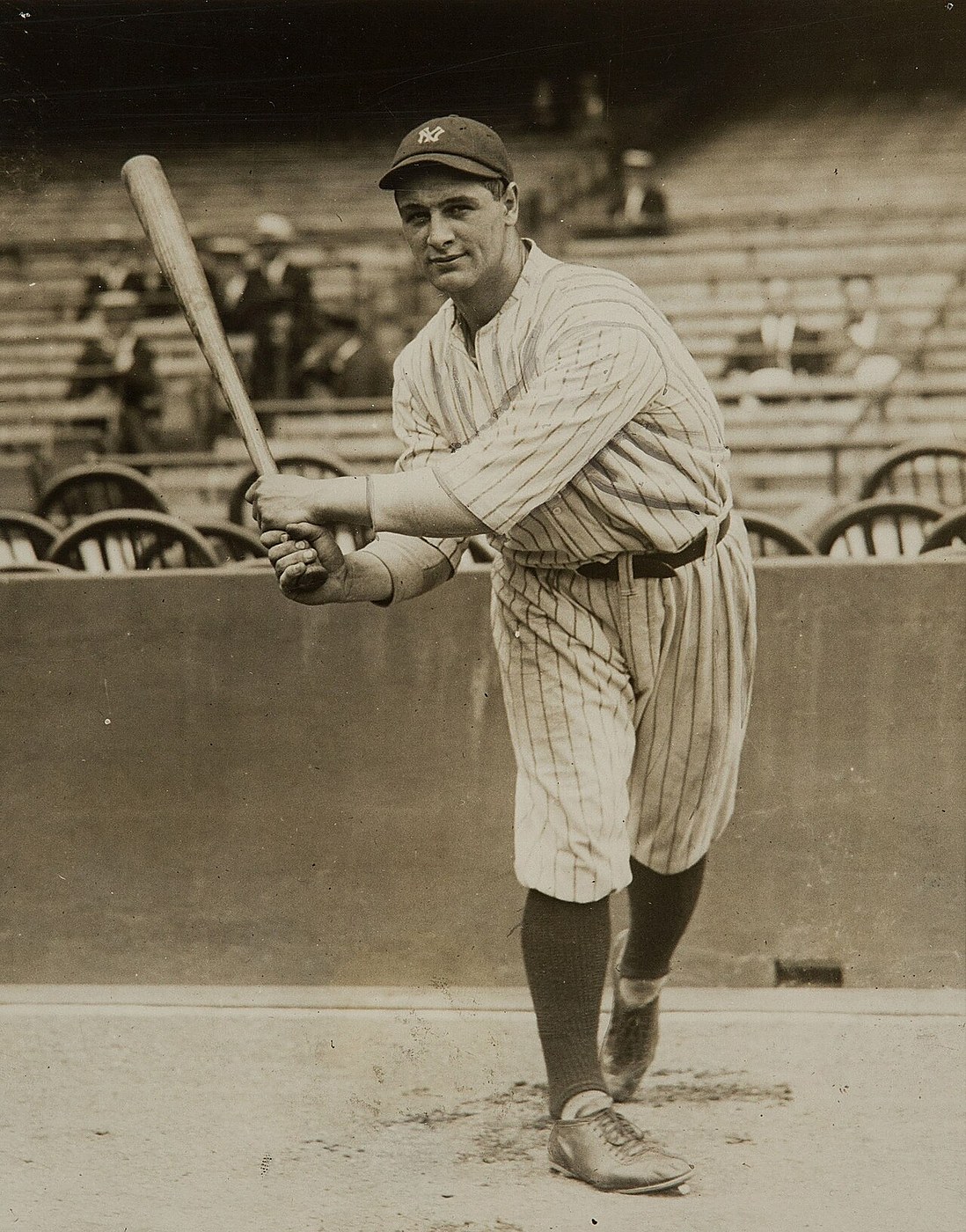
On June 1, 1925, Yankees manager Miller Huggins sent a 21-year-old first baseman named Lou Gehrig up to pinch hit for shortstop Pee-Wee Wanninger. It barely registered as news. The next afternoon, with the team slumping and Wally Pipp hitting .244, Huggins made the change permanent, benching Pipp and starting Gehrig at first base against the Washington Senators at Yankee Stadium. Gehrig collected three hits and scored a run in an 8-5 Yankees win, and he simply never left the lineup again. He went on to play in 2,130 consecutive games over the next fourteen years, a record that stood until Cal Ripken Jr. broke it in 1995.
In their words
The day in the words of the people who were there. Every quote is verbatim, and every source links out so you can check it.
-
The kid can replace you this afternoon
Yankees manager Miller Huggins, to Wally Pipp, June 2, 1925
Source: SABR (Society for American Baseball Research)
Why it still matters
Gehrig's streak set the standard for dependability that every iron-man in the sport gets measured against, and it started because a manager decided to bench a slumping veteran, not because of fate or a headache.
Sources
Get the day it happened, the day it happens.
Every morning brief ends with this day in New York history, and every day adds a page to this almanac. Free, in your inbox.
Free. One email each morning. One-click unsubscribe. Never sold.