
On this day in New York · June 5, 1995
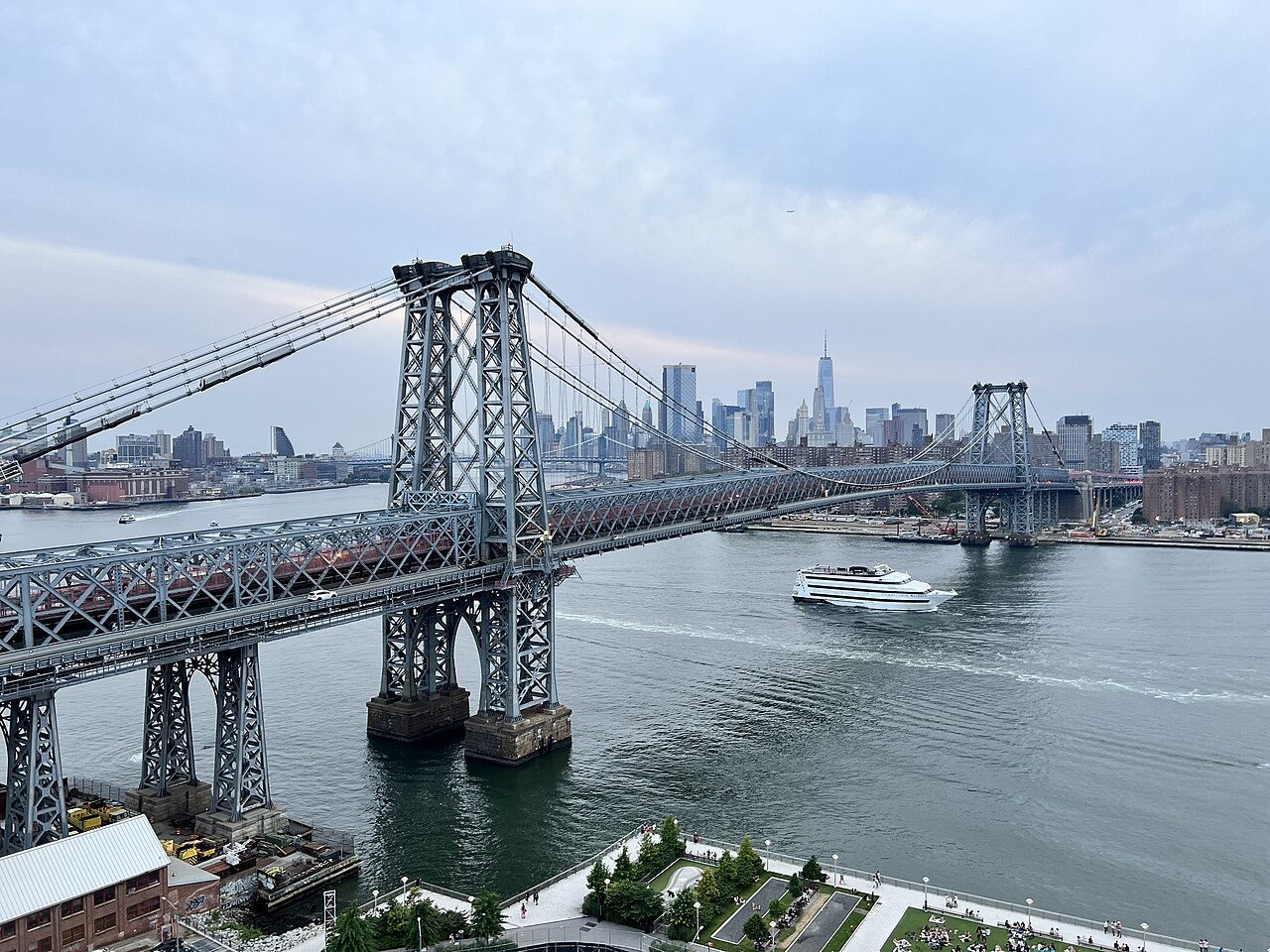
The Williamsburg Bridge Signal Crash
A tired motorman ran a red light on the Williamsburg Bridge at rush hour, and the fix that followed still sets the speed limit under every train you ride today.
Quotes checked against the sources July 16, 2026
The facts
- Date
- June 5, 1995, 6:18 a.m.
- Location
- Williamsburg Bridge, between Brooklyn and Manhattan
- Toll
- 1 killed (motorman Layton Gibson, age 46), 54 passengers injured
- Aftermath
- Maximum speeds on straight track cut systemwide from 55 mph to 40 mph, enforced by new grade-time signals
At 6:18 on the morning of June 5, 1995, a Manhattan-bound J train came off the Brooklyn approach of the Williamsburg Bridge and plowed into the back of a stalled M train. Motorman Layton Gibson, 46 years old and fourteen years on the job, was killed on impact, and 54 riders were hurt. Investigators found Gibson had grown fatigued near the end of an overnight shift and ran a red signal, and that a set of train-stopping rods on the bridge, some parts of the signal system unchanged since 1918, failed to trip his emergency brake. The MTA's answer was blunt: cut top speeds on straight track from 55 miles per hour to 40, and bolt new grade-time signals across the system to enforce it.
In their words
The day in the words of the people who were there. Every quote is verbatim, and every source links out so you can check it.
-
changes made to the signal system (in response to a crash in 1995) have undoubtedly had an impact on subway capacity
Andy Byford, then-president of NYC Transit, in an email to the Village Voice, March 2018
Source: Second Ave. Sagas
Why it still matters
The grade-time signals installed after this crash are the reason your train still creeps through stretches where it once ran fast, and a 2018 review found the 1995 wreck was still slowing the whole system down more than two decades later.
Sources
Get the day it happened, the day it happens.
Every morning brief ends with this day in New York history, and every day adds a page to this almanac. Free, in your inbox.
Free. One email each morning. One-click unsubscribe. Never sold.