On this day in New York · June 12, 1939
Cooperstown Opens the Baseball Hall of Fame
A sleepy dairy town built on a myth about Abner Doubleday got a shrine anyway, and Babe Ruth showed up to bless it while Ty Cobb missed the photo entirely.
Quotes checked against the sources July 15, 2026
The facts
- Date
- June 12, 1939, Cooperstown, New York
- Founder
- Stephen Carlton Clark, heir to the Singer Sewing Machine fortune
- First-class electees (1936)
- Ty Cobb, Babe Ruth, Honus Wagner, Christy Mathewson, Walter Johnson
- Attendance
- About 12,000 people at the noon Main Street ceremony
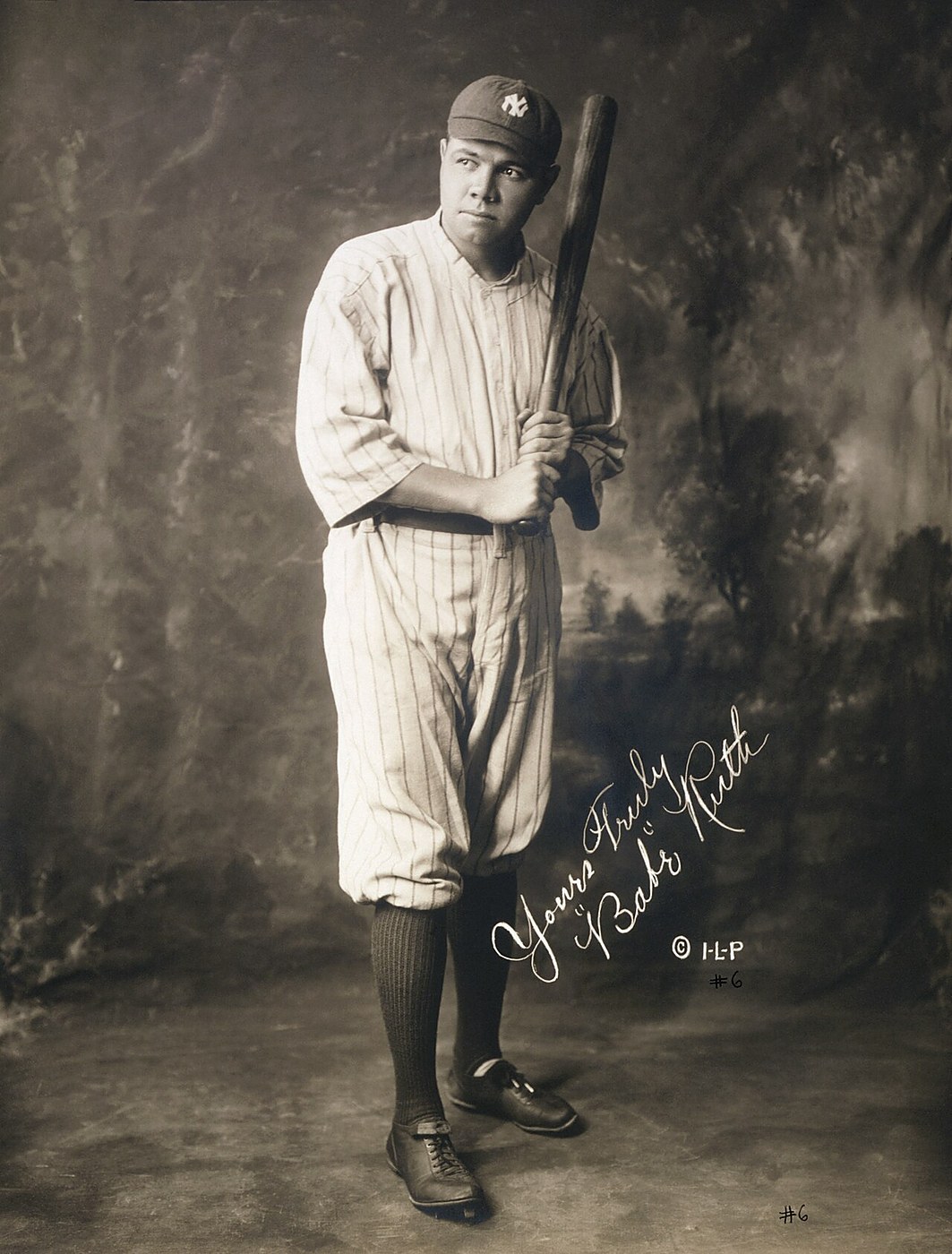
On June 12, 1939, roughly 12,000 fans packed Main Street in Cooperstown for the dedication of the National Baseball Hall of Fame and Museum, the public debut of a building that Singer Sewing Machine heir Stephen Carlton Clark had pushed to construct as a way to pull Depression-battered Cooperstown back onto its feet. Commissioner Kenesaw Mountain Landis opened the ceremony by dedicating the museum to the country's love of the game. Twenty-five men from the first three induction classes, eleven of them still living, were honored with bronze plaques, including Ty Cobb, Babe Ruth, Honus Wagner, Christy Mathewson and Walter Johnson, the five originally elected back in 1936. The whole spectacle rested on a story that was never true: that Civil War general Abner Doubleday invented baseball in a Cooperstown cow pasture in 1839, a claim historians had already debunked but that a village desperate for tourists was happy to keep repeating.
In their words
The day in the words of the people who were there. Every quote is verbatim, and every source links out so you can check it.
-
Since for 100 years this game has lived and thrived and spread all over our country and a large part of the world it is fitting that it should have a museum, a national museum.
Commissioner Kenesaw Mountain Landis, opening remarks at the Hall of Fame dedication, June 12, 1939
Source: Baseball Hall of Fame (baseballhall.org)
Why it still matters
Cooperstown turned a debunked founding myth into the sport's permanent capital, and the trick worked: nearly ninety years later, induction weekend still draws pilgrims to a village of about 1,800 people in the middle of the state, proof that upstate New York can out-muscle Manhattan when it comes to building something that lasts.
Sources
Get the day it happened, the day it happens.
Every morning brief ends with this day in New York history, and every day adds a page to this almanac. Free, in your inbox.
Free. One email each morning. One-click unsubscribe. Never sold.