
On this day in New York · June 30, 1917
Lena Horne Is Born in Bedford-Stuyvesant
A Brooklyn girl grows up to turn down segregated audiences, refuse the maid roles Hollywood kept offering Black actresses, and own one torch song so completely nobody else could touch it.
Quotes checked against the sources July 15, 2026
The facts
- Born
- June 30, 1917, in Bedford-Stuyvesant, Brooklyn
- Parents
- Edwin "Teddy" Horne and Edna Horne
- MGM contract
- Signed with Metro-Goldwyn-Mayer in January 1942
- March on Washington, 1963
- Spoke and performed on behalf of the NAACP, SNCC, and the National Council of Negro Women
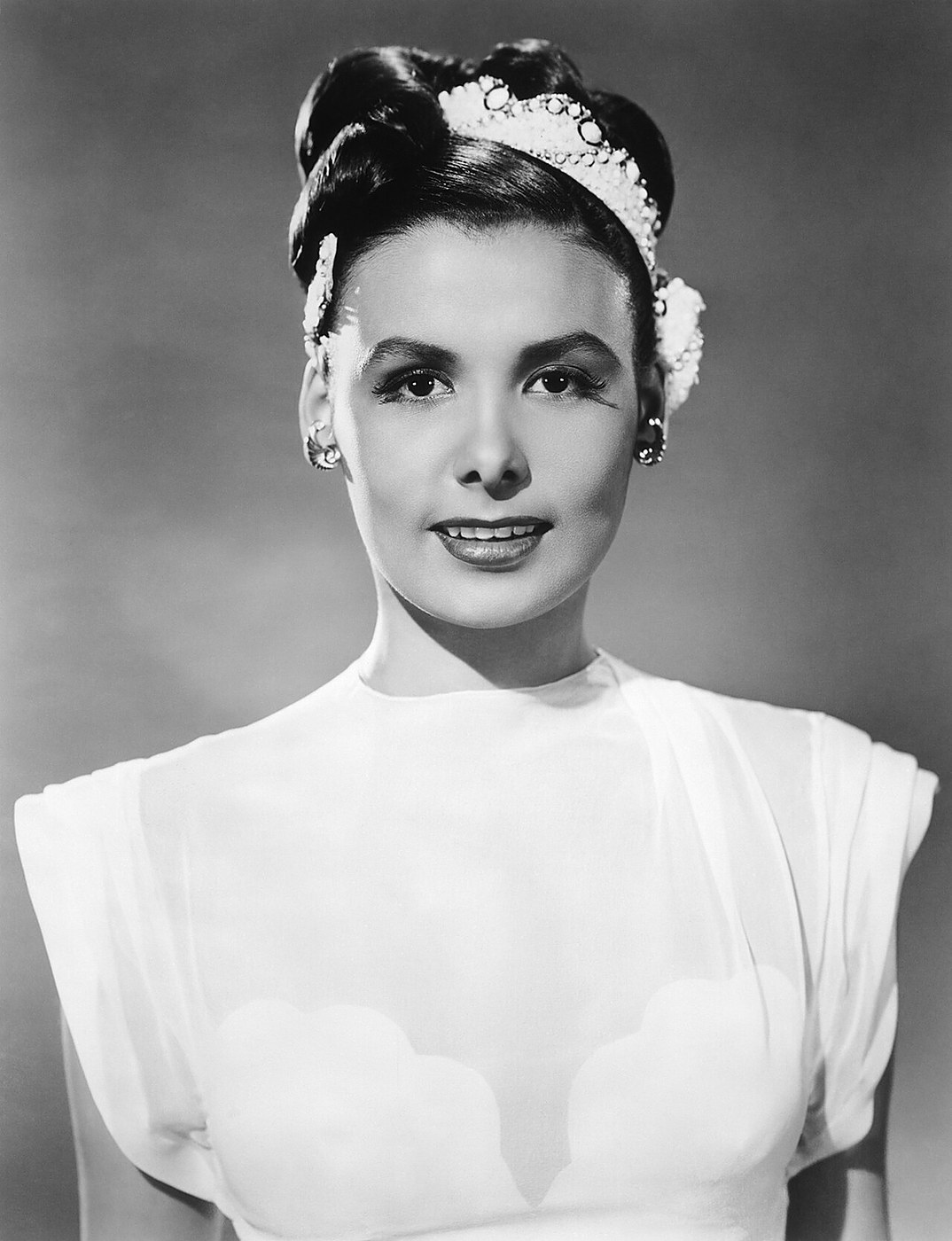
Lena Horne was born June 30, 1917, in Bedford-Stuyvesant, Brooklyn, to Edwin and Edna Horne. Her father Teddy Horne ran a hotel and restaurant, gambled for a living, and left the family when Lena was three, so she grew up shuttled between relatives across the segregated South before coming back to New York to work the chorus line at the Cotton Club as a teenager. Metro-Goldwyn-Mayer signed her in January 1942, a rare deal for a Black performer in that era, and the studio mostly used her to sing a number, then cut the scene for Southern theaters rather than build her a real role. During World War II she toured for the USO and would not perform for German POWs seated ahead of Black soldiers. By 1943 she had the title song in 'Stormy Weather,' and she made it hers for the rest of her life.
In their words
The day in the words of the people who were there. Every quote is verbatim, and every source links out so you can check it.
-
tired of being typecast as a Negro who stands against a pillar singing a song. I did that 20 times too often.
Lena Horne, on the string of nightclub-singer cameos MGM kept handing her instead of real roles
Source: Wikipedia -
for segregated audiences or for groups in which German POWs were seated in front of Black servicemen
From Horne's Kennedy Center biography, describing the USO shows she refused to do during World War II
Source: Wikipedia
Why it still matters
Horne turned down the parts and the audiences Hollywood assumed she'd take, decades before that kind of refusal was safe for a Black star to make, and Brooklyn gets to claim her for it.
Sources
Get the day it happened, the day it happens.
Every morning brief ends with this day in New York history, and every day adds a page to this almanac. Free, in your inbox.
Free. One email each morning. One-click unsubscribe. Never sold.