
On this day in New York · July 5, 1852
Frederick Douglass Asks Rochester What the Fourth of July Means to a Slave
A formerly enslaved man stood up in a packed Rochester hall the day after Independence Day and told the room, politely and devastatingly, that their holiday was not his.
Quotes checked against the sources July 15, 2026
The facts
- Date delivered
- July 5, 1852
- Location
- Corinthian Hall, Rochester, New York
- Host
- Rochester Ladies' Anti-Slavery Society
- Publication
- Sold as a 40-page pamphlet, ten cents a copy
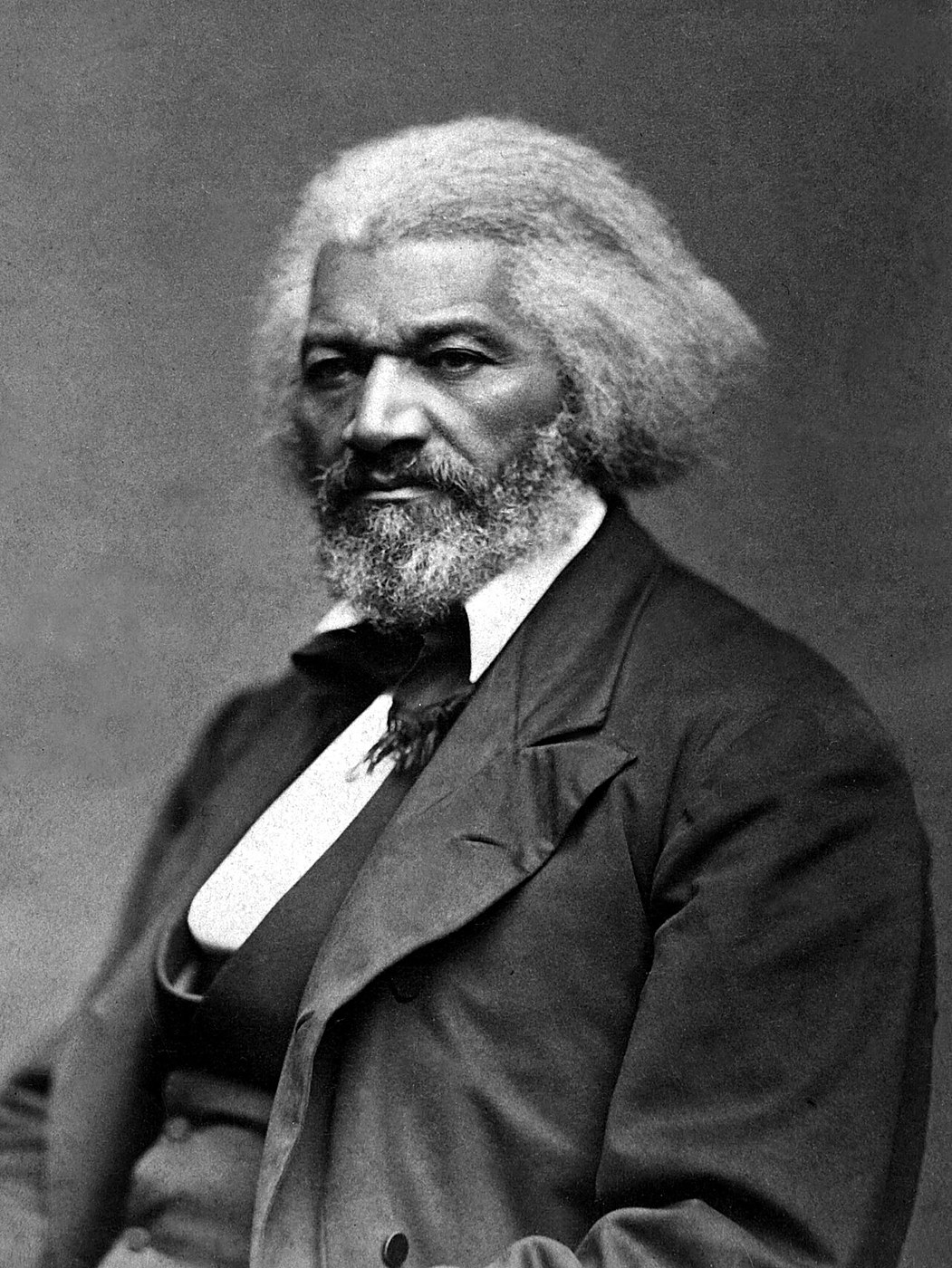
On July 5, 1852, Frederick Douglass addressed the Rochester Ladies' Anti-Slavery Society at Corinthian Hall in Rochester, New York, delivering what became known as "What to the Slave Is the Fourth of July?" Douglass, who had settled in Rochester in 1847 to publish his newspaper The North Star, used the occasion to turn a patriotic celebration into an indictment of a country that praised liberty while holding millions of Black Americans in bondage. He argued the Constitution, read correctly, was an anti-slavery document, a position that put him at odds with abolitionists who wanted no part of the founding charter. The speech was printed as a forty-page pamphlet and sold for ten cents a copy.
In their words
The day in the words of the people who were there. Every quote is verbatim, and every source links out so you can check it.
-
What, to the American slave, is your 4th of July? I answer: a day that reveals to him, more than all other days in the year, the gross injustice and cruelty to which he is the constant victim.
Frederick Douglass, "What to the Slave Is the Fourth of July?," Corinthian Hall, Rochester, July 5, 1852
Source: Wikipedia -
To him, your celebration is a sham; your boasted liberty, an unholy license; your national greatness, swelling vanity; your sounds of rejoicing are empty and heartless; your denunciations of tyrants, brass fronted impudence; your shouts of liberty and equality, hollow mockery; your prayers and hymns, your sermons and thanksgivings, with all your religious parade, and solemnity, are, to him, mere bombast, fraud, deception, impiety, and hypocrisy.
Frederick Douglass, "What to the Slave Is the Fourth of July?," Corinthian Hall, Rochester, July 5, 1852
Source: Wikipedia
Why it still matters
It is still the sharpest thing ever said about the gap between what America celebrates and who gets to celebrate it, and it happened in an upstate New York hall, not a history book. Some scholars tie the July 5th date to New York's own tradition of marking Black emancipation a day after the white man's holiday, which makes this a New York story before it is an American one.
Sources
Get the day it happened, the day it happens.
Every morning brief ends with this day in New York history, and every day adds a page to this almanac. Free, in your inbox.
Free. One email each morning. One-click unsubscribe. Never sold.