
On this day in New York · August 1, 1943
The Harlem Riot of 1943
A false rumor that a Black soldier had been killed by a cop sent Harlem into a night of rage that cost five lives and cracked open everything the city had been ignoring.
Quotes checked against the sources July 15, 2026
The facts
- Date
- August 1 to 2, 1943
- The spark
- Officer James Collins shot and wounded Black U.S. Army soldier Robert Bandy in the lobby of the Braddock Hotel in Harlem
- Toll
- Five people died, about 400 were injured, and roughly 600 were arrested
- Damage
- 1,485 stores were burglarized and 4,495 windows broken, with losses estimated between $250,000 and $5,000,000
On the night of August 1, 1943, a white police officer named James Collins shot and wounded a Black soldier, Robert Bandy, in the lobby of Harlem's Braddock Hotel, after Collins tried to arrest a woman named Marjorie Polite. Word spread fast that a soldier had been shot, and by the time the story reached the crowds already gathering outside the hospital and the local precinct house, many believed Bandy was dead. A bottle thrown from a rooftop around 10:30 p.m. set off a night of looting that tore through white-owned stores while Black-owned businesses were largely spared. Mayor Fiorello La Guardia went on the radio pleading with Harlem to go home, but by the time the night ended five people were dead, about 400 were injured, and roughly 600 New Yorkers had been arrested.
In their words
The day in the words of the people who were there. Every quote is verbatim, and every source links out so you can check it.
-
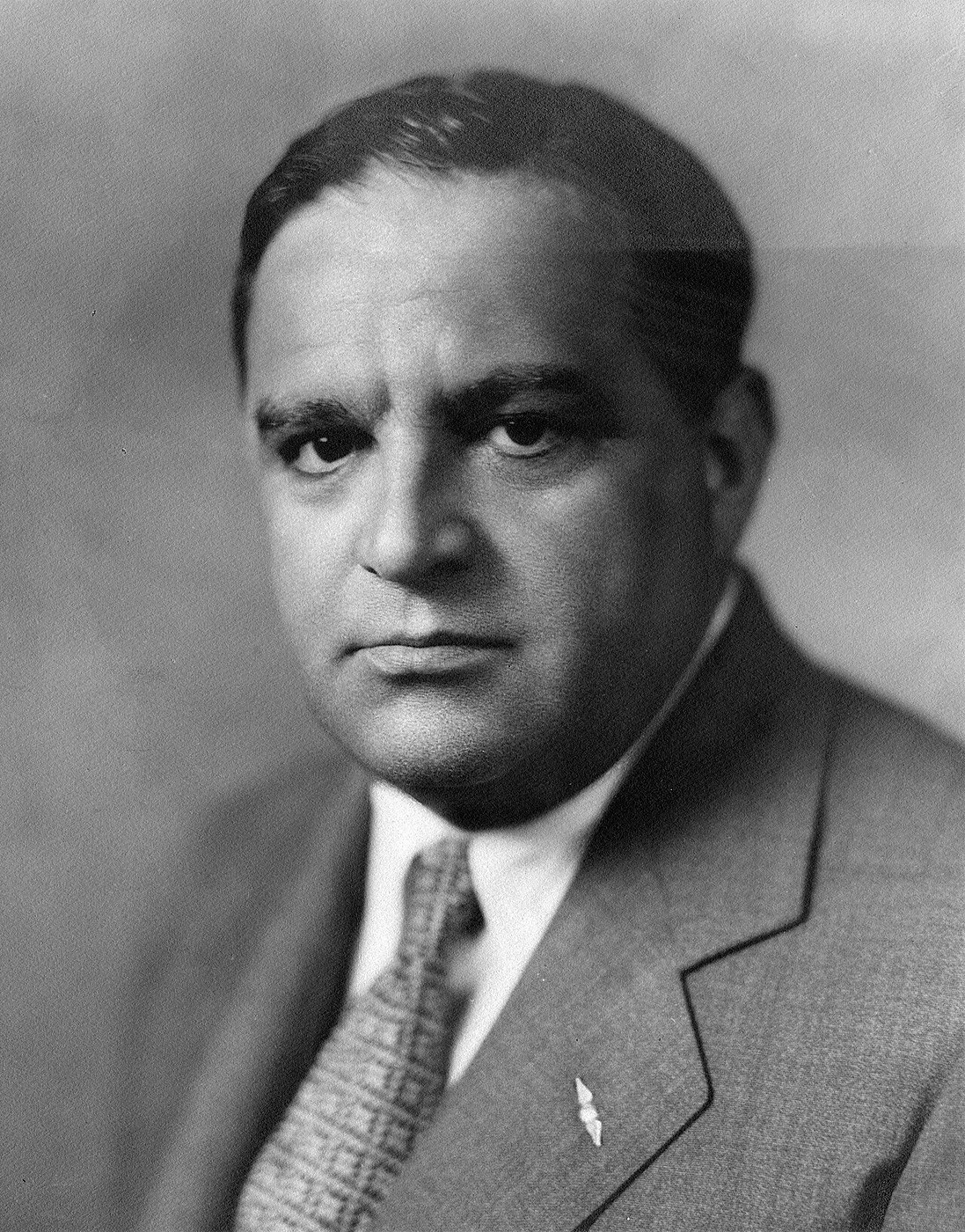
The rumor is false that a Negro soldier was killed at the Braddock Hotel tonight. He is only slightly wounded and is in no danger. Go to your homes!
Mayor Fiorello La Guardia, in a radio appeal to Harlem on the night of August 1, 1943
Source: Wikipedia
Why it still matters
The riot laid bare how little it took for decades of segregated jobs, crowded housing, and heavy-handed policing to boil over, and it pushed City Hall toward changes it had been able to put off. It's also the night James Baldwin buried his father, a collision he turned into one of the defining essays in American letters.
Sources
Get the day it happened, the day it happens.
Every morning brief ends with this day in New York history, and every day adds a page to this almanac. Free, in your inbox.
Free. One email each morning. One-click unsubscribe. Never sold.