
On this day in New York · September 9, 1971
Attica Prison Riot
For four days in September 1971, inmates at a prison in western New York held the state's attention and forced a reckoning with what happens behind those walls.
Quotes checked against the sources July 15, 2026
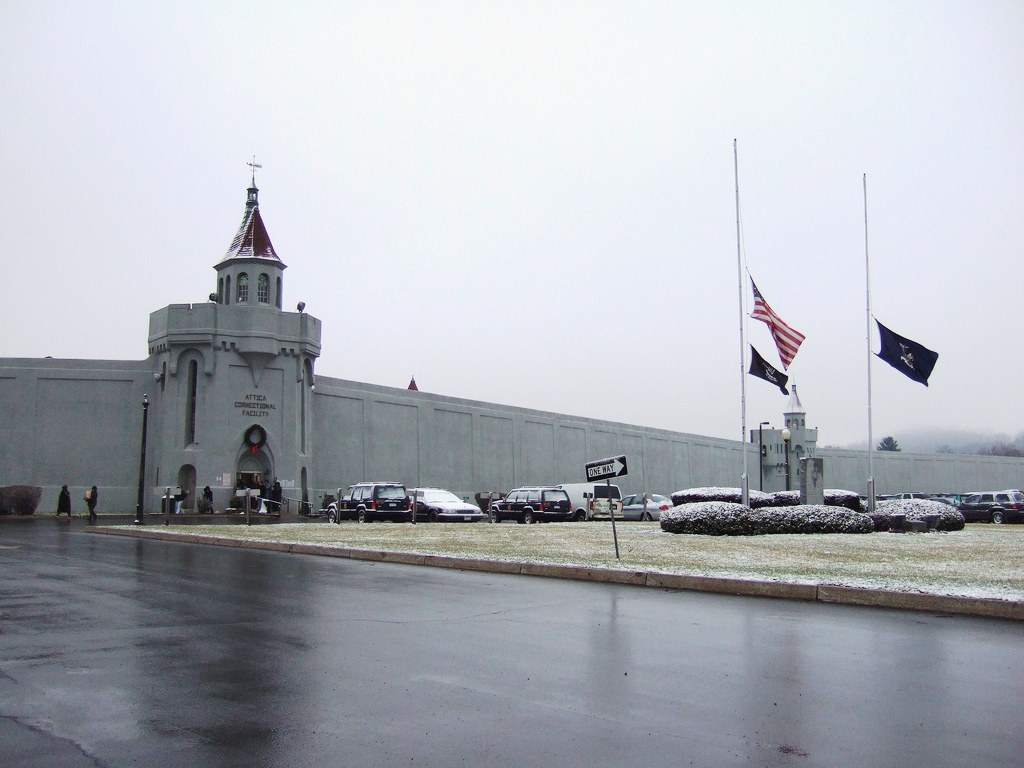
The facts
- Uprising begins
- September 9, 1971, in D Yard at Attica Correctional Facility
- Inmates involved
- 1,281 of about 2,200 men held at Attica
- Hostages taken
- 42 correctional officers and civilian employees
- Retaking
- September 13, 1971; state forces killed 29 inmates and 9 hostages, with a tenth hostage dying later
On September 9, 1971, inmates at Attica Correctional Facility in western New York seized control of the D Yard and took hostages, eventually holding 1,281 of the roughly 2,200 men incarcerated there and 42 correctional officers and civilian employees. They demanded better food, medical care, religious freedom, and an end to abuse, and negotiated for four days with Commissioner Russell Oswald and outside observers including lawyer William Kunstler. On the morning of September 13, Governor Nelson Rockefeller ordered state troopers to retake the prison by force. In minutes of gunfire, law enforcement killed 29 inmates and 9 hostages, with a tenth hostage dying weeks later. State officials first claimed inmates had slit hostages' throats, a lie medical examiners disproved within a day.
In their words
The day in the words of the people who were there. Every quote is verbatim, and every source links out so you can check it.
-
We are men! We are not beasts and we do not intend to be beaten or driven as such.
Elliott "L.D." Barkley, 21-year-old inmate spokesman, addressing the yard during the standoff
Source: Wikipedia -
On a much smaller scale, I think I have some feeling now of how Truman must have felt when he decided to drop the A-bomb.
Commissioner Russell Oswald, after ordering the retaking of the prison
Source: Wikipedia
Why it still matters
Attica remains the deadliest prison uprising in American history and the moment prison conditions became impossible for the country to ignore, pushing reforms in grievance procedures and inmate rights that outlasted the decade even as much of that ground was later clawed back.
Sources
Get the day it happened, the day it happens.
Every morning brief ends with this day in New York history, and every day adds a page to this almanac. Free, in your inbox.
Free. One email each morning. One-click unsubscribe. Never sold.