
On this day in New York · October 26, 1825
The Wedding of the Waters
New York finished a 363-mile ditch through the wilderness, and a New York City banker's dream instantly turned Manhattan into the mouth of a continent.
Quotes checked against the sources July 15, 2026
The facts
- Canal completed
- October 26, 1825
- Length
- 363 miles, from Albany to Buffalo
- Built
- 1817 to 1825, about eight years
- Cost
- $7.143 million
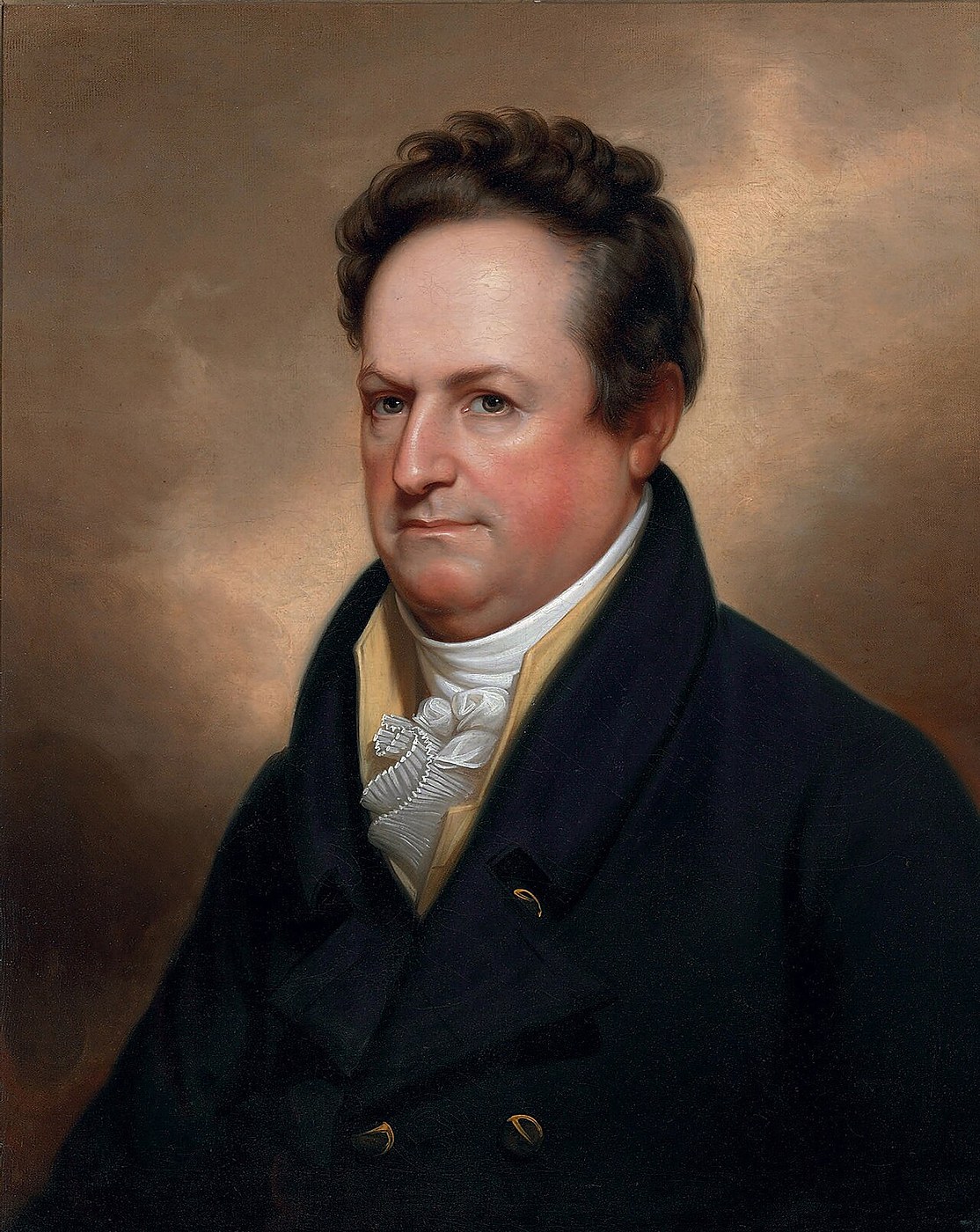
On October 26, 1825, crews finished the Erie Canal, a 363-mile channel linking the Hudson River at Albany to Lake Erie at Buffalo after eight years of digging by hand. Governor DeWitt Clinton, who had staked his career on the project skeptics called Clinton's Ditch, rode the packet boat Seneca Chief the length of the new waterway with a flotilla behind him. When he reached New York Harbor, he poured a keg of Lake Erie water into the Atlantic Ocean in a ceremony people started calling the Wedding of the Waters. A ninety-minute relay of cannon blasts carried word of the canal's completion from Buffalo to Manhattan faster than any rider could have. The state had bet big on a canal, and it paid the debt off within a year.
In their words
The day in the words of the people who were there. Every quote is verbatim, and every source links out so you can check it.
-
This solemnity, at this place, on the first arrival of vessels from Lake Erie, is intended to indicate and commemorate the navigable communication, which has been accomplished between our Mediterranean Seas and the Atlantic Ocean, in about eight years, to the extent of more than four hundred and twenty-five miles, by the wisdom, public spirit, and energy of the State of New York; and may the God of Heavens and Earth smile most propitiously on the work, and render it subservient to the best interests of the human race.
Governor DeWitt Clinton, at the Wedding of the Waters ceremony, October 1825
Source: Reflections on Erie's Waters (Erie Canal Museum) -
The entire canal was officially completed on October 26, 1825.
Wikipedia entry on the Erie Canal
Source: Wikipedia
Why it still matters
The canal slashed the cost of moving goods between the Midwest and the coast and made New York City the country's dominant port almost overnight, a lead the city never really gave up.
Sources
Get the day it happened, the day it happens.
Every morning brief ends with this day in New York history, and every day adds a page to this almanac. Free, in your inbox.
Free. One email each morning. One-click unsubscribe. Never sold.