
On this day in New York · December 3, 1947
Brando's Streetcar Rewrites Broadway Acting
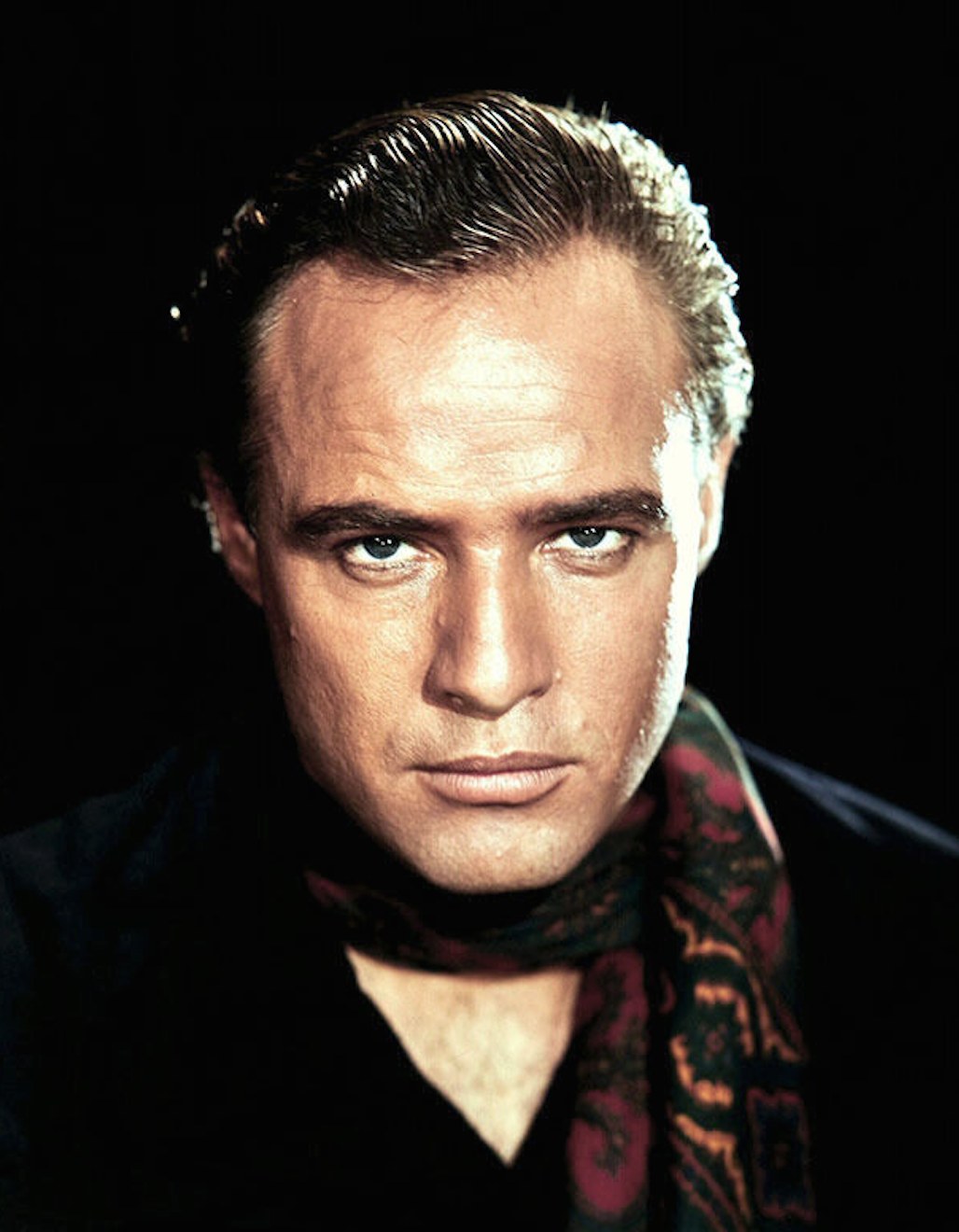
A 23-year-old unknown named Marlon Brando pulled on a torn T-shirt at the Ethel Barrymore Theatre and gave Broadway a new way to act.
Quotes checked against the sources July 15, 2026
The facts
- Opening night
- December 3, 1947
- Venue
- Ethel Barrymore Theatre, 243 West 47th Street
- Brando's age
- 23
- Broadway run
- 855 performances, closing in 1949
On December 3, 1947, Tennessee Williams's A Streetcar Named Desire opened at the Ethel Barrymore Theatre at 243 West 47th Street, directed by Elia Kazan and produced by Irene Mayer Selznick. Jessica Tandy played Blanche DuBois, the fading Southern belle who moves in on her sister's cramped New Orleans marriage, and 23-year-old Marlon Brando played her brother-in-law Stanley Kowalski, a role that made him a star overnight. The play was a hit from its first night, standing-room applause and all, and it went on to win the Pulitzer Prize for Drama and the New York Drama Critics' Circle Award. What audiences didn't fully grasp yet, watching Brando mumble and rage his way through Stanley, was that they were seeing the birth of a whole new, rawer style of American acting.
In their words
The day in the words of the people who were there. Every quote is verbatim, and every source links out so you can check it.
-
In those days, people stood only for the national anthem. That night was the first time I ever saw an audience get to its feet.
Irene Mayer Selznick, the play's producer, describing the December 3, 1947 opening night
Source: The Sheila Variations -
Tennessee Williams has brought us a superb drama, 'A Streetcar Named Desire,' which was acted at the Ethel Barrymore last evening.
Brooks Atkinson, The New York Times, reviewing the opening night performance
Source: The Sheila Variations
Why it still matters
Brando's Stanley Kowalski cracked open the polished, elocuted style that had ruled American stages and pointed acting toward the raw, internal Method that would define film and theater for the rest of the century.
Sources
Get the day it happened, the day it happens.
Every morning brief ends with this day in New York history, and every day adds a page to this almanac. Free, in your inbox.
Free. One email each morning. One-click unsubscribe. Never sold.