
On this day in New York · February 25, 1644
New Amsterdam Grants 'Half-Freedom'
Eleven Black men who had served the Dutch West India Company for nearly two decades won their freedom on paper, then found out how many strings the company had tied to it.
Quotes checked against the sources July 16, 2026
The facts
- Date
- February 25, 1644
- Freed
- 11 enslaved men and their wives, after 18 to 19 years of company service
- Annual dues owed
- 30 skepels of maize, wheat, peas or beans, and one fat hog
- The catch
- Their children, including those not yet born, remained enslaved
On February 25, 1644, the council of New Netherland, led by director general Willem Kieft, ruled on a petition from eleven enslaved men held by the Dutch West India Company: Paulo Angola, Groot Manuel, Cleijn Manuel, Manuel Gerrit de Reus, Sijmon Congo, Antonij Portugies, Gracia, Piter Santomee, Jan Francisco, Cleijn Antonij, and Jan Fort Orange. They argued they had served the company 18 or 19 years and had long been promised their liberty. The council agreed to free them and their wives, granting them farmland north of the settlement's wall so they could support themselves, but tied that freedom to an annual tribute in crops and livestock and left every one of their children, born or unborn, enslaved. It was one of the first mass manumissions in what became New York, and it was also a lesson in exactly how conditional Dutch colonial mercy could be.
In their words
The day in the words of the people who were there. Every quote is verbatim, and every source links out so you can check it.
-
free and at liberty on the same footing as other free people here in New Netherland
the council of New Netherland's ruling on the petition, February 25, 1644
Source: New Netherland Institute -
their children, including those who were not yet born, would remain enslaved
New Netherland Institute's account of the conditions attached to the 1644 grant
Source: New Netherland Institute
Why it still matters
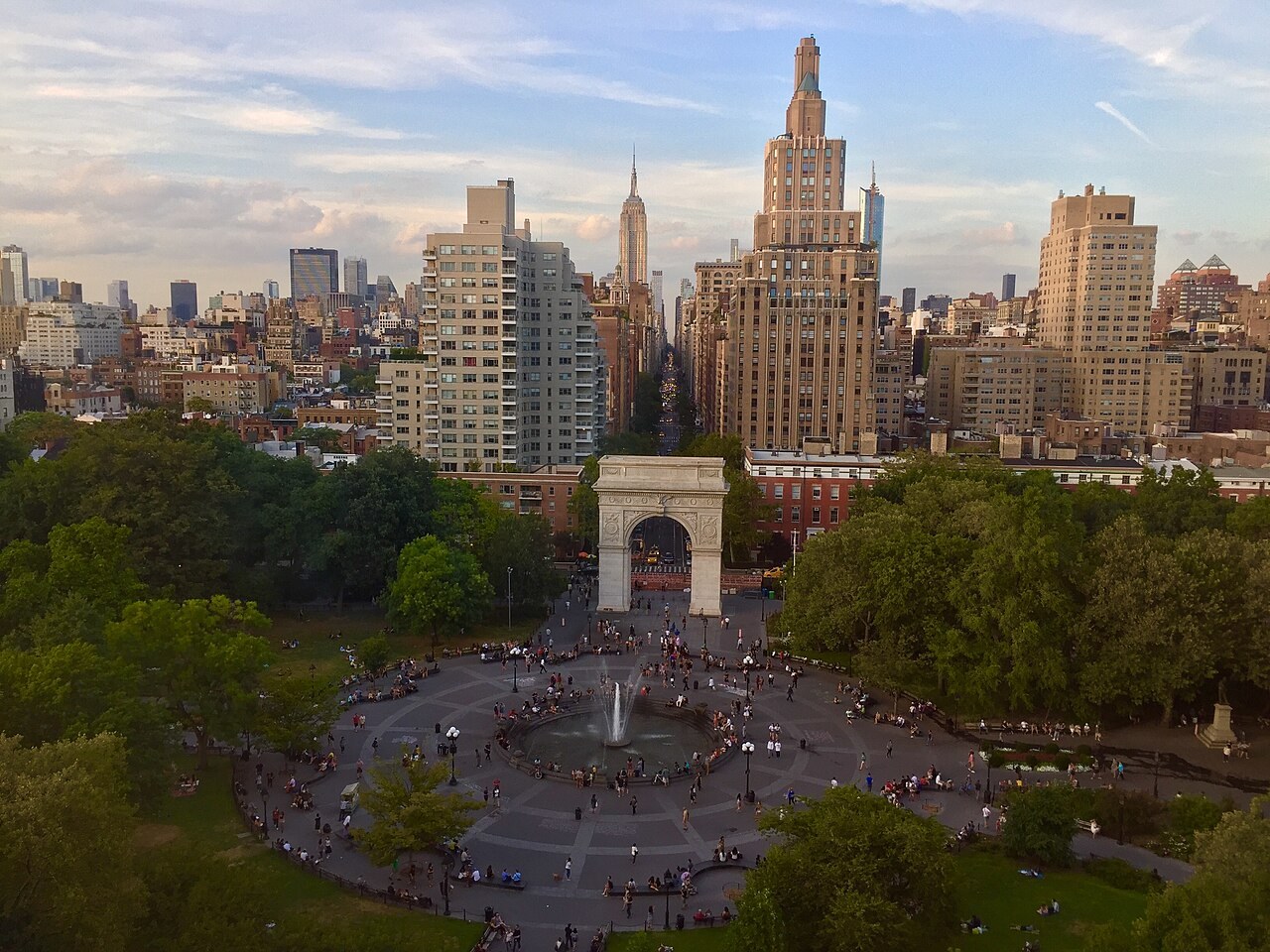
It shows slavery's machinery adapting itself the moment it was challenged, freeing the parents while locking in the next generation, and it seeded the free Black settlement north of the wall whose farmland later became part of Greenwich Village, including what is now Washington Square Park.
Sources
Get the day it happened, the day it happens.
Every morning brief ends with this day in New York history, and every day adds a page to this almanac. Free, in your inbox.
Free. One email each morning. One-click unsubscribe. Never sold.